globally distributed workforce के लिए virtual team building चलाने में एक ऐसी गलती होती है जिसे शायद ही कभी सीधे नाम दिया जाता है: समस्या उस game में नहीं है जो आपने चुना। समस्या उस format के फैसले में है जो game से पहले होता है — और ज़्यादातर कंपनियाँ इसे पूरी तरह नज़रअंदाज़ कर देती हैं।
50+ देशों में पाँच साल के distributed-team programs के अनुभव के साथ, हमने 300+ कंपनियों के लिए 1,500 से अधिक virtual team events डिज़ाइन और चलाए हैं। 15 लोगों के startups से लेकर Coca-Cola HBC जैसे 6,000 कर्मचारियों वाले enterprises तक — निराश होकर लौटने वाली टीम्स इसलिए निराश नहीं थीं क्योंकि puzzles खराब थे। वे इसलिए निराश थीं क्योंकि उन्होंने एक synchronous live event को ऐसी टीम पर थोपा जिसके time zones में कोई साझा window लगभग असंभव थी, या फिर उन्होंने पाँच दिन का async Marathon उस group के लिए चलाया जिसे real-time shared moment की ऊर्जा की सख्त ज़रूरत थी। गलत format एक तकनीकी रूप से सक्षम event देता है जो फिर भी काम नहीं करता।
format का फैसला पहले आता है। game बाद में।
कई time zones में फैली ग्लोबल टीम के लिए virtual team building games कैसे चलाएं?
जब Big Game ग्लोबल टीम्स के लिए सही विकल्प हो
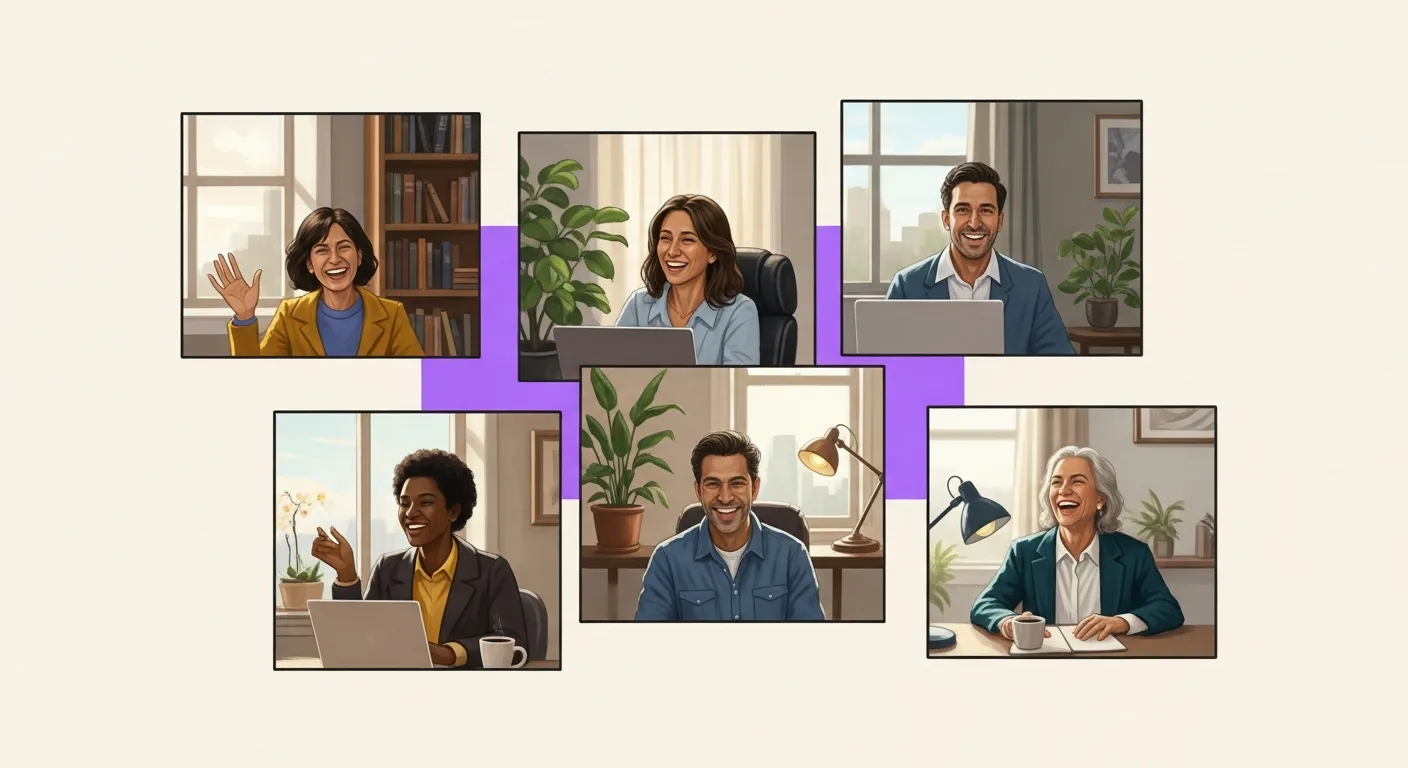
Big Game format (एक ही live 60-90 मिनट का event, game host के नेतृत्व में, सभी एक साथ video call पर) ग्लोबल टीम्स के लिए तब काम करता है जब time zone का फर्क संभालने लायक हो। व्यवहार में, "संभालने लायक" का मतलब है कि आप ऐसी window ढूंढ सकते हैं जहाँ कोई भी स्थानीय समय से पहले 7 बजे या 9 बजे के बाद join न करे। यह लगभग 6 घंटे का spread है।
US East Coast और Western Europe में फैली टीम्स आराम से इस range में आ जाती हैं। US + LATAM वाली टीम्स को लगभग हमेशा 3pm EST की window मिल जाती है जो बिना किसी शिकायत के काम करती है। गणित तब बिगड़ती है जब Asia-Pacific को उस mix में शामिल किया जाए जिसमें पहले से San Francisco और Berlin हों। उस point पर, कोई 6am की call ले रहा है या कोई recording देख रहा है — और बाद वाला functionally event न करने के बराबर ही है।
जब time zone spread काम करे, तो Big Game shared energy के लिए निर्विवाद रूप से बेहतर format है। live leaderboard को update होते देखना जबकि आपकी टीम breakout में puzzle का जवाब सोच रही हो; वह तनाव जब जिस टीम से आप पीछे हैं वह कुछ ऐसा submit कर दे जो आपने अभी solve नहीं किया; आपकी टीम के Stage 3 को आठ मिनट बचे crack करने पर Slack में धमाका — इनमें से कोई भी async में translate नहीं होता। यह Marathon की कमज़ोरी नहीं है; यह बस एक अलग दर्शक के लिए एक अलग product है।
हमारे अनुभव में, Last Temple Mystery ग्लोबल technical टीम्स के साथ Big Game के लिए विशेष रूप से उपयुक्त है। चार-मंज़िला Mayan temple arc 75 मिनट की window में shared momentum बनाता है, और mythology-based puzzles किसी साझा cultural reference की ज़रूरत के बिना काम करते हैं। Mission 8-Bit engineering-heavy organizations के quarterly kickoff के लिए खास तौर पर अच्छा काम करता है; तीन-act structure (दफ्तर से भागो → rebuild करो → patch ship करो) उसी तरह map होती है जैसे technical टीम्स project phases के बारे में सोचती हैं। दोनों browser-based हैं, कोई install नहीं, और हमने इन्हें Marathon variant में 12+ time zones में ग्लोबल configurations में उन टीम्स के लिए चलाया है जिन्हें async option चाहिए था।
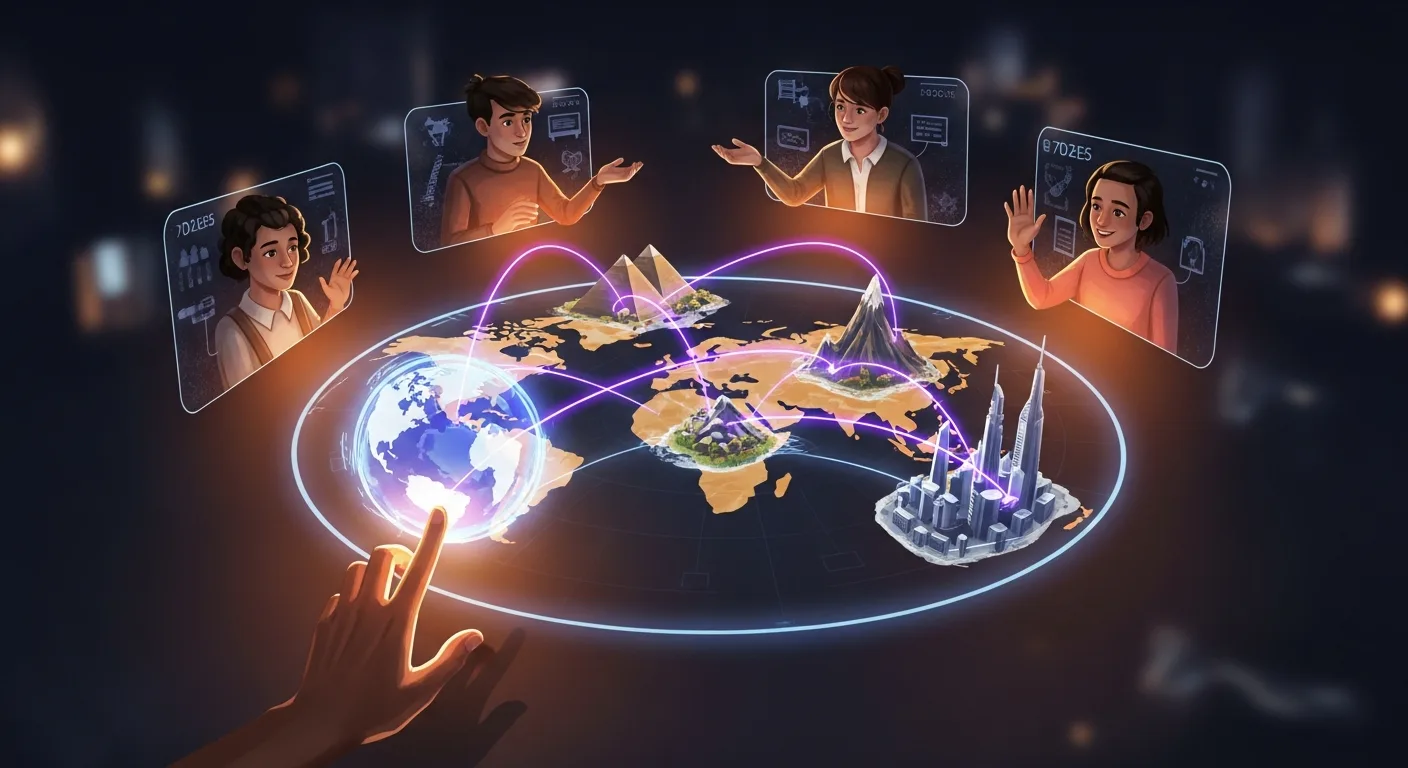
पर्याप्त headcount वाली कंपनियों के लिए, Big Game parallel time windows को भी support करता है। एक single all-hands session की बजाय, EMEA टीम 4pm CET पर खेलती है जबकि Americas टीम 3pm EST पर: एक ही game, अलग scores, अगली सुबह Slack पर combined leaderboard। हमने यह configuration London, Warsaw, और New York में टीम्स वाले एक financial services client के लिए Wintervald Hotel Mystery का उपयोग करते हुए चलाई। Agatha-Christie-style whodunit format ने दोनों groups को दफ्तरों में दिनों तक debate करने का विषय दिया। #general में deduction strategies की तुलना करने वाला post-event thread गुरुवार तक चलता रहा।
एक operational note: parallel windows को live events में काम करने वाला intra-group leaderboard tension बनाने के लिए प्रति window minimum 50-60 players चाहिए। उससे कम पर, competitive stakes कमज़ोर लगती हैं। अगर आपकी ग्लोबल टीम 8 time zones में बंटे 80 लोगों की है, तो Marathon शायद बेहतर विकल्प है।
जब टीम live window के लिए बहुत अधिक distributed हो
8+ time zones में फैली टीम्स के लिए (या उन कंपनियों के लिए जिन्होंने mandatory 6am call approach आज़माई और मापा कि यह post-event NPS के साथ क्या करती है), जवाब Marathon format है।
Marathon 1-5 दिनों में चलता है। game content के daily episodes हर सुबह unlock होते हैं; players अपने schedule पर, अकेले या छोटे pods में, HeySparko browser app के ज़रिए अगली episode release से पहले जवाब submit करते हैं। leaderboard पूरे समय live रहता है। कोई host नहीं, कोई shared calendar block नहीं, कोई भी 5:45am पर अंधेरे घर के दफ्तर से call नहीं लेता क्योंकि calendar invite ने "optional but important" लिखा था।
async design किसी live event का compromise version नहीं है। यह उन टीम्स के लिए specially बनाया गया product है जहाँ synchronous engagement, connection की बजाय नाराज़गी पैदा करती है। हम जो completion rates देखते हैं (65-78% enrolled players सभी episodes पूरी करते हैं) वे truly ग्लोबल टीम्स के लिए forced-synchronous events से बेहतर हैं। और 35% "lurker lift" real है: हम यह event के बाद event में देखते हैं, जहाँ ऐसे team members जो कभी live events में नहीं आते, Marathon में भाग लेते हैं क्योंकि format उनके schedule का सम्मान करता है बजाय उसे override करने के।
leaderboard प्राथमिक engagement mechanism है। लोग Day 2 के लिए वापस आते हैं इसलिए नहीं कि कोई उनकी participation monitor कर रहा है, बल्कि इसलिए कि वे जानना चाहते हैं कि उनका pod Singapore office वाले से आगे निकला या नहीं। एक hospitality company जिसके साथ हमने काम किया, उसने 11 देशों में फैले team members के साथ अपने annual culture week के लिए पाँच दिन का Marathon चलाया। Day 1 launch के बाद एक भी reminder message के बिना completion rate 71% रहा। leaderboard ने यह खिंचाव खुद संभाला।
Marathon configuration में globally distributed टीम्स के लिए विशेष रूप से अच्छा काम करने वाले games: Under the Big Top, जहाँ vintage circus mystery की multi-day investigation rhythm लगभग architecturally time zones में async deduction के लिए उपयुक्त है; Last Temple Mystery, जहाँ चार-मंज़िला temple structure natural daily episode breaks बनाती है; Adventure Through the Ages, जहाँ कई historical eras में time-travel arc exploratory टीम्स को बिना urgency-driven coordination के genuine narrative variety देता है जो कुछ अन्य adventures demand करते हैं; और Apocalypse high-energy Q4 cultures के लिए जहाँ time-pressure framing दिनों तक sustain होती है बजाय एक session में compress होने के।
People Ops टीम के लिए operational overhead का कम होना भी meaningful है। हमने 800+ person ग्लोबल टीम्स के लिए तीन दिन के Marathon events चलाए हैं जहाँ organizer की तरफ से एकमात्र calendar commitment हमारे साथ 45 मिनट की setup call थी। Content drops, leaderboard, analytics, और post-event report सभी बिना किसी live event staff किए चलते हैं। People Ops lead participant के रूप में खेलते हैं, जो आमतौर पर तब समझ में आता है कि event अंदर से कैसा लगता है।
ऐसे games चुनें जो संस्कृतियों और भाषाओं के पार टिके रहें
format का फैसला पहले है। game का चुनाव दूसरा है, और ग्लोबल टीम्स के लिए इसके लिए एक single-region event से अलग filter चाहिए।
50+ देशों में games चलाने से सीखे तीन सिद्धांत:
Logic और observation puzzles, cultural knowledge से बेहतर travel करते हैं। deduction, pattern recognition, coordination, और environmental detail पर बने games shared reference points पर निर्भर नहीं होते। Seoul का एक team member और São Paulo का एक team member एक ही logic puzzle solve करते हैं बिना किसी को एक-दूसरे के cultural landscape की जानकारी की ज़रूरत के। यही कारण है कि narrative adventure games internationally distributed टीम्स के लिए उस तरह काम करते हैं जो trivia-format events अक्सर नहीं करते। mechanics culturally neutral होती है भले ही aesthetic stylized हो।
Last Temple Mystery की Mayan mythology game unfold होने के साथ अपना symbolic logic खुद सिखाती है। puzzles solve करने के लिए किसी को भी Mesoamerican archaeology की background की ज़रूरत नहीं। Mission 8-Bit की retro gaming aesthetic generations और geographies में recognizable है; 1980s arcade vocabulary इस point पर एक universal language के करीब काम करती है। Wintervald Hotel Mystery की Agatha-Christie detective framing की European, American, और Asian popular culture में एक साथ गहरी जड़ें हैं, यही कारण है कि यह हमारे सबसे reliably low-friction ग्लोबल games में से एक है।
टीम की culture के अनुसार energy match करें, अपनी instinct के अनुसार नहीं कि क्या fun है। Apocalypse की post-apocalyptic urgency engineering और startup cultures के लिए अच्छी तरह काम करती है जो time pressure में आगे बढ़ती हैं। एक ग्लोबल banking टीम के EMEA leadership function या एक healthcare organization की cross-regional People टीम के लिए, Wintervald Hotel Mystery या Under the Big Top कम cultural friction के साथ काम करेंगी। एक reserved ग्लोबल audience के लिए tone गलत करना सिर्फ एक mediocre event नहीं देता। यह एक ऐसा event देता है जहाँ Munich office में कोई चुपचाप disengage हो जाता है और feedback तीन हफ्ते बाद engagement survey में सामने आता है।
ग्लोबल टीम्स के लिए December का फैसला विशेष ध्यान माँगता है। Stolen Hours, postapocalyptic, cyberpunk, steampunk, और biopunk दुनियाओं से गुज़रते हुए Santa की stolen clock hands वापस लाने की genre-bending chase, हमारा सबसे कम culturally anchored December option है, जो इसे सबसे ज़्यादा globally inclusive बनाता है। premise किसी एक holiday tradition को center नहीं करता; यह pure imaginative fiction है जो Singapore, Warsaw, और Chicago की टीम्स के लिए समान रूप से काम करता है। साल के अंत के event के लिए जहाँ टीम 12+ देशों में फैली हो और आप कुछ ऐसा चाहते हों जो किसी एक cultural tradition को दूसरे पर inadvertently center न करे, Stolen Hours और Wintervald Hotel Mystery stable choices हैं।
game interface 13 locales में उपलब्ध है (English, Spanish, German, French, Italian, Portuguese, Dutch, Polish, Hindi, Simplified Chinese, Traditional Chinese, Japanese, और Korean सहित), इसलिए players अपनी पसंदीदा भाषा में engage कर सकते हैं। ऐसी ग्लोबल टीम्स के लिए जहाँ working language English है लेकिन participants का एक meaningful हिस्सा अपनी native language में पढ़ने में अधिक comfortable है, multilingual interface support एक ऐसे friction point को हटाती है जिसे organizer की तरफ से कम आँकना आसान है।
ग्लोबल event को vendor event नहीं, अपना event बनाएं
Default HeySparko game काम करता है। 10 देशों में फैले 400 लोगों की टीम हमारे catalog में किसी भी game के stock version के साथ genuine experience लेगी: puzzle mechanics वही हैं, Big Game में host की energy वही है, leaderboard identically काम करता है।
customization event को "People Ops ने जो organize किया" से "हमारा event" में बदल देता है। ग्लोबल टीम्स के लिए, यह अंतर 50-person office की तुलना में ज़्यादा मायने रखता है, क्योंकि जब team members distributed हों और उनके बीच connections कमज़ोर हों, तो एक ऐसा game होना जहाँ NPC characters आपकी कंपनी की internal language को reference करें, जहाँ leaderboard आपकी company की brand identity ले जाए, या जहाँ plot explicitly आपके organization की story के बारे में हो — यह shared experience की texture बदल देता है। यह किराए की जगह और अपनी जगह के बीच का फर्क है।
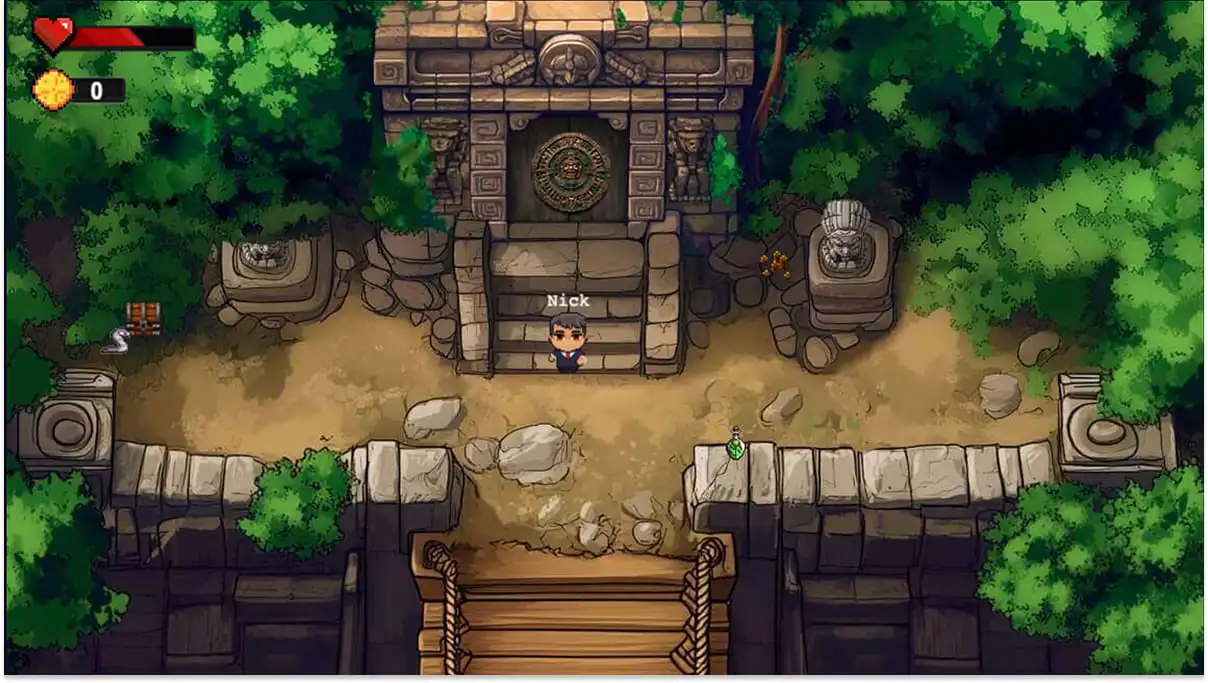
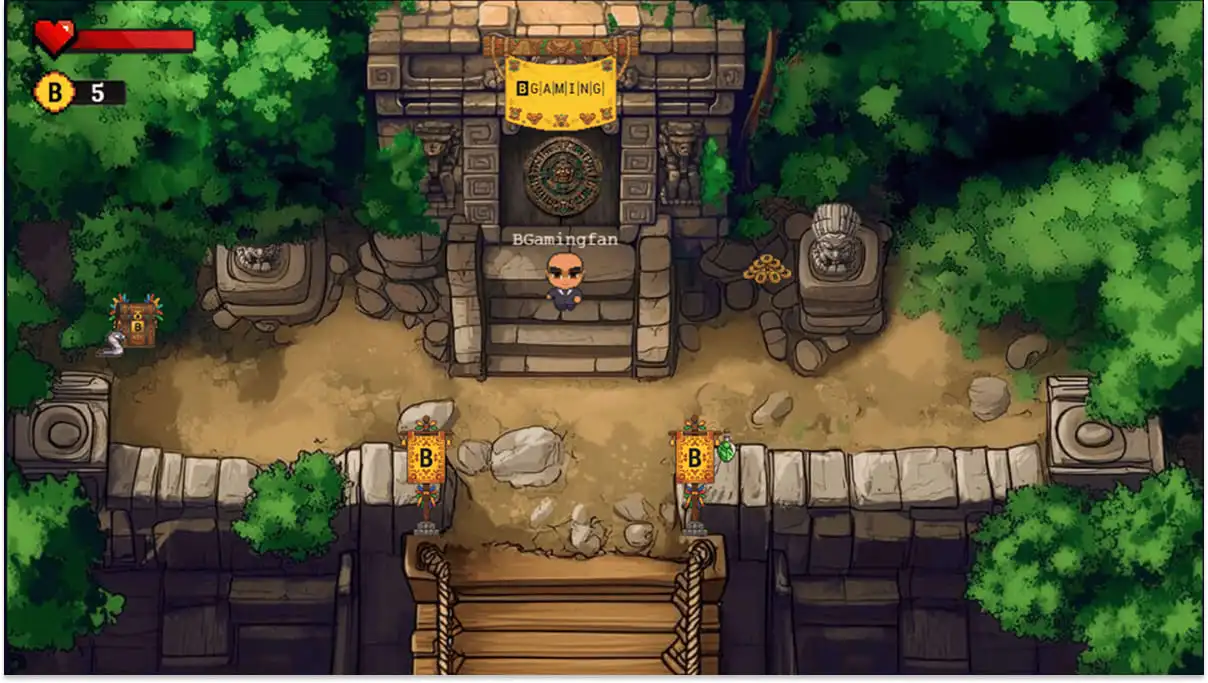
तीन customization tiers (NPC, Logo, और Story) ग्लोबल scale पर एक single-region event की तुलना में अलग तरह से काम करती हैं। NPC tier game characters को ऐसे inside references carry करने देती है जिन्हें Warsaw की आपकी engineering टीम और Seoul की आपकी product टीम दोनों recognize करेंगी, क्योंकि दोनों टीम्स एक ही company culture में रहती हैं। Logo tier का मतलब है कि आपकी टीम event के बाद Slack में जो assets share करती है वे आपका brand carry करती हैं, vendor का नहीं। और Story tier एक generic adventure को आपके specific moment की narrative में transform कर देती है: एक नए market में expansion, एक product milestone जिसने साल को define किया, एक company anniversary जो एक ऐसे chapter को mark करती है जो global टीम ने साथ जिया।
अपनी team के लिए customize करें
TYPE 1
आपकी team in-game characters के रूप में
असली team members, mascots, या आपके games के characters NPCs के रूप में।
TYPE 2
आपकी brand natively integrated
Logo और brand elements game environments के लिए native — locations, items, UI।
TYPE 3
आपकी story game में बुनी गई
Company milestones, products, और internal references puzzles, dialogues, और tasks में बुनी गईं।
BGaming, 12+ देशों में distributed एक iGaming company, ने अपनी multi-year company anniversary को एक fully customized event के रूप में चलाया: NPC tier जिसमें real team members historical figures के रूप में दिखे, Logo tier जिसने उनका brand palette पूरे event में integrate किया, Story tier जिसने game के चार historical eras को BGaming के अपने company chapters से जोड़ा। उस टीम पर participation 89% था जहाँ पिछली anniversaries Zoom-presentation formula पर default हो गई थीं। जो behavior उसके बाद आया (engineering team members ऐसी cross-org conversations शुरू कर रहे थे जो वे normally नहीं करते) हफ्तों तक बना रहा। वह outcome game नहीं था; यह वह था जो game ने एक distributed टीम के social fabric के साथ किया जिसके पास पहली बार महीनों में एक shared reference point था।
distributed team engagement पर data क्या कहता है

distributed team engagement पर research सभी sources में consistent है, भले ही यह एक ही समस्या को अलग-अलग angles से describe कर रही हो।
Microsoft का 2025 Work Trend Index report "Breaking Down the Infinite Workday" — 31,000 knowledge workers के survey और Microsoft 365 telemetry पर based — ने पाया कि 30% meetings अब multiple time zones में फैली हैं, 2021 से 8-point absolute वृद्धि। वह single number ग्लोबल distributed organizations चला रहे People Ops टीम्स के लिए engagement problem को reframe करती है: काम का एक meaningful और growing हिस्सा अब cross-timezone है, जिसका मतलब है कि engagement event के लिए आप जो format चुनते हैं वह अब logistics footnote नहीं बल्कि इस बात का direct reflection है कि टीम पहले से कैसे काम करती है। ऐसी ग्लोबल टीम्स के लिए जिनका default working pattern पहले से async-by-necessity है, Marathon format की post-event analytics report — टीम और manager के हिसाब से broken down — People Ops को कुछ ऐसा देती है जो one-shot Big Game summary शायद ही देती है: वह data जिस पर manager event के बाद, अपने time zone में, जब उनकी टीम का working day actually शुरू होता है, act कर सकते हैं।
Microsoft का 2024 Work Trend Index, जिसने 31 देशों में 31,000+ workers का survey किया, ने पाया कि 57% distributed workers, live options की तुलना में asynchronous engagement options prefer करेंगे। उस finding का एक practical implication है जिसे miss करना आसान है: अगर आप global employees को choice दें, तो उनमें से ज़्यादातर ऐसे formats opt करेंगे जो उनके timezone का सम्मान करें बजाय उसे rearrange करने की ज़रूरत के। हमारा अपना Marathon data — opt-in events के लिए 65-78% completion rates — दिखाता है कि क्या होता है जब आप उस preference के लिए design करते हैं न कि उसके खिलाफ। लोग उन rates पर voluntarily आते हैं जो mandatory live events शायद ही हासिल करते हैं।
Deloitte की 2023 Human Capital Trends report ने पाया कि 46% employees pandemic से पहले की तुलना में अपने colleagues से कम जुड़े हुए महसूस करते थे। ग्लोबल टीम्स के लिए, वह disconnection attitudinal की बजाय structural है: hallway conversations के बिना, shared lunches के बिना, physical proximity के ambient social contact के बिना, distributed team members के बीच connections उस वक्त तक decay होती हैं जब तक कि कुछ actively उन्हें maintain न करे। एक structured engagement event इसे सब solve नहीं करता, लेकिन यह एक shared reference point बनाता है — "वह हफ्ता जब हमने investigation game किया" — जो distributed टीम्स otherwise organically accumulate नहीं करतीं।
academic literature भी इसी दिशा में pointing करती है। Anog et al. का 2023 systematic review, SSRN के ज़रिए published team-building interventions पर 60+ studies का, ने पाया कि structured team-building activities consistently satisfaction बढ़ाती हैं और turnover कम करती हैं, effects तब amplified होते हैं जब इन्हें standalone events की बजाय broader development strategy में integrate किया जाए। वह "broader strategy" framing, recurring Marathon events को annual one-offs पर prefer करने का सबसे मज़बूत argument है। engagement signal quarterly cadence में उन तरीकों से accumulate होता है जो एक December event produce नहीं करता।
वे HeySparko numbers जो इस picture को amplify करते हैं: 2020 से facilitate किए गए 1,500+ virtual events में, quarterly cadence पर चलने वाले Marathon events consistently हर successive event से पहले higher participation anticipation दिखाते हैं। जो टीम्स पहले खेल चुकी हैं वे format जानती हैं, leaderboard mechanic जानती हैं, और launch से हफ्तों पहले pod composition के बारे में strategize करने लगती हैं। cold-start friction दूसरे event तक गायब हो जाती है। यही compounding effect है जो Anog et al. का systematic review describe कर रहा है — engagement programs जो एक rhythm में integrate होते हैं, एक surprise की तरह land होने की बजाय, one-time interventions की तुलना में substantially different outcomes produce करते हैं।
एक financial argument भी है, अगर leadership को इसकी ज़रूरत हो। SHRM की 2024 cost-per-hire research एक non-executive departure की cost, recruiting और ramp time सहित, पंद्रह से इक्कीस हज़ार dollars के बीच रखती है। Workhuman और Gallup की 2024 joint research ने पाया कि जो employees कम से कम monthly recognized महसूस करते हैं वे उन लोगों की तुलना में 20 गुना अधिक engaged होने की संभावना रखते हैं जो नहीं करते। 400 employees के लिए पाँच दिन का Marathon event — built-in recognition mechanics, leaderboard visibility, और manager-facing analytics के साथ एक shared experience बनाना — एक single replacement hire का एक fraction cost करता है। CFO के लिए math complicated नहीं है एक बार जब यह उस तरह laid out हो जाए।
अक्सर पूछे जाने वाले सवाल
ग्लोबल टीम्स के लिए virtual team building game में कितने players भाग ले सकते हैं?
दोनों HeySparko formats एक single event में 10,000 players तक scale करते हैं। Big Game shared host और live leaderboard के साथ 5-8 के breakout teams का उपयोग करता है; कुछ सौ से बड़े groups unified leaderboard पर competing squads में split होते हैं। Marathon किसी भी player count को asynchronously support करता है, same leaderboard mechanic के साथ time zones में competition बनाता है। हमने 15-person startups और 6,000-person global enterprises के लिए single events चलाए हैं — infrastructure same है; configuration बदलती है। हमारे अनुभव में ज़्यादातर globally distributed टीम्स के लिए practical range प्रति event 100-1,000 players है।
क्या participants को join करने के लिए software download करना या account बनाना होगा?
कोई download नहीं, कोई account creation ज़रूरी नहीं। Players एक single browser link के ज़रिए join करते हैं जो किसी भी device पर काम करता है, corporate-managed laptops सहित जहाँ IT policy आमतौर पर app installs block करती है। यह ग्लोबल enterprise clients के लिए विशेष रूप से important है जहाँ device policies region के हिसाब से अलग-अलग होती हैं और जहाँ हर participant company-issued hardware पर नहीं होता। हमने ऐसे events चलाए हैं जहाँ आधे players personal laptops पर थे और आधे locked corporate desktops पर — experience सभी configurations में identical है, क्योंकि पूरा game in-browser चलता है।
ग्लोबल टीम के लिए Big Game और Marathon में क्या फर्क है?
Big Game एक single live 60-90 मिनट का synchronous event है — सभी एक साथ खेलते हैं, HeySparko Game Host द्वारा hosted। यह तब best काम करता है जब आपकी टीम के time zones 6-hour spread के भीतर हों जो early mornings या late evenings के बिना genuine shared window की अनुमति दे। Marathon एक 1-5 day async format है जहाँ daily game episodes unlock होते हैं और players अपने schedule पर engage करते हैं। 8+ time zones में फैली टीम्स के लिए, Marathon typically सही call है। manageable overlap window वाली टीम्स के लिए जो real-time shared leaderboard की energy चाहती हैं, Big Game usually बेहतर है। हमारे अनुभव में, format का फैसला खुद हो जाता है एक बार जब आप time zones plot कर लें।
जब एक ग्लोबल टीम कई दिनों तक async खेल रही हो तो engagement को high कैसे रखें?
leaderboard primary pull mechanism है — यह Marathon भर में सभी को visible है और एक competitive dynamic बनाता है जो players को बिना reminders के Day 2 और Day 3 के लिए वापस लाता है। इसके अलावा, वह cadence जो हमारे data में consistently highest completion rates produce करती है: Day 1 launch पर manager Slack message (यहाँ तक कि "हम 14 में से 6th हैं — चलो आगे बढ़ते हैं" जैसा simple भी), Day 2 पर mid-event note, और Day 3 पर completing teams के लिए public recognition। हम इस communication cadence को follow होने पर जो completion rates देखते हैं: 65-78%। Day 2 communication skip होने पर जो drop-off हम देखते हैं: लगभग 20 percentage points।
क्या HeySparko games कई भाषाओं में उपलब्ध हैं?
game interface और core content 13 locales में उपलब्ध हैं — English, Spanish, German, French, Italian, Portuguese, Dutch, Polish, Hindi, Simplified Chinese, Traditional Chinese, Japanese, और Korean। ऐसी ग्लोबल टीम्स के लिए जहाँ हर player English में पढ़ने में most comfortable नहीं है, multilingual support एक ऐसे friction point को हटाती है जिसे organizer की तरफ से कम आँकना आसान है। Players login पर अपनी preferred interface language select करते हैं; एक ही event में टीम्स shared leaderboard को affect किए बिना अलग-अलग भाषाओं में खेल सकती हैं। किसी specific game और event date के लिए सबसे current locale availability के लिए, एक walkthrough call configuration confirm करती है।
ग्लोबल टीम के लिए virtual team building event setup करने के लिए कितना lead time चाहिए?
customization के बिना standard Big Game या Marathon को 7-10 business days में configure और launch किया जा सकता है। NPC customization — characters जो आपकी कंपनी की internal language और references carry करते हैं — को minimum 14 days चाहिए। Logo tier को 7 days चाहिए। Story tier को 21 days चाहिए क्योंकि narrative rewrite के लिए एक briefing call और कम से कम एक review pass ज़रूरी है। multiple parallel time windows वाले ग्लोबल events के लिए, हम 3-4 हफ्ते का lead time recommend करते हैं — production के लिए इसकी ज़रूरत नहीं, बल्कि इसलिए कि 8+ time zones में shared calendar coordinate करने में किसी vendor setup से ज़्यादा समय लगता है। Full pricing और configuration options /hi/pricing पर हैं।