अधिकतर team building events ऐसे लगते हैं जैसे किसी भी कंपनी के लिए चलाए जा सकते थे। Host खोलता है "Good afternoon, [Company] team," एक अच्छी तरह produce किया गया game चलता है, और शुक्रवार तक कोई नहीं बता पाता कि event वाकई अच्छा था या बस professionally forgettable। जिन HR leaders ने ऐसे कई events करवाए हैं, वे इस pattern को पहचानते हैं: platform काम किया, टीम ने participate किया, NPS score acceptable range में आया। लेकिन जो नहीं हुआ वह यह था — event ऐसा नहीं लगा जैसे यह कंपनी के भीतर से आया हो।
2020 से अब तक, हमने 50+ देशों की 300+ कंपनियों को virtual team events deliver किए हैं — portfolio में अब तक 1,500+ events। जो request साल-दर-साल सबसे ज़्यादा बढ़ी है वह किसी न किसी रूप में यही है: "क्या आप इसे हमारा लगा सकते हैं?" यही बदलाव — "एक अच्छा event चलाओ" से "इसे हमारी पहचान दो" — असल में customization की बातचीत का केंद्र है।
एक virtual team building event को ऐसा कैसे बनाएं कि लगे कंपनी ने इसे बनाया है, न कि बाहर से खरीदा है?
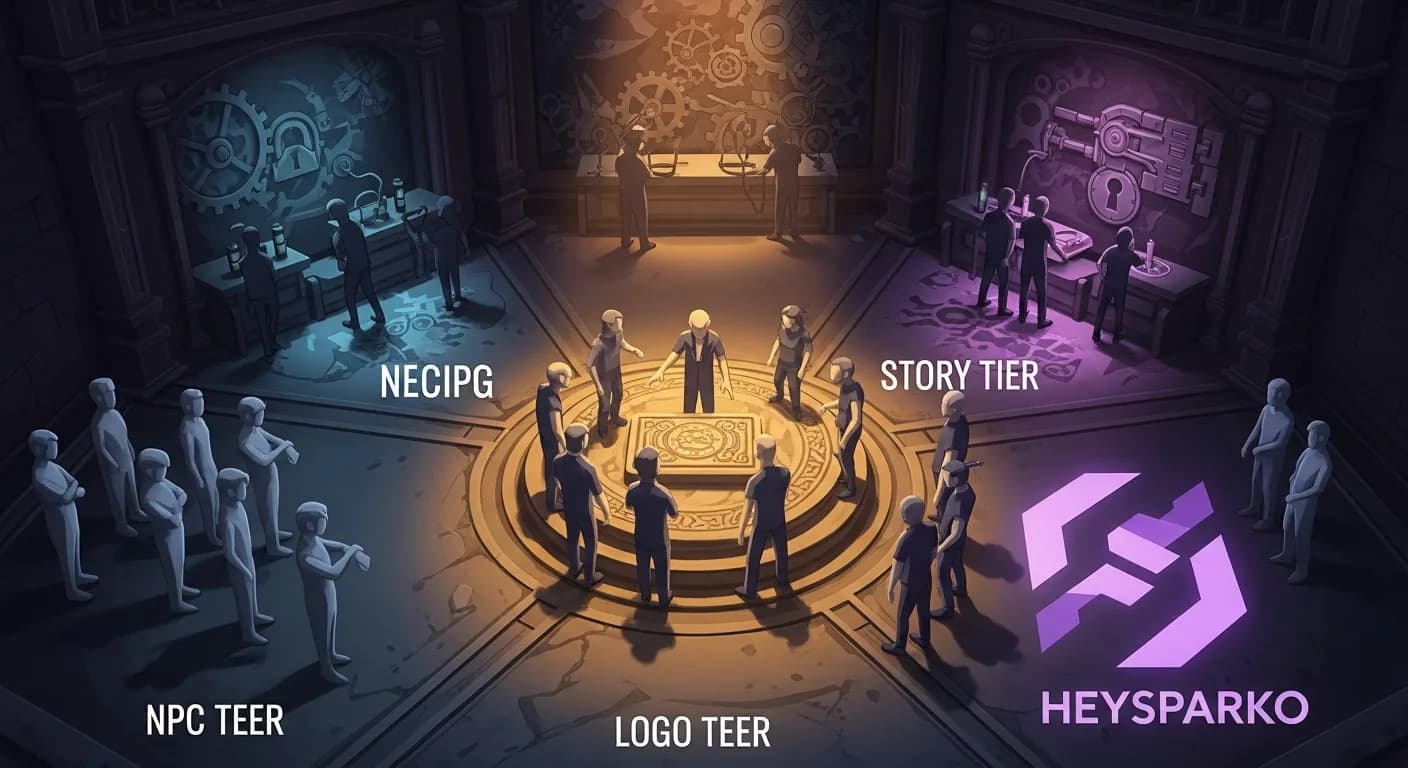
Customization की तीन परतें — और हर एक किस चीज़ को बदलती है
जब players game interface पर हमारे default palette की जगह अपनी कंपनी के brand colors देखते हैं, तो कमरे में कुछ बदल जाता है। कागज़ पर यह एक छोटा बदलाव है — Logo tier तीन customization विकल्पों में सबसे सरल है describe करने के लिए — लेकिन जिस क्षण leaderboard आपका logo carry करता है और completion certificate ऐसा दिखता है जैसे आपके organization ने बनाया हो न कि किसी vendor ने दिया हो, event participants को एक अलग signal भेजता है। किसी ने यह खास उनके लिए design किया।
NPC tier यह बदलता है कि characters क्या कहते हैं, न कि players क्या देखते हैं। Game का narrator, guide, या antagonist आपकी internal भाषा में बोलने लगता है: असली terminology, actual tools, वह cultural shorthand जो संगठन के भीतर के किसी व्यक्ति पर ही काम करती है। हमने engineering teams को तुरंत आगे झुकते देखा है जब कोई character उस platform migration का ज़िक्र करता है जिसमें वे पिछले छह महीनों से लगे हैं। जब game का cast कंपनी जैसा लगता है — किसी generic fictional world जैसा नहीं — तो अनुभव entertainment की तरह काम करना बंद कर देता है और recognition की तरह operate करने लगता है। यह प्रभाव तत्काल होता है और किसी अन्य तरीके से पैदा करना मुश्किल।
Story तीनों में सबसे आगे जाती है। वही puzzle mechanics, वही host, वही game structure — पूरी narrative आपकी कंपनी की situation के अनुसार rewrite हो जाती है। एक anniversary event में final reveal कंपनी के actual founding arc से जुड़ सकता है। एक pre-launch team एक ऐसे 80-मिनट के thriller में काम कर सकती है जिसका mission उसी release का एक version हो जिसकी वे तैयारी कर रहे हैं। Reorg से गुज़र रही team एक ऐसे bureaucratic crisis को सुलझा सकती है जो उनके अपने जैसा लगे। यहाँ customization branding नहीं रहती, बल्कि कंपनी खुद अपने लिए एक event बनाती है — और HeySparko production संभालता है।
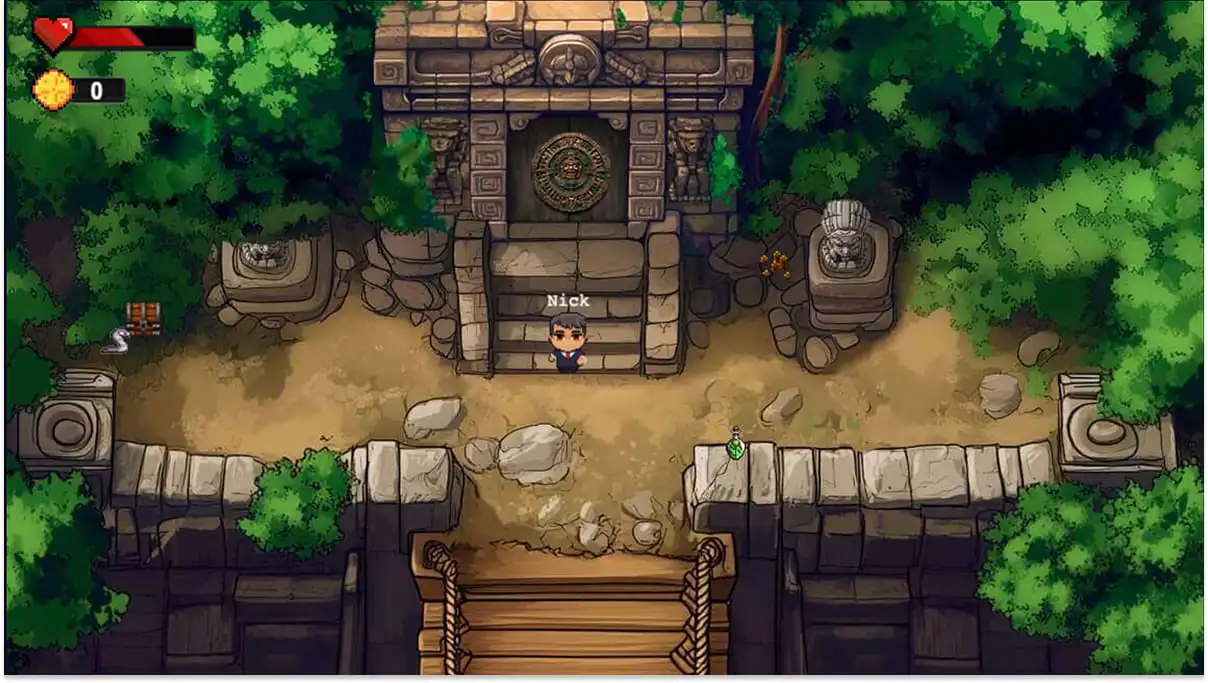
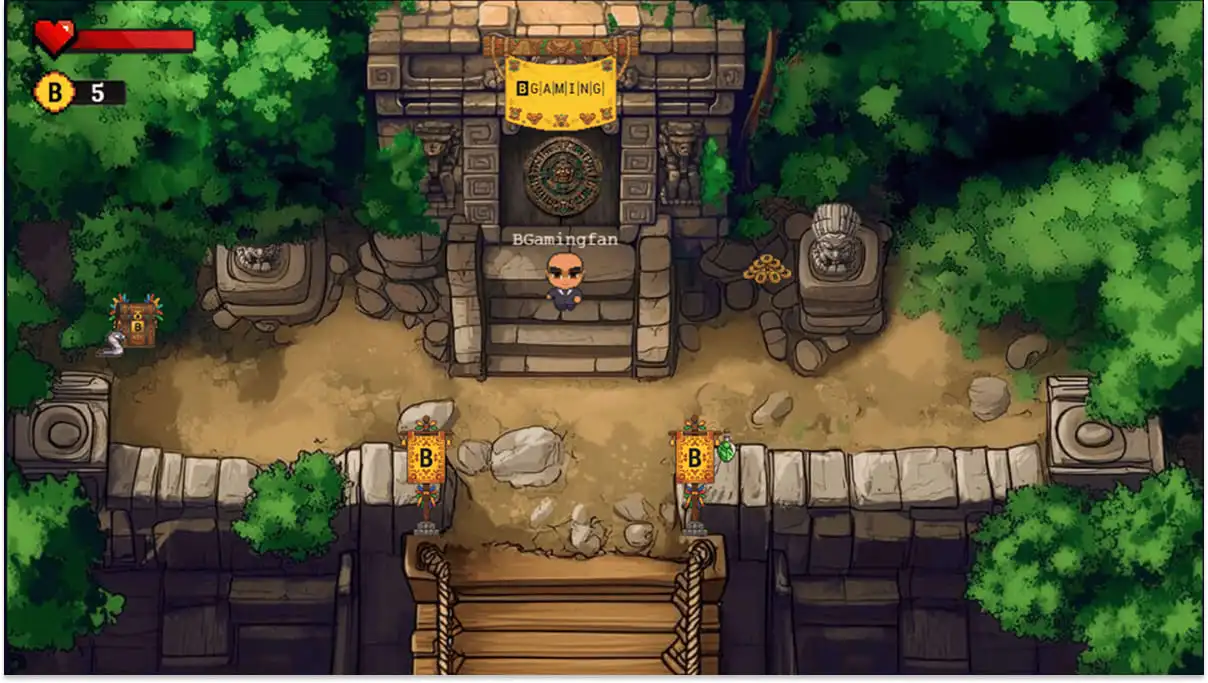
अपनी team के लिए customize करें
TYPE 1
आपकी team in-game characters के रूप में
असली team members, mascots, या आपके games के characters NPCs के रूप में।
TYPE 2
आपकी brand natively integrated
Logo और brand elements game environments के लिए native — locations, items, UI।
TYPE 3
आपकी story game में बुनी गई
Company milestones, products, और internal references puzzles, dialogues, और tasks में बुनी गईं।
BGaming — international iGaming company, 12+ देशों में distributed लगभग 400 employees — ने अपनी company anniversary तीनों tiers को मिलाकर चलाई। NPC, Logo, और Story एक साथ: real team members characters के रूप में embedded, और कंपनी का actual founding arc narrative conclusion के रूप में। Participation 89% रही, जबकि target 75% था। Post-event survey ने game को नहीं, बल्कि उसके बाद के हफ्तों में हुई उन cross-functional conversations को capture किया जो engineering और business-operations teams के बीच हुईं — जो आमतौर पर ज़्यादा cultural vocabulary share नहीं करतीं। यही है जो full customization produce कर सकती है जब game choice और brief aligned हों।
Planning conversation में जल्दी काम आने वाला एक operational note: tiers की lead-time requirements अलग-अलग हैं। Logo में लगभग सात दिन लगते हैं। NPC को minimum दो हफ्ते चाहिए क्योंकि dialogue rewrite के लिए real input और सही बनाने के लिए एक iteration cycle ज़रूरी है। Story को तीन हफ्ते चाहिए — एक alignment call, एक first-draft arc, और कुछ lock होने से पहले एक revision pass। Event से पाँच दिन पहले book करें और customization उस event के लिए available नहीं होगी। अगले event में इसे शामिल करना होगा।
Big Game बनाम Marathon — Customization किस पर अलग तरह से काम करती है
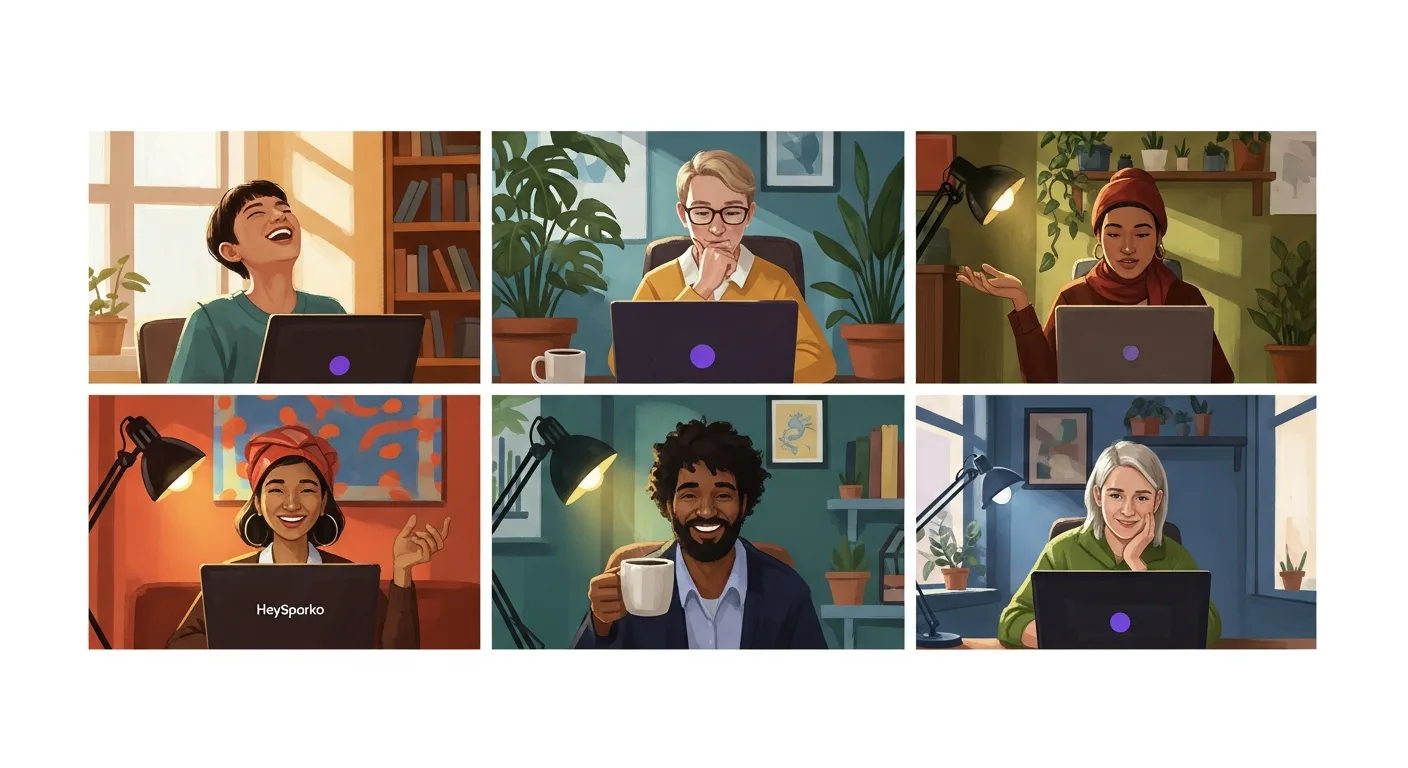
Format का सवाल customization experience को tier choice से ज़्यादा shape करता है, और यही बात हम लगभग हर scoping conversation में जल्दी उठाते हैं। Big Game format में custom branded team building event customization को एक बार, तीव्रता से, एक shared moment में deliver करता है। Marathon इसे दिनों तक बार-बार deliver करता है, हर player के अपने समय पर। यह फ़र्क़ logistics से ज़्यादा है।
Big Game एक single synchronous event है — 60-90 मिनट, सभी एक ही session में, branded leaderboard एक साथ हर screen पर। जब NPC एक real internal reference drop करता है, तो पूरी कंपनी उसे एक साथ सुनती है। Story reveal एक live room में होता है। Shared recognition की energy — एक character पर हँसी जो CEO जैसा लगता है, एक plot beat जो team जो actually navigate कर रही है उसे mirror करता है — live moment में वास्तविक और तत्काल होती है जिसे async replicate नहीं कर सकता। आप महसूस कर सकते हैं कि किसी room ने कुछ पहचाना और किसी ने केवल follow किया।
Marathon अलग तरह से चलता है। एक से पाँच दिन, episodes daily unlock होते हैं, players अपने schedule के अनुसार engage करते हैं। Distributed teams के लिए calculation सरल है: अगर आपकी कंपनी के लोग Singapore, London, और Chicago में हैं, तो कोई single live window सभी को cover नहीं करती बिना किसी को कहीं सुबह 6 बजे का call force किए। Marathon उस समस्या को हटा देता है। हर player customization को अपने schedule पर encounter करता है — सुबह leaderboard check करने पर branded interface, Episode 2 में NPC dialogue जो Episode 1 पर build करता है, वह story beat जो दिनों में accumulate होती रही है। Brand recall repetition के ज़रिए बढ़ती है न कि किसी single shared moment में जीती है।
Distributed tech teams के साथ हमारे काम में, customized Marathon के बाद हम जो observation सबसे अधिक सुनते हैं वह यह है कि ऐसा नहीं लगा जैसे उन्होंने एक branded event खरीदा। ऐसा लगा जैसे कंपनी ने कुछ बनाया और chapters में team को publish किया। जिस player ने Episode 1 में internal reference notice किया, वह Episode 3 के लिए वापस आता है — इसलिए नहीं कि उसे करना है, बल्कि इसलिए कि कहानी उसकी अपनी है।
Big Game events के लिए जहाँ customization में urgency होनी चाहिए, Apocalypse और Mission 8-Bit वे games हैं जहाँ NPC और Story tiers सबसे hard hit करते हैं। Time-pressure mechanics branded narrative को उस तरह amplify करती हैं जो slower-paced games नहीं करतीं। Marathon customization के लिए, Bureau of Magical Affairs NPC tiers के साथ खास तौर पर अच्छा चलता है: game की four-case structure branded characters को episodes में single appearance की बजाय multiple points of contact देती है।
अगर आपकी team छह या सात से ज़्यादा time zones में फैली है, तो Marathon उस scheduling problem को हटा देता है जो अधिकतर distributed event plans को बर्बाद कर देती है। Distributed companies में opt-in Marathon events पर हम 65-78% completion rates देखते हैं, और 35% जो mandatory live window में attend नहीं करते वे async formats में meaningful rates पर engage करते हैं। ये disengaged employees नहीं हैं — ये वे employees हैं जिनका calendar math synchronous windows के लिए कभी काम नहीं करता।
Game को वह Match करना जो Brand को कहना है
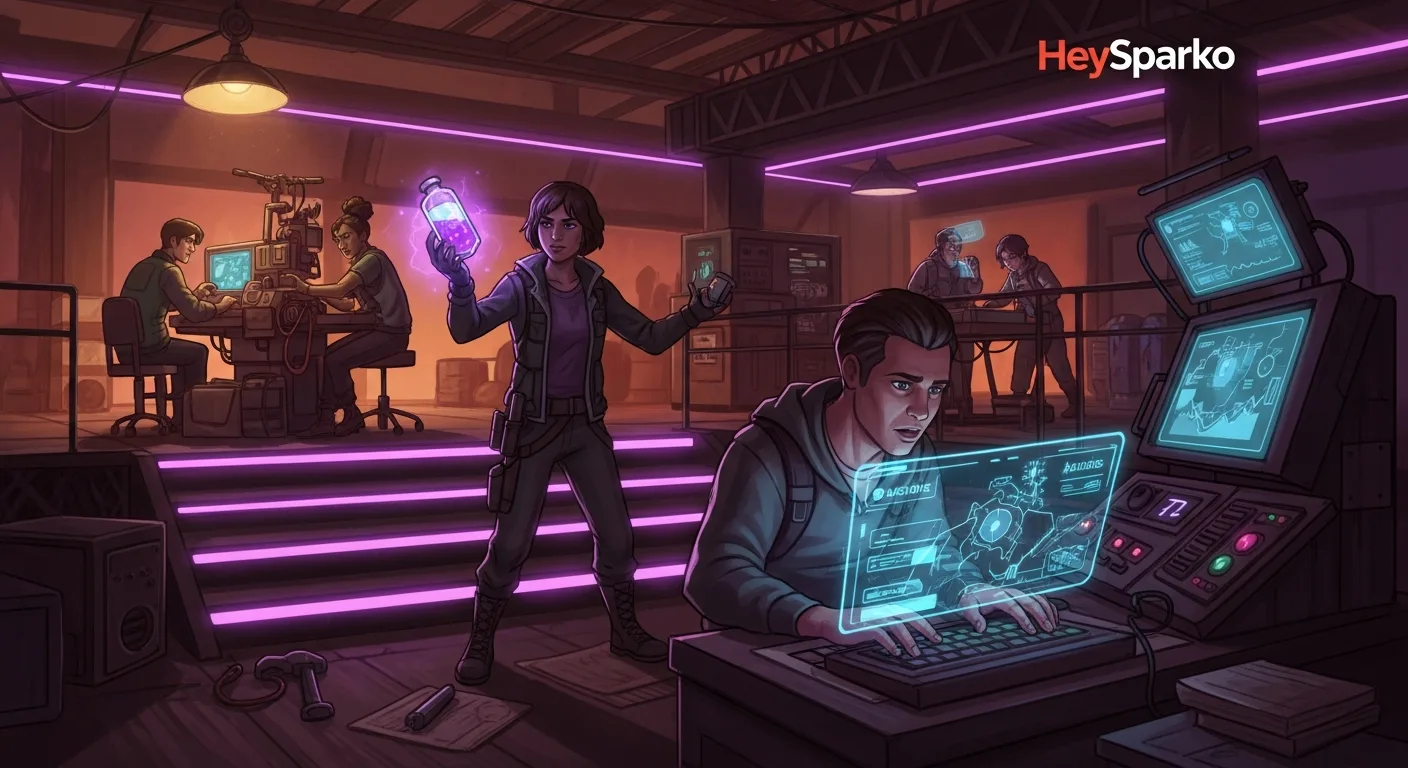
Game selection वह जगह है जहाँ customization strategy या तो click करती है या बिखर जाती है। Game का existing aesthetic वह ceiling set करता है जो customization कर सकती है। ऐसा game चुनें जो brand की identity के साथ tonally mismatched हो और उस conflict के आसपास customize करने की कोशिश करें, तो result आमतौर पर एक costume जैसा पढ़ा जाता है न कि एक identity की तरह — narrative game के ऊपर बैठती है न कि उसके भीतर।
Enterprise और professional-services cultures के लिए — legal, finance, consulting environments जहाँ sophistication मायने रखती है — Wintervald Hotel Mystery में Story customization carry करने का tonal weight है — किसी acquisition closing, leadership transition, या IPO moment के बारे में। जब mystery का central premise बन जाता है "किसे deal close नहीं करनी थी?" और suspects कंपनी के actual stakeholder map से आते हैं, तो game entertainment की तरह काम करना बंद कर देता है। हमने यह specific construction finance teams के लिए काम करते देखा है जो एक merger को navigate कर रहे थे जिसे उन्होंने नहीं चुना था — murder mystery format team को safe distance of fiction के ज़रिए एक real situation को process करने का तरीका देता है।
Anniversary events और milestone celebrations के लिए, Under the Big Top का traveling-troupe premise कंपनी की journey के लिए एक structural metaphor प्रदान करता है जो forced नहीं लगता: अलग-अलग chapters, वही core cast, साथ मिलकर कहीं जा रहे हैं। यहाँ Story customization अक्सर real team functions को circus roles पर map करती है — engineering as inventors, sales as ringmasters, design as costumers — और final reveal में कंपनी की founding narrative को weave करती है। Multi-year milestones पर teams के लिए जहाँ customization actual company history को honor कर सकती है न कि कोई fictional history बना सकती है, यह game किसी generic "celebration event" से ज़्यादा weight के साथ land करता है।
Engineering-heavy या startup cultures के लिए, Mission 8-Bit की three-act structure — hostile office से escape, machine rebuild करो, patch ship करो — quarterly project rhythm से इतनी cleanly map करती है कि Story customization game के mission को literally उस launch के बारे में बना सकती है जिसकी team तैयारी कर रही है। हमें उम्मीद नहीं थी कि यह game हमारा most-requested kickoff format बन जाएगा; तीन-stage arc simply fit होता है। Apocalypse NPC customization के लिए अलग तरह से काम करता है: real team members को response squad के रूप में embed करना participants को coordination challenges के साथ इसलिए अलग तरह से engage करवाता है क्योंकि characters उनके actual roles share करते हैं।
Year-end events के लिए जहाँ team पिछले साल जैसे किसी identical holiday format से ज़्यादा imaginative कुछ चाहती है, Stolen Hours Logo और Story work के लिए सबसे wide canvas प्रदान करता है। चार genre-worlds — postapocalyptic, cyberpunk, steampunk, biopunk — प्रत्येक brand integration के लिए एक distinct visual surface देती है, और time-restart premise naturally एक साल के ending और नए साल के beginning पर map करता है। Pixar-style art इसे accessible रखता है; genre variety इसे एक prolonged metaphor जैसा feel होने से बचाती है।
Bureau of Magical Affairs वह game है जहाँ NPC customization उन organizations के लिए सबसे ज़्यादा texture देती है जिनकी strong internal culture है और जो अपने operational chaos पर हँसने को तैयार हैं। Bureaucratic-investigation premise लगभग किसी भी team को mirror करता है जो system migration, reorg, या hyperscaling sprint से गुज़र रही है। Case files real internal problems को reference करने के लिए rewrite किए जाते हैं; game का tone workplace chaos को comedy की तरह treat करता है, जो customization को sharp होने की जगह देता है बिना awkward या cheap हुए।
सभी छह में common principle यह है: existing narrative aesthetic को उसी दिशा में move करना होगा जो brand को कहना है। Story customization तब काम करती है जब game की दुनिया और कंपनी की identity एक ही चीज़ की ओर aimed हों। जब वे नहीं होतीं, तो कितना भी clever writing mismatch को ठीक नहीं कर सकती।
Research क्या कहती है Branded Events, Collaboration, और Return के बारे में
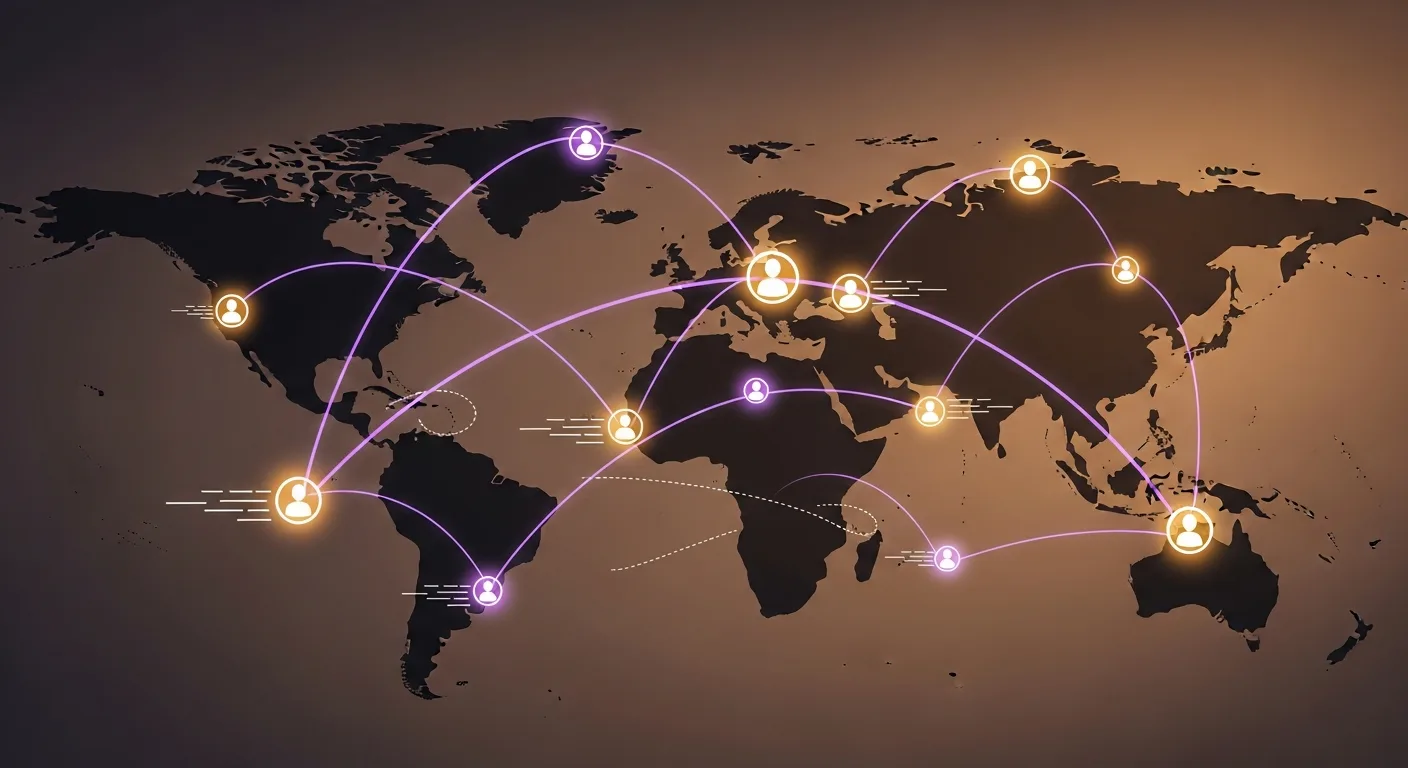
Stock event की जगह branded tier में invest करने का case एक ऐसी collaboration problem पर टिका है जिसे अधिकतर leadership discussions understate करती हैं।
Atlassian की State of Teams 2024 report का अनुमान है कि Fortune 500 में ineffective collaboration के कारण सालाना 25 billion work hours बर्बाद होते हैं; survey में शामिल 93% executives ने कहा कि अगर उनकी teams ज़्यादा effectively collaborate करतीं तो वे आधे समय में similar outcomes deliver कर सकती थीं। 25 billion का figure Atlassian का executive survey data से extrapolation है न कि direct count — यह qualifier मायने रखता है — लेकिन directional argument उस चीज़ में grounded है जो हम team level पर देखते हैं: अधिकतर organizations को tool gap नहीं है। उनके पास relational gap है। Software मौजूद है; वह shared context जो software को efficiently काम करवाती है, नहीं है। Custom branded events उस gap को address करते हैं जैसा generic events नहीं करते। जब game आपकी भाषा use करता है, आपकी situation को reference करता है, और आपकी identity carry करता है, तो यह shared context बनाता है जो 90 मिनट या तीन-दिन के Marathon से आगे रहती है।
Anog et al. (SSRN, 2023) द्वारा 60+ team-building studies की systematic review ने पाया कि structured activities satisfaction बढ़ाती हैं और turnover घटाती हैं, और effects तब amplified होते हैं जब activity एक broader development strategy में integrate होती है बजाय one-off की तरह चलने के। Custom event का branded dimension उस integration को directly support करता है। Stock event एक अच्छा team day होता है। Branded event कंपनी की story का एक chapter होता है — कुछ ऐसा जिसे महीनों बाद reference किया जा सके बिना reference को "remember that generic thing we did?" जैसा लगे।
Burnout के पहलू पर, Deloitte की 2024 Burnout in the Workplace report ने पाया कि जो workers प्रति quarter दो या उससे अधिक company-sponsored events attend करते हैं वे 23% कम burnout symptoms report करते हैं। उसी report में 31% respondents ने lack of recognition को अपना top burnout driver बताया — पहली बार workload से आगे। जो events company identity carry करते हैं वे एक तरह से recognition signal करते हैं जो vendor events नहीं करते। जब characters कंपनी की भाषा में बोलते हैं और environment उसकी brand को reflect करता है, employees वह signal पढ़ते हैं — किसी ने हमारे बारे में सोचा। यह पढ़ना "HR ने कुछ book किया" से अलग है।
Microsoft की 2024 Work Trend Index ने पाया कि 57% distributed workers mandatory live events की जगह async-engagement options prefer करेंगे। Big Game और Marathon के बीच निर्णय लेने वाले HR leaders के लिए, यह finding preference से परे practical implications रखती है। जिस live event में 43% team skip करे वह एक successful engagement event नहीं है चाहे game कितना भी well-produced हो। Opt-in Marathon के साथ 65-78% voluntary completion — जो हम अपने portfolio में देखते हैं — एक अलग कहानी बताती है। Customization वह एक factor है जो completion curve को move करती है: जब employees किसी ऐसे event का सामना करते हैं जो vendor product की बजाय कंपनी का लगता है, तो engage करने की motivation qualitatively अलग होती है।
CultureAmp की 2024-2025 State of Culture report ने पाया कि above-median engagement scores वाली companies में below-median वाली companies की तुलना में 31% कम voluntary turnover होता है। हम एक single branded event से किसी specific retention outcome तक सीधी line नहीं खींच रहे — data उस तरह का causal claim cleanly support नहीं करता। जो यह support करता है वह यह है कि cadenced, identity-connected engagement investment एक cumulative buffer बनाता है। एक बार का branded event एक data point है। Rhythm पर branded event — कंपनी के अपने लोगों के साथ communicate करने के तरीके के रूप में — कुछ और है।
अक्सर पूछे जाने वाले प्रश्न
Custom branded team building event book करने के लिए कितने समय पहले plan करना होगा?
Customization tier lead time निर्धारित करती है, और ये differences planning के लिए मायने रखते हैं। Logo integration में लगभग सात दिन लगते हैं। NPC customization को minimum दो हफ्ते चाहिए — character dialogue को आपकी कंपनी की आवाज़ और internal language में rewrite करने के लिए real input और सही बनाने के लिए एक iteration cycle ज़रूरी है। Story customization के लिए तीन हफ्ते चाहिए क्योंकि एक alignment call, एक first-draft narrative arc, और brief lock होने से पहले एक revision pass होती है। Event से पाँच दिन पहले book करें और customization उस event के लिए available नहीं होगी; अगले में इसे build करें।
NPC, Logo, और Story tiers में क्या अंतर है — और क्या हमें तीनों चाहिए?
प्रत्येक tier experience की एक अलग layer पर काम करती है, और अधिकतर clients एक या दो choose करते हैं इस आधार पर कि event क्या accomplish करने की कोशिश कर रहा है। Logo visual layer बदलती है: brand colors, leaderboard पर आपका logo, branded take-home materials। NPC यह बदलता है कि characters कैसे बोलते हैं: internal language, team references, आपकी communication style dialogue में। Story narrative बदलती है: game का plot आपकी कंपनी की real situation, milestone, या challenge से जुड़ता है। Anniversary events अक्सर Story को prioritize करते हैं। Customer-facing events Logo की ओर झुकते हैं। Strong internal culture वाली teams को आमतौर पर NPC सबसे अच्छा लगता है। जब event full identity integration के लिए call करे तब tiers stack होती हैं। Current details के लिए /hi/pricing देखें।
क्या custom branded event 500 या 1,000 employees तक scale हो सकता है?
दोनों formats 10,000 players तक scale होते हैं बिना customization के काम करने के तरीके में structural changes के। Big Game बड़े groups को shared leaderboard पर competing squads में split करता है; Marathon design से ही asynchronous है, इसलिए player count coordination problem नहीं बनती। Customization — NPC, Logo, या Story — game level पर apply होती है न कि per-player, जिसका अर्थ है कि 1,000-person event और 100-person event एक ही branded experience चलाते हैं। 8+ time zones में फैली teams के लिए, Marathon ensure करता है कि हर employee customization का सामना अपने schedule पर करे न कि किसी ऐसी window पर जो किसी के continent को disadvantage करे।
क्या team को पता चलता है कि event customized था, या यह game में blend हो जाता है?
दोनों होते हैं, और यह combination ही customization को काम करवाती है। Players internal references notice करते हैं — एक character जो company nickname use करता है, एक leaderboard जो team की naming conventions match करता है, एक story beat जो organization जिससे गुज़र रही है उसे mirror करता है। वह recognition moment signal करती है "किसी ने यह हमारे लिए बनाया," जो intent है। साथ ही, customization genuine mechanics और professional host वाले game के भीतर रहती है, इसलिए यह internal-presentation territory में नहीं जाती। जब Story tier अच्छी तरह land करती है, तो players narrative से इसलिए engage करते हैं क्योंकि यह अच्छी storytelling है और बाद में realize करते हैं कि कितना company context उसमें thread किया गया था।
Custom branded event के लिए कौन सा format बेहतर है — Big Game या Marathon?
जवाब primarily इस पर निर्भर है कि team कितनी distributed है, इस पर नहीं कि कौन सा format customization को बेहतर handle करता है। दोनों तीनों customization tiers support करते हैं। Big Game branded experience को shared moment के रूप में deliver करता है: सभी reveal को simultaneously encounter करते हैं, और collective recognition की energy वह है जो async replicate नहीं कर सकता। Marathon इसे multi-day encounter के रूप में deliver करता है: हर episode repetition के ज़रिए customization को reinforce करता है, और async design का मतलब है कि distributed teams बिना किसी को सुबह 6 बजे call दिए participate करती हैं। अगर team एक single time-zone window में fit होती है और आप वह live-room energy चाहते हैं, तो Big Game choice है। अगर नहीं होती, तो Marathon की reach Big Game की intensity से ज़्यादा worth है।
आप कैसे measure करते हैं कि custom branded team building event worth it था?
सबसे useful signals सभी एक ही dashboard में नहीं होते। आपकी कंपनी की typical live-event attendance के मुकाबले participation rate बताती है कि format या identity change ने needle move किया या नहीं। Post-event NPS के साथ free-response answers जो branded elements को नाम से mention करें बताती हैं कि identity signals actually land हुए या नहीं। बाद के दो हफ्तों में manager observation — cross-functional conversations जो normally नहीं होती, किसी real meeting में game की story का reference, कोई जो आमतौर पर check out करता है वह visibly engaged था — qualitative है लेकिन अक्सर सबसे telling signal होती है। Analytics report जो हम 24 घंटे के भीतर भेजते हैं quantitative layer cover करती है; manager debrief वह capture करता है जो numbers miss करते हैं।