
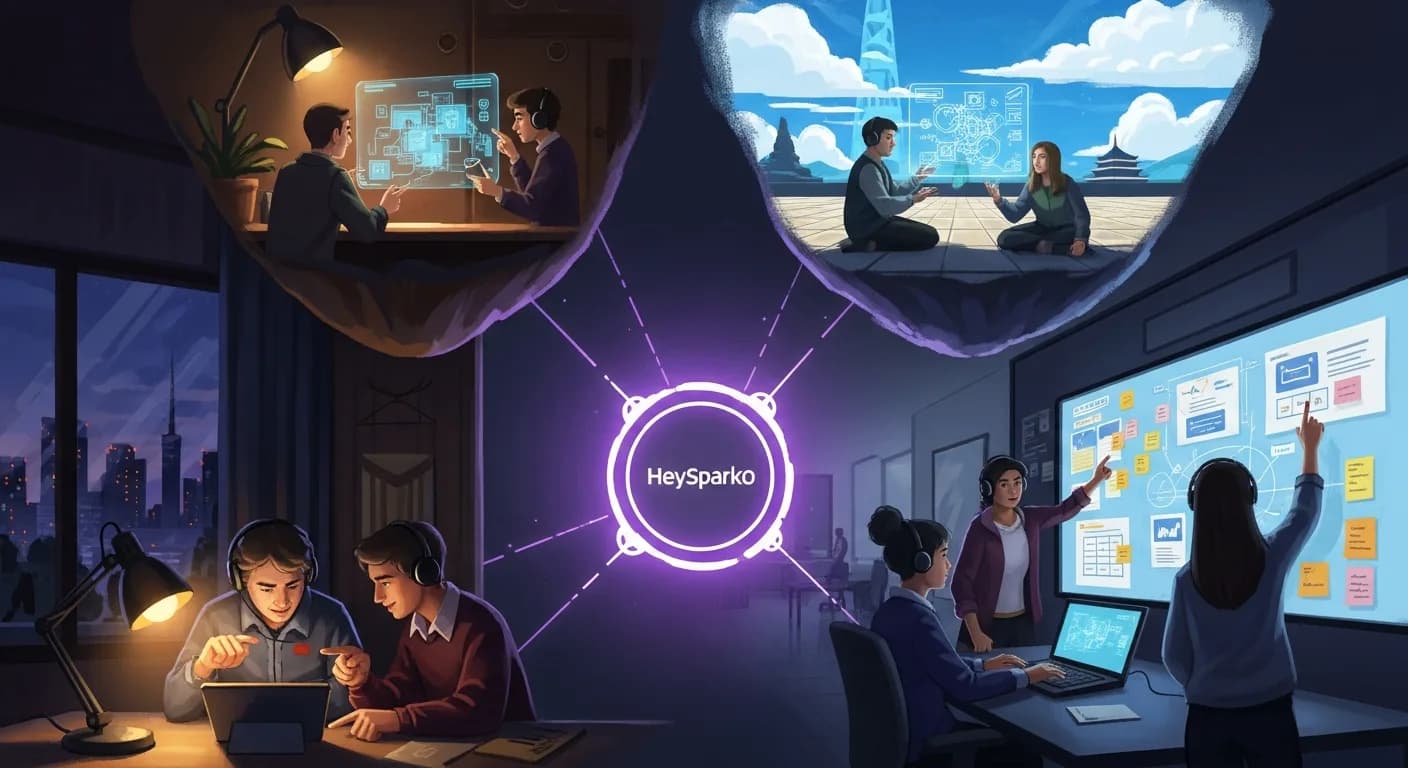

People Ops teams में एक budget conversation हर साल fiscal year-close से करीब बारह हफ्ते पहले होती है। कोई engagement events की line item खोलता है और सवाल हमेशा यही होता है: "इस साल team के लिए क्या करें?" अक्सर जवाब होता है — नवंबर में एक event, headquarters के time zone के हिसाब से schedule किया गया। Singapore office 10 बजे रात को join करती है। São Paulo team शुक्रवार दोपहर को। जो लोग पूरी तरह present थे उनका NPS अच्छा रहा, participation report ठीक दिखी — लेकिन किसी ने यह नहीं बताया कि Pacific time zone के आधे attendees शुरू से ही mute पर थे।
50+ देशों में पांच साल के distributed-team programs के अनुभव में, हमने 300+ कंपनियों के लिए 1,500 से ज़्यादा virtual team events design और run किए हैं। People Ops से होने वाली बातचीत बदल चुकी है। पहले सवाल होता था "हमारी team के लिए सबसे अच्छा virtual game कौन सा है।" अब सवाल है "हम कुछ ऐसा कैसे बनाएं जो regions और time zones में एक से ज़्यादा quarter तक टिके" — यह ज़्यादा कठिन सवाल है, और सही सवाल है।
ग्लोबल कंपनियां एक ऐसा remote team-building program कैसे बनाएं जो कई regions और time zones में काम करे?
Annual event का जाल, और distributed companies इसमें क्यों फंसती रहती हैं

McKinsey की 2024 workplace engagement research ने पाया कि एक सामान्य engagement intervention को measurable retention impact दिखाने में 6-9 महीने लगते हैं। साल में एक event इस window में फिट नहीं होता। नवंबर में event करें, जनवरी में engagement measure करें — causal chain इतनी कमज़ोर है कि Finance review में defend करना मुश्किल हो जाता है। साल में दो events से स्थिति बेहतर होती है। साल में चार events — quarterly, rotating format — People Ops team को कुछ ऐसा देते हैं जो वाकई convincing हो।
बार-बार engagement का compound effect असली है — एक अकेला event इसे reproduce नहीं कर सकता। CultureAmp की 2024-2025 State of Culture research ने पाया कि जो कंपनियां monthly recognition programs चलाती हैं, उनके engagement scores ad-hoc programs की तुलना में 2.4× ज़्यादा होते हैं। Cadence से culture बनती है। एक अकेला event — चाहे कितना भी अच्छा हो — फरवरी तक लोगों की याददाश्त से मिट जाता है। एक quarterly program एक pattern बनाता है, और patterns तय करते हैं कि employees अपनी कंपनी को कैसे अनुभव करते हैं।
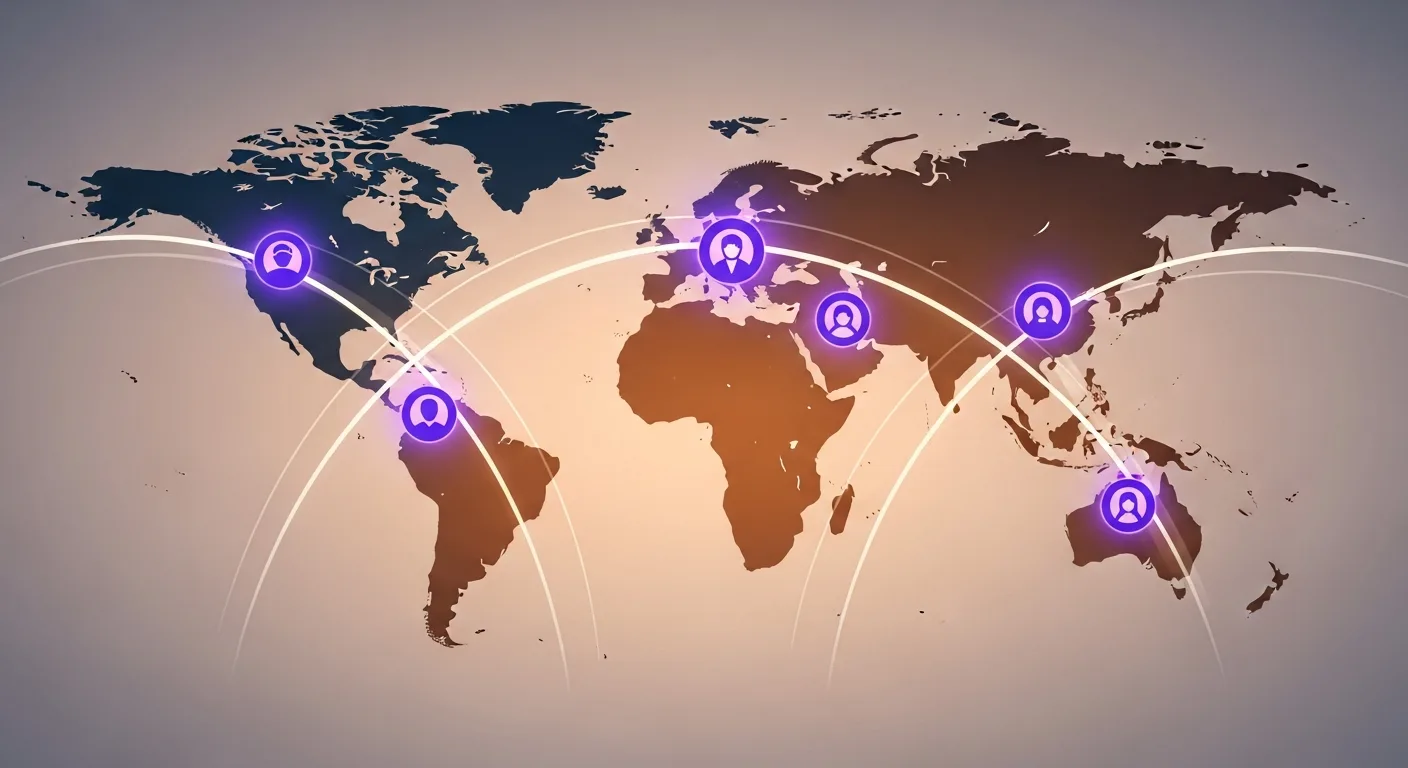
ग्लोबल distributed companies के लिए इसके नीचे एक और मुश्किल परत है। जब आपकी team 14 time zones में फैली हो, तो एक सालाना event सबकी ज़रूरत एक समान नहीं पूरा कर सकता। वह उस time zone cluster के लिए design किया जाता है जहां ज़्यादातर employees हैं। बाकी सबको बताया जाता है कि event "optional but important" है — और फिर London के 9am वाले invite के ज़रिए Singapore को 10pm पर आने को कहा जाता है।
हमने एक software company के साथ काम किया जिनके People Ops lead ने सीधे बात की: करीब 600 employees, पाँच देशों और तीन महाद्वीपों में, quarterly "team events" जो ज़्यादातर London को favor करने वाले Zoom calls थे — और company का एक-तिहाई हिस्सा वहीं था। हर event के बाद European employees का feedback बाकियों से बेहतर आता था। यह coincidence नहीं था, और यह उनके game की चुनाव से भी नहीं था।
इसका हल बेहतर game नहीं है। हल है एक ऐसा cadence जो हर quarter में सही format इस्तेमाल करे — न कि एक ही format को बार-बार दोहराए, चाहे team का distribution उस वक्त कैसा भी हो।
Big Game बनाम Marathon: असली फर्क कहां है
एक quarterly remote team-building program बनाने का मतलब है यह मान लेना कि एक ही format हर quarter के लिए काम नहीं करेगा। Big Game और Marathon दोनों मौलिक रूप से अलग situations के लिए बने हैं, और यह समझना कि calendar में हर एक की जगह कहाँ है — यही असली design challenge है।
Big Game में सब एक साथ एक ही session में होते हैं: 60-90 मिनट, एक professional Game Host पहले puzzle से आखिरी leaderboard reveal तक show चलाता है। Live event की competitive energy इस format की मुख्य खासियत है। यह Zoom के ज़रिए भी महसूस होती है: जब दूसरी team वह answer submit करती है जो आप अभी तक नहीं सुलझा पाए, या Stage 3 खुलने पर जब दो squads के बीच चार points का अंतर हो। यह shared experience async में नहीं आती — यह एक अलग product है, एक अलग moment के लिए।
Big Game ग्लोबल companies के लिए तब अच्छा काम करता है जब time zone spread लगभग छह घंटे के अंदर हो। London-Amsterdam-Warsaw-Nairobi 3pm CET पर — यह चल सकता है। Singapore जोड़ें, और आप किसी से 10pm पर आने की उम्मीद कर रहे हैं। São Paulo जोड़ें, और किसी की 5am shift बन जाती है। कुछ ग्लोबल companies दो parallel Big Game windows चलाती हैं — same game, same host, दो sessions — और अगले सुबह Slack पर combined leaderboard post करती हैं। यह तब काम करता है जब हर window में enough players हों।
Last Temple Mystery Marathon format में दिखाता है कि async approach global distribution को कितने अलग तरीके से handle करती है। हर temple floor 24 घंटों में release होती है। APAC team दोपहर में Floor 1 complete करती है। EMEA team उसी शाम। Americas team अगली सुबह। तीनों एक ही leaderboard पर दिखते हैं। São Paulo pod देख सकती है कि Amsterdam pod 40 points आगे है और Floor 2 unlock होने में 14 घंटे बाकी हैं — Slack पर strategy की बातचीत पहले से शुरू हो जाती है, और किसी को अपने local clock पर बुरा slot नहीं मिला।
Marathon events चलाने वाली 500+ companies में, opt-in formats की completion rates 65-78% तक रहती हैं। यह figure genuinely distributed teams के लिए forced-synchronous events से लगातार ज़्यादा है — कारण सीधा है: leaderboard खिंचाव पैदा करता है जो obligation नहीं कर सकती। लोग Day 2 पर इसलिए वापस आते हैं क्योंकि वे देखना चाहते हैं कि उनकी team standings में कहाँ है, न कि इसलिए कि calendar में है।
एक quarterly global program के लिए, ज़्यादातर companies जो structure adopt करती हैं — काफी cycles के बाद — वह है: साल में दो Marathon events और दो Big Game events। Marathon उन quarters के लिए जब distribution सबसे wide हो और कोई window ऐसी न हो जो किसी को disadvantage न दे। Big Game उन moments के लिए जब company का ज़्यादातर हिस्सा एक geography share करे: annual summit, regional kickoff, या उन offices की holiday party जो एक continent पर हों। Format का फैसला पहले logistics का सवाल है, preference का बाद में। एक बार logistics तय हों, format आमतौर पर खुद तय हो जाता है।
एक fintech जिसके साथ हमने काम किया, ठीक इसी rhythm पर चलती है। 800 लोग, 19 time zones। Q1 में उनके annual culture week के दौरान Marathon। हर region अपने clock पर खेलती है, leaderboard daily global Slack channel पर update होता है, और People Ops lead खुद player के तौर पर participate करते हैं — live session run करने की बजाय। Q2 में, जब ज़्यादातर leadership एक शहर में summit के लिए होती है, तो on-site Big Game। Q3 का Marathon उनके product launch season से जुड़ा है, Story customization tier के साथ जो game narrative को launch context से जोड़ती है। Q4 में दो parallel Big Game windows — EMEA और Americas — combined leaderboard अगले दिन। Annual program NPS: 8.4। People Ops coordination: हर event पर करीब चार घंटे, क्योंकि facilitation खुद चलती है।
पाँच games जो अलग-अलग संस्कृतियों और time zones में काम करते हैं
ग्लोबल teams के लिए game selection में एक filter की ज़रूरत है जो single-location events में नहीं होती: cultural portability। किसी एक market की pop culture पर बना game उन employees को built-in advantage देता है जो वह reference share करते हैं, और बाकियों के लिए friction पैदा करता है। Logic, deduction, और coordination पर बने games अच्छी तरह travel करते हैं — क्योंकि इन mechanics के लिए कोई shared cultural context नहीं चाहिए।
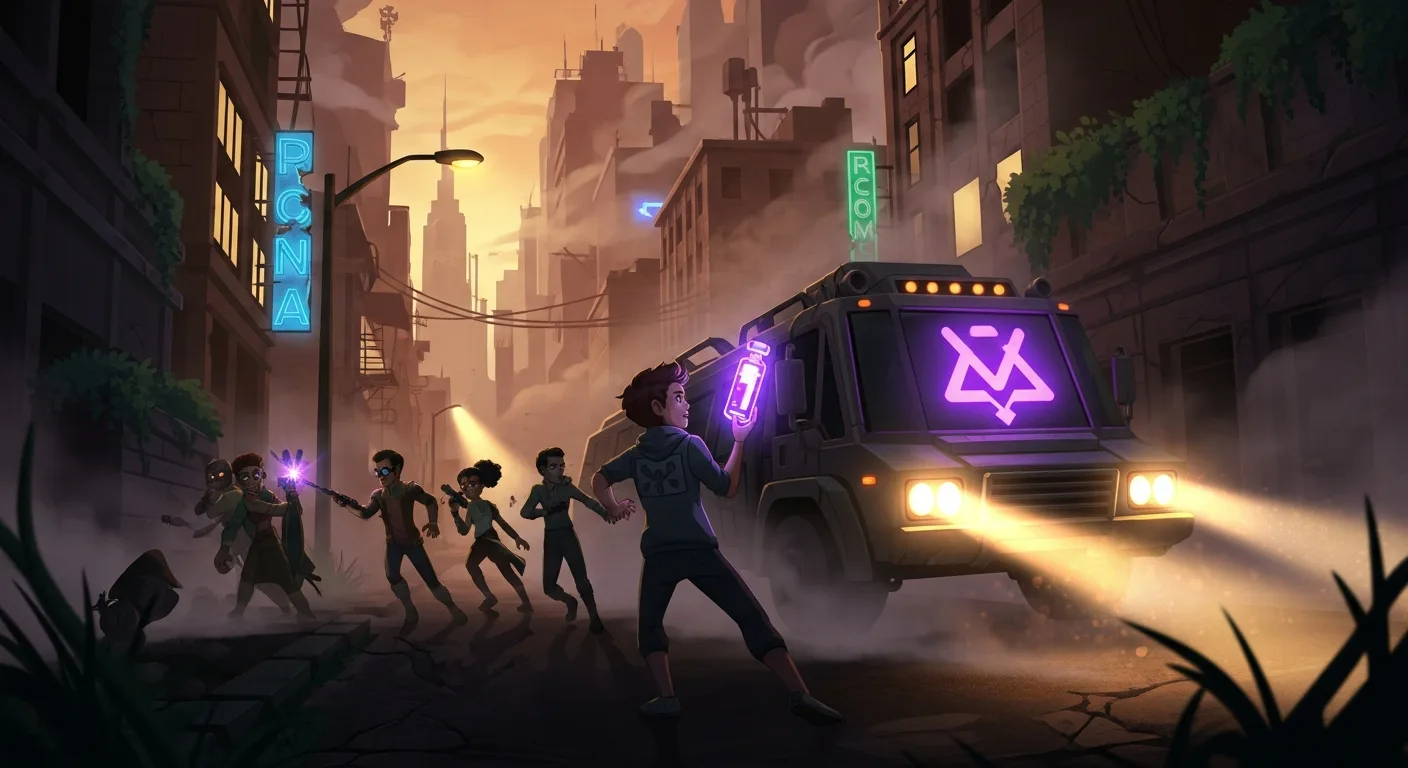
Last Temple Mystery HeySparko का ग्लोबल audiences के लिए सबसे ज़्यादा बुक होने वाला game है और जिसमें cultural-accessibility की शिकायतें सबसे कम आती हैं। चार-stage का Mayan temple expedition opening scene से ही अपनी symbolic vocabulary खुद सिखाता है — किसी को पहले से background knowledge की ज़रूरत नहीं। Mechanics हैं: observation, symbol decoding, और team coordination। हमने इसे Marathon format में 12+ time zones में run किया है बिना player-experience में कोई गिरावट के। जब mythology composite हो और internally सिखाई जाए, तो कोई भी अपने upbringing से advantage नहीं लेता।
Apocalypse catalog का सबसे high-energy option है: एक real clock के साथ चार locations पर vaccine race, role-specialization dynamics के साथ जो दिखाता है कि दबाव में coordination leadership कौन लेता है। Premise globally travel करती है — crisis response और teamwork के लिए कोई cultural primer नहीं चाहिए। एक honest caveat: यह game उन teams के लिए बेहतर काम करता है जिनका पहले से working relationship हो। जिन groups के members ज़्यादातर parallel में काम करते रहे हों, उन्हें time-pressure mechanics engaging नहीं बल्कि disorienting लग सकती हैं। छह या उससे ज़्यादा महीनों के shared context वाली established global teams के लिए, यह हमारा सबसे intense event है।
Wintervald Hotel Mystery उन enterprise audiences के साथ सबसे अच्छा उतरता है जिनकी culture के लिए adventure framing off-brand लगती है: एक snow-bound hotel में तीन-stage whodunit, Christie के tone में, speed या urgency नहीं बल्कि evidence gathering और deduction पर बना। Detective mystery genre की European, Asian, और North American fiction में गहरी जड़ें हैं — इसीलिए Wintervald Hotel Mystery genuinely diverse international groups में भी कम cultural friction पैदा करता है। Marathon version में कुछ दिलचस्प होता है: teams episodes के बीच Slack पर theory-sharing threads बनाती हैं। एक 300-person global legal team के लिए तीन-दिन के Marathon ने उनके किसी भी पिछले company event से ज़्यादा cross-geography conversation generate की। जो लोग कभी एक call पर नहीं बोले थे, वे time zones पार करके suspects के alibis पर publicly debate कर रहे थे।
Under the Big Top वही तीन-stage deduction mechanic एक vintage circus setting में लाता है: एक missing performer, richly-drawn suspects, और एक backstage investigation जो ध्यान से पढ़ने पर reward करती है। Circus aesthetics globally अच्छी तरह travel करती हैं; tone warm और melancholic है न कि slapstick — यही कारण है कि यह multilingual audiences में humor-dependent games की तरह misfire नहीं करता। अलग-अलग offices में genuinely varied cultural sensibilities वाली teams इस game पर ज़्यादा consistently respond करती हैं।
Stolen Hours year-end option है: postapocalyptic, cyberpunk, steampunk, और biopunk worlds से होती हुई Santa के चुराए हुए clock hands को वापस पाने की एक genre-bending chase। Premise किसी एक holiday tradition की बजाय broad speculative fiction से आती है — इसीलिए यह December के लिए naturally inclusive choices में से एक है जब employees कई religious और cultural backgrounds से हों। Genre references किसी एक market के media history में anchored नहीं हैं; वे एक genuinely global visual vocabulary से आते हैं।
ये पाँचों games multilocale deployments के लिए Marathon format में चलते हैं, और async versions purpose-built multi-day events हैं जहाँ हर episode एक narrative beat लेकर आता है। Daily leaderboard update वह pull बनाता है जो लोगों को वापस लाता है; cultural और mechanical registers का rotation हर quarter में experience को fresh रखता है।
एक global event को पूरी company का अपना कैसे बनाएं
"HeySparko event जो हमारी company ने run किया" और "हमारा event, बस outside production के साथ" — यह अंतर customization में है। ग्लोबल companies के लिए इस अंतर के असली परिणाम हैं: regional employees अक्सर company events को headquarters के लिए design की गई चीज़ की तरह experience करते हैं जो बाकी सबको distribute की गई हो। Customization इस dynamic को बदलती है — हालांकि mechanism वैसा नहीं है जैसा ज़्यादातर People Ops leaders सोचते हैं।
HeySparko के तीन tiers — NPC, Logo, और Story — global scale पर अलग-अलग तरीके से काम करते हैं। NPC tier in-game characters को आपकी company की आवाज़ में बोलने के लिए adjust करता है: आपके products का ज़िक्र, आपकी internal language, आपका actual organizational context। Distributed teams के लिए यह primary signal है कि event genuinely company-specific है — vendor-templated नहीं। जब game narrator उस product का नाम लेता है जो आपकी engineering team ने पिछले quarter में ship किया, तो Bangalore और Boston दोनों के employees को एक ही पल में लगता है: यह event उन्हीं के लिए बना है।
Logo tier आपके visual brand को game environment में thread करता है: leaderboard, intro screens, transition moments। Employer brand moment के रूप में events run करने वाली ग्लोबल companies के लिए, consistent branding organizational investment signal करती है — एक stock event से बिल्कुल अलग।
Story tier global programs के लिए सबसे ज़्यादा potential रखता है क्योंकि यह event को एक shared narrative से जोड़ता है जो office geography से ऊपर है। जो result हम अक्सर देखते हैं जब Story customization milestone events के लिए use होती है: जो employees company में सबसे नए हों — अक्सर नए international offices में — वे Story-tier event के बाद किसी भी all-hands deck से ज़्यादा company की founding story से connected feel करते हैं। Company की history की slide presentational है। एक game जिसमें आप company की history को interactively navigate कर रहे हैं — यह बिल्कुल अलग चीज़ है। BGaming — एक international iGaming company जिसके 12+ देशों में employees हैं — ने एक milestone anniversary event के लिए NPC + Logo + Story का full stack use किया, और engineering और business-ops teams में 89% participation रही जो historically company events में एक जैसे engaged नहीं होते थे। Apocalypse को Story customization के साथ, मिसाल के तौर पर, आपकी खुद की company की किसी situation से जोड़ा जा सकता है: एक platform crisis, एक market जिसे team ने race करके enter किया, एक launch जिसके लिए सब कुछ लगाना पड़ा।
अपनी team के लिए customize करें
TYPE 1
आपकी team in-game characters के रूप में
असली team members, mascots, या आपके games के characters NPCs के रूप में।
TYPE 2
आपकी brand natively integrated
Logo और brand elements game environments के लिए native — locations, items, UI।
TYPE 3
आपकी story game में बुनी गई
Company milestones, products, और internal references puzzles, dialogues, और tasks में बुनी गईं।
एक practical note: Story customization के लिए कम से कम 21 दिन का lead time और एक 30-minute narrative brief चाहिए। Genuinely diverse cultural contexts वाले global events के लिए, briefing उन sensitivities को सामने लाती है जो production शुरू होने से पहले जानना ज़रूरी है। और इससे resulting event काफी बेहतर बनता है।
Data क्या कहता है distributed team engagement programs के बारे में
Buffer की 2023 State of Remote Work report में एक finding सामने आई जो global program design पर सीधे apply होती है। जो remote workers connected feel करते हैं, उनमें से 46% इसका credit in-person मिलने को देते हैं; जो connected नहीं feel करते उनमें से 56% कहते हैं कि उन्हें socially connect होने का कोई मौका ही नहीं मिला। Globally distributed organizations के लिए यह दूसरा sub-sample structural problem है: ज़्यादातर employees अपने colleagues के साथ कभी एक room में नहीं होंगे, और "socially connect होने का कोई मौका नहीं" — यह signal People Ops calendar से बदला जा सकता है। Connection events का case — जहाँ in-person off-sites feasible हों वहाँ, और बाकी सबके लिए structured virtual social events — इसी data point में है। जो events अलग-अलग geographies में real interaction create करते हैं — async ones भी जहाँ teammates अपने schedule पर engage करें — वे उस deficit के सीधे खिलाफ काम करते हैं जो 56% लोग नाम ले रहे हैं।
Microsoft का 2024 Work Trend Index, 31 देशों के 31,000+ workers पर, पाया कि 57% distributed workers live options की बजाय asynchronous engagement options prefer करते हैं। यह preference time zone logistics से independent है — यह reflect करती है कि distributed workers कैसे engage करना चाहते हैं, न सिर्फ उनका calendar क्या tolerate करेगा। Marathon format का empirical case सिर्फ operational convenience नहीं है; यह वही है जो आपके distributed workforce का majority माँग रहा है।
Deloitte की 2023 Human Capital Trends research ने पाया कि 46% employees pandemic से पहले की तुलना में अपने colleagues से कम connected feel करते हैं। Global teams के लिए जहाँ "colleagues" का मतलब remote work default बनने से पहले भी दूसरे देशों के लोग थे — यह deficit और compounded है। Structured events जिनमें दिनों तक extend होने वाला shared competitive element हो — एक Marathon जहाँ leaderboard की conversation पूरे एक हफ्ते Slack channels पर चले — ऐसे sustained cross-geography interaction बनाते हैं जो किसी और तरीके से बनाना genuinely मुश्किल है।
Academic literature program-over-one-off design को support करती है। Anog et al. की 2023 systematic review (60+ team-building intervention studies, SSRN, 2023) में पाया गया कि structured activities consistently satisfaction बढ़ाती हैं और turnover घटाती हैं — और यह effects तब बहुत ज़्यादा amplified होते हैं जब activities isolated events की बजाय ongoing program में integrate हों। एक अच्छा event strong NPS देता है। एक quarterly program retention trends देता है — और retention trends वह चीज़ है जिसे Finance सुनता है।
हमारे portfolio में compound effect दिखता है: 500+ companies में Marathon completion rates 65-78%, और higher end उन companies में जो quarterly या semi-annual events run करती हैं न कि annual। Novelty कम होने पर completion rates गिरने का जो fatigue effect हमने सोचा था — वह appear नहीं होता जब game selection rotate होती है। जो बात hold करती है: Deloitte की 2024 burnout research ने पाया कि per quarter दो या उससे ज़्यादा company-sponsored events attend करने वाले workers में burnout symptoms 23% कम हैं। SHRM की 2024 cost-per-hire calculation non-executive departure को पाँच-figure range per person पर रखती है। एक HR leader के लिए जो internal business case बना रहा हो, "500 लोगों के quarterly program का budget" और "कुछ लोगों की replacement cost बचाना" का math जल्दी resolve हो जाता है।
अक्सर पूछे जाने वाले प्रश्न
ग्लोबल कंपनियां multiple regions में remote team-building program कैसे बनाएं?
जो approach सबसे ज़्यादा काम करती है वह है format selection को हर quarter का logistics सवाल मानना, न कि standing preference। जब time zone distribution एक shared window को unfair बना दे, Marathon इसे natively handle करता है: daily content releases, local schedule पर participation, unified leaderboard। जब ऐसा moment आए जब company का ज़्यादातर हिस्सा एक geography share करे — annual summit, regional kickoff — Big Game वह live energy capture करता है जो async नहीं कर सकती। दोनों को साल भर alternate करना, actual distribution के हिसाब से, एक single event को compound engagement impact वाले program में बदलता है।
Globally distributed teams के लिए Big Game और Marathon में क्या अंतर है?
Big Game synchronous है: एक professional Game Host 60-90 मिनट का live event run करता है, सब एक ही session में, real-time leaderboard। यह तब अच्छा काम करता है जब team roughly छह घंटे के time zone range में हो। Marathon asynchronous है: 1-5 दिनों में daily content releases, players अपने schedule पर engage करते हुए एक shared leaderboard पर compete करते हैं जो real time में update होता है। 8+ time zones वाली teams के लिए, Marathon यह सवाल हटा देता है कि inconvenient slot किसे मिलेगा — shared competitive experience बरकरार रखते हुए। हमारे data में, Marathon completion rates 65-78% consistently उससे ज़्यादा हैं जो truly distributed teams के लिए forced-synchronous events produce करते हैं।
एक global virtual team event में कितने employees participate कर सकते हैं?
Big Game और Marathon दोनों एक event में 10,000 players तक scale करते हैं। बड़ी global companies (1,000+ employees) के लिए, हम आमतौर पर events को region या business unit के हिसाब से competing squads में structure करते हैं — सब एक unified leaderboard पर। इससे local team dynamic intact रहती है और cross-geography rivalry बनती है जो genuine engagement generate करती है: Warsaw squad और Singapore squad एक shared leaderboard पर — वह conversation event के बाद भी Slack पर चलती रहती है।
क्या international team events के लिए participants को कोई software install करना होगा या account create करना होगा?
कोई download नहीं, कोई installation नहीं, कोई account creation नहीं। HeySparko का player interface पूरी तरह browser-based है और 50+ देशों में corporate-managed devices पर test किया गया है। Players एक shared link से join करते हैं। Marathon events के लिए, daily episode links email या calendar invite से आ सकते हैं — कोई app required नहीं, कोई push notification authorize करने की ज़रूरत नहीं। Global teams के लिए एक practical consideration: internet reliability region के हिसाब से vary करती है, इसलिए puzzle mechanics brief connection drops को tolerate करने के लिए design किए गए हैं बिना team की submitted progress reset हुए।
एक global remote team-building program सालाना कितना खर्च करता है?
Pricing player count और format के हिसाब से tiered है; पूरी configuration detail /hi/pricing पर है। Scale (500+ players per event) पर, per-player cost materially घटती है, और चार events का quarterly program आमतौर पर प्रति employee प्रति साल एक single vendor-managed offsite per department से कम खर्च करता है। Customization tiers (NPC, Logo, Story) player count की परवाह किए बिना प्रति tier flat-fee add-ons हैं — इसलिए branding और cultural personalization headcount के साथ scale नहीं करती। Booking Calculator किसी भी configuration का exact price किसी भी sales conversation से पहले देता है।
हम समय के साथ global team-building program की सफलता कैसे measure करें?
HeySparko completion के 24 घंटे के अंदर per-event analytics deliver करता है: region-wise participation rate, team-by-team coordination scores, Marathon events के लिए day-by-day completion rates, और post-event NPS pulse। Quarters में program impact track करने के लिए जो practice हम recommend करते हैं वह है हर event के साथ connection, energy, और alignment पर एक simple 3-question pre/post pulse। हर quarter वही तीन सवाल पूछें, और चार events में trend line अगले annual cycle का business case बन जाती है। Event data बताता है कि कौन आया; pulse बताता है कि कुछ बदला या नहीं।