
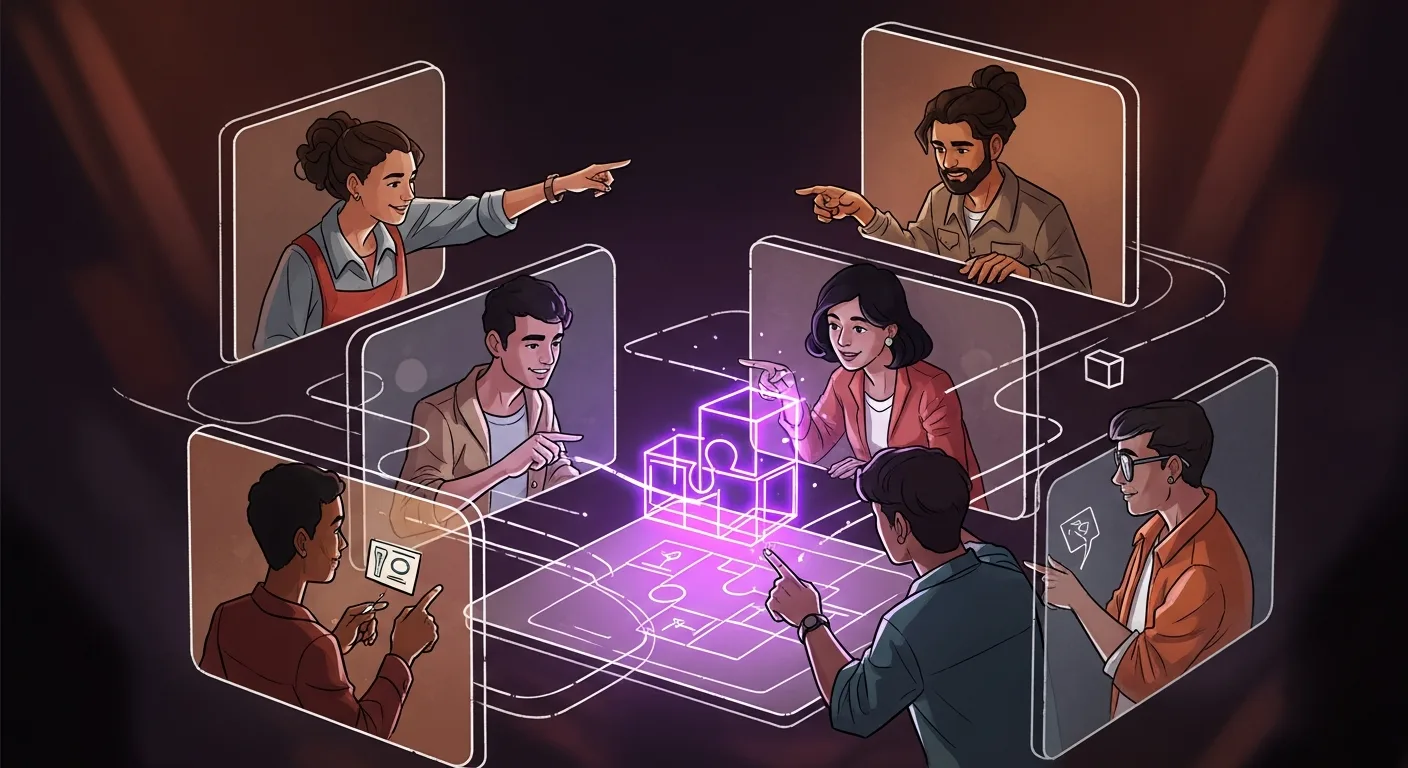

2020 से People Ops की planning में Remote Team Building Games की जगह तो पक्की हो गई है, लेकिन बजट जिस रफ्तार से बढ़ा है, नतीजे उस रफ्तार से नहीं बढ़े। HR Leaders quarterly events कराते हैं और फिर भी engagement survey के scores जस के तस रहते हैं। Zoom happy hours बंद नहीं हुए — बस vendor-hosted trivia rounds में बदल गए, जहाँ वही विनम्र उपस्थिति होती है और event के बाद Slack पर वही सन्नाटा। Tool बदला, लेकिन उसके पीछे की सोच नहीं बदली। वह सोच यह है: टीम को एक जगह जोड़ दो, तो जुड़ाव अपने आप आ जाएगा।
2020 के बाद से 50+ देशों की 300+ कंपनियों में 1,500+ virtual events के अनुभव के बाद जो pattern सामने आया है, वह ज़्यादातर People Ops leaders की उम्मीद से कहीं ज़्यादा स्थिर है। जो pattern हम सबसे अधिक देखते हैं, उसका game के चुनाव से लगभग कोई संबंध नहीं है। सब कुछ इस बात पर निर्भर करता है कि event आपकी टीम की असली संरचना के अनुरूप डिज़ाइन किया गया था, या उस संरचना के लिए जो आप चाहते थे।
Multiple time zones में फैली distributed teams के लिए कौन-से Remote Team Building Games वाकई काम करते हैं?
Remote Team Building Games वास्तव में कैसे काम करते हैं
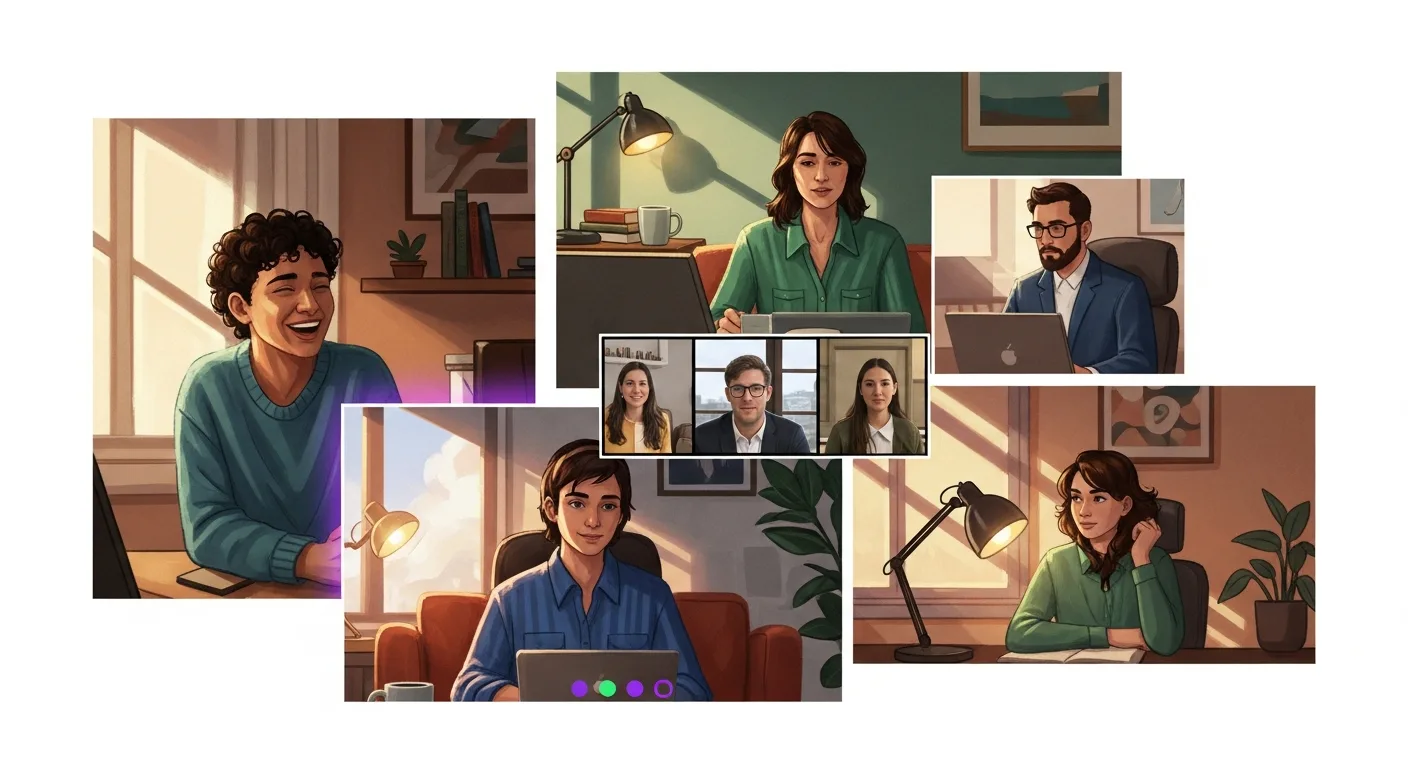
एक ऐसे Remote Team Building Game और एक ऐसे game के बीच का अंतर — जो वास्तविक जुड़ाव उत्पन्न करे बनाम जो पैंतालीस मिनट की विनम्र grid उपस्थिति दे — तीन mechanics पर आता है: narrative, team formation, और live leaderboard।
Narrative distributed players को काम से बाहर किसी ऐसी चीज़ से जोड़ता है जो सबको महत्वपूर्ण लगे। जब कोई टीम Last Temple Mystery में माया मंदिर में प्रवेश करती है, तो वे company values पर trivia questions के जवाब नहीं दे रहे। वे investigators के रूप में चार-मंज़िला expedition में आगे बढ़ रहे हैं — time pressure में symbols decode कर रहे हैं और यह बहस कर रहे हैं कि Storm Floor के किस रास्ते से सबसे कम points घटेंगे। stakes काल्पनिक हैं और सब जानते हैं। लेकिन coordination की गतिशीलता असली है, और याद भी। हम event के बाद ऐसे Slack threads देखते हैं जो हफ्तों बाद भी game के specific moments का ज़िक्र करते हैं: वह टीम जो Storm Floor में तब हार गई जब उन्हें लगा था कि उन्होंने सब समझ लिया है, वह breakout team जिसने वह shortcut ढूंढ लिया जो किसी और ने नहीं खोजा। Generic events ऐसी references नहीं बनाते। Narrative events बनाते हैं।
Team Formation दूसरा प्रमुख कारक है। अधिकांश video-call "team building" में 20-30 लोगों को एक Zoom में डाल दिया जाता है और उसे team कह दिया जाता है, लेकिन इतने बड़े समूह में coordination शोर बन जाता है, teamwork नहीं। HeySparko के हर game में 4-8 players की breakout teams होती हैं। इतनी छोटी कि हर व्यक्ति का योगदान बाकी सबको दिखे। इतनी बड़ी कि अलग-अलग सोचने के तरीके स्वाभाविक रूप से सामने आएं। जीतने वाली team वह नहीं होती जिसमें सबसे मजबूत व्यक्ति हों, बल्कि वह होती है जिसकी coordination pressure में भी टिकी रहती है। सैकड़ों events में यह pattern लगातार दिखा है: coordination की यह insight असली काम में वापस चली जाती है। वह colleague जिसके साथ आपने कभी सीधे काम नहीं किया था, लेकिन जो आपकी breakout team में सबसे तेज़ deductive thinker निकला — यह एक ऐसा weak tie था जो event से पहले था ही नहीं।
Leaderboard वह कड़ी है जो सभी breakout teams को एक साझा अनुभव से जोड़ती है। async formats में भी, जहाँ कोई एक साथ live नहीं होता, leaderboard लगातार update होती रहती है। लोग अपने play sessions के बीच उसे check करते हैं। Slack threads score positions के आसपास बनने लगते हैं। Leaderboard ही वह कारण है जिससे format का निर्णय इतना महत्वपूर्ण हो जाता है — real time में उसे बदलते देखने का अनुभव केवल synchronous play में मिलता है, जबकि leaderboard-as-social-thread time zones और दिनों के पार भी उतनी ही अच्छी तरह काम करती है।
एक technology team — लगभग 320 लोग, चार time zones में फैले — ने दो साल के quarterly Zoom happy hours के बाद अपना पहला structured game event कराया। उनके People Ops lead ने हमारी debrief में comparison सीधे शब्दों में रखा: happy hours में कंपनी के लगभग 40% लोग आते थे, और अगली सुबह तक post-event silence पूरी तरह छा जाती थी। Game event में 74% लोगों ने तीनों stages पूरे किए, और Slack channel पाँच दिनों तक active रहा। जो mechanic ने सब कुछ बदल दिया वह game का theme नहीं था। वह था coordination pressure और leaderboard।
Big Game या Marathon: वह Format निर्णय जो सबसे पहले आता है

HeySparko दो fundamentally अलग structures वाले event formats प्रदान करता है, और format का निर्णय game theme की चर्चा से पहले होना चाहिए। हम जो अधिकांश mismatched remote events देखते हैं, वे बुरी तरह execute नहीं हुए थे। वे टीम की असली संरचना से बुरी तरह matched थे।
Big Game synchronous format है: एक live 60-90 मिनट का event, सभी players एक साथ present, पूरी तरह एक HeySparko Game Host द्वारा hosted। कोई client MC का बोझ नहीं, इसलिए आपकी टीम players की तरह हिस्सा लेती है, producers की तरह नहीं। जब Big Game काम करता है तो उसकी ऊर्जा अद्वितीय होती है: real time में leaderboard को बदलते देखना जब आपकी breakout team final puzzle पर बहस कर रही हो, result post होते ही Slack thread का विस्फोट। Mission 8-Bit और Apocalypse Big Game format में खासतौर पर असरदार हैं क्योंकि उनके urgency mechanics (time pressure, specialist roles, racing finales) को पूरा असर दिखाने के लिए shared live moment चाहिए। Apocalypse का Stage 3 laboratory sequence asynchronously चलाने पर उसका लगभग 60% असर खो जाता है; बात यही है कि जब clock चल रही हो और दूसरी teams submit कर रही हों तब का tension ही इसे खास बनाता है।
Big Game तब सही विकल्प है जब आपकी टीम का एक genuine shared window हो — आमतौर पर छह घंटे या उससे कम का time zone spread। US + Western Europe काम करता है। जब Asia-Pacific उस mix में जुड़ता है जो पहले से Americas तक फैला हो, या जब 8+ time zones को पाटना हो, तो एक window ऐसी बनती है जो किसी के लिए materially नुकसानदेह होती है। और आपकी उस आधी team का जो किसी "fun event" में "शामिल होने" के लिए सुबह 6 बजे उठी — उसका social fallout असली है। वह event NPS में नहीं, अगले engagement survey में दर्ज होता है।
Marathon asynchronous format है: 1-5 दिनों के daily game episodes, एक schedule पर release, players अपने दिन की सुविधा के अनुसार participate करते हैं। कोई mandatory call window नहीं। Play के दौरान कोई host की ज़रूरत नहीं। Tokyo cohort अपने local time 3 बजे खेलता है; Austin cohort अपने local time 3 बजे खेलता है; दोनों उसी leaderboard में contribute करते हैं जो पूरे event duration तक चलती है। हमारे data में, distributed companies में Marathon events में opt-in events के लिए 65-78% completion rates देखी जाती हैं — यह figure इसलिए टिकी रहती है क्योंकि format calendars का सम्मान करता है, उन्हें override नहीं करता। हम forced-synchronous alternatives की तुलना में लगभग 35% अधिक total participants भी देखते हैं: जो लोग live events miss करते हैं वे disengaged नहीं हैं, वे बस किसी ऐसे time zone में हैं जिसने window को उनके लिए inaccessible बना दिया।
Marathon का सबसे महत्वपूर्ण operational variable game नहीं है — वह है mid-event communication। जो events Day 1 launch message भेजकर फिर चुप हो जाते हैं, वे उन events से कमज़ोर perform करते हैं जहाँ managers Day 2 पर एक brief team-position update post करते हैं। कुछ ऐसा: "हम 12 pods में से 5वें स्थान पर हैं, Day 2 कल सुबह release होगा" — इतना कम भी Day 2 और Day 3 completion में measurable lift देता है। Leaderboard pull बनाती है; manager urgency बनाता है। दोनों ज़रूरी हैं।
कब कौन-सा format:
- Big Game → shared live window उपलब्ध हो, real-time event की ऊर्जा चाहिए, kickoffs या holiday parties जहाँ synchronous moment का अपना महत्व हो
- Marathon → 8+ time zone spread, उन लोगों तक पहुँचना हो जो live events में नहीं आते, quarterly engagement programs जहाँ कई दिनों का sustained engagement एक 90-मिनट की window से बेहतर हो
अधिकांश distributed teams के लिए, ईमानदार default Marathon है। Big Game को उन moments के लिए बचाएं जब shared live experience खास तौर पर ज़रूरी हो।
अपनी Team की Culture से सही Game कैसे Match करें

Format तय होने के बाद, game का चुनाव दो variables पर आता है: energy level और experience type। HeySparko का catalog स्पष्ट रूप से दो हिस्सों में बँटता है: adventures (urgency और coordination mechanics के साथ time-pressured expeditions) और mysteries (deductive investigations जहाँ teams मिलकर एक साझा निष्कर्ष पर पहुँचती हैं)। कोई भी बेहतर नहीं है — वे अलग-अलग cultural profiles और occasions से match करते हैं।
Adventures तब सही हैं जब आप energy, urgency, और "हमने यह साथ मिलकर किया" का momentum चाहते हों। Apocalypse catalog में सबसे high-intensity option है — एक city outbreak के through चार-stage vaccine race जो team पर real time pressure डालती है और coordination patterns सामने लाती है जो day-to-day काम में कभी नहीं दिखते। यह Big Game format में 80 मिनट चलता है और 1-5 दिनों के Marathon के रूप में भी काम करता है। Engineering, fintech, और startup teams के लिए best fit जो urgency अच्छी तरह handle करते हैं; बहुत नई teams (90 दिनों से कम साथ) या formal enterprise audiences के लिए कम उपयुक्त।
Mission 8-Bit वह year-round adventure है जो kickoffs और quarterly events के लिए सबसे अच्छा काम करता है — तीन-stage arc (escape, rebuild, ship the patch) इस तरह technical teams के project phases की सोच से match करता है कि engineering managers Q1 के लिए इसे बार-बार book करते रहते हैं। 8-bit visual style और post-event sprite sheets team mementos बन जाते हैं जो महीनों बाद भी Slack avatars में दिखते हैं। Strong gaming culture या nostalgia रखने वाली teams के लिए इससे बेहतर मुश्किल है।
Last Temple Mystery adventure energy और deductive structure के बीच का सेतु है — एक चार-मंज़िला Mayan temple expedition जो pressure में coordination माँगती है लेकिन Apocalypse से धीमी चलती है और speed जितना observation को भी पुरस्कृत करती है। यह 15-person startups से 10,000-person enterprises तक cleanly scale करता है, और international mythology base का मतलब है कि यह global teams में बिना cultural adjustment के काम करता है। Anniversaries और summer events के लिए एक strong year-round option।
December events के लिए जहाँ आपकी टीम standard holiday programming से कुछ अलग चाहती है, Stolen Hours एक genre-bending cross-world chase प्रदान करता है — team postapocalyptic, cyberpunk, steampunk, और biopunk worlds से होकर दौड़ती है Christmas Eve से पहले चुराई गई clock hands वापस लाने के लिए। Pixar-style art genre palette के बावजूद इसे warm रखता है। Genre-fiction sensibilities वाली teams के लिए strong fit; international teams के लिए Marathon format के साथ pair करें।
Mysteries अलग तरह से काम करते हैं। Urgency के बजाय वे deliberation पैदा करते हैं। Teams साथ धीमे होती हैं, evidence compare करती हैं, alibis पर बहस करती हैं, और एक साझा निष्कर्ष पर पहुँचती हैं। Emotional payoff adventure से अलग है: "हमने यह pressure में किया" नहीं, बल्कि "हमने यह मिलकर सुलझाया।" Mystery के बाद teams invigorated की बजाय reflective होकर निकलती हैं।
Wintervald Hotel Mystery catalog में सबसे enterprise-appropriate game है — एक snow-bound hotel whodunit जो sophisticated Agatha Christie register में है और finance functions, legal teams, और C-suite cohorts के लिए काम करती है। No slapstick, कोई genre-specific prior knowledge ज़रूरी नहीं। जब Coca-Cola HBC ने formal corporate events कराए तो mystery deduction format एक consistent choice था क्योंकि यह cultures के पार बिना adaptation के travel करता है। Wintervald Hotel Mystery December में peak करता है और anniversaries के लिए year-round काम करता है।
Under the Big Top summer-energy companion है: same deduction mechanics, warm vintage-circus atmosphere में। एक missing performer, colorful suspects, एक reveal जो उन teams को भी चौंका देता है जिन्हें Stage 2 तक लगता था कि उन्होंने सुलझा लिया। Whimsical या culture-strong identities वाली companies के लिए well suited। Marathon format इसके लिए खास तौर पर उपयुक्त है — multi-day investigation rhythm teams को mystery में डुबो देती है, Slack पर theories asynchronously debate होती हैं, और finale तक teams पहुँचती हैं एक 90-minute synchronous event से कहीं ज़्यादा invested reasoning के साथ।
अगर आप चाहते हैं कि event आपके organization का लगे न कि किसी vendor का product, तो तीन customization tiers (NPC, Logo, और Story) किसी भी game और किसी भी format में add-ons के रूप में काम करते हैं। NPC आपकी company की आवाज़ और inside references को game के characters में शामिल करता है। Logo आपके brand को player के visual experience में डालता है। Story narrative arc को एक specific company moment के इर्द-गिर्द rewrite करता है: एक rebrand, एक product milestone, एक anniversary chapter। हर tier एक flat add-on है; details और current pricing हमारे pricing page पर हैं। लगभग 15% HeySparko events में कम से कम एक customization tier होता है, और जो events तीनों use करते हैं वे हमारे analytics reports में सबसे अधिक post-event engagement produce करते हैं।
Game का चुनाव format के बाद होना चाहिए, और cultural fit adventure-vs-mystery के निर्णय को drive करनी चाहिए। हम जो सबसे common mismatch देखते हैं वह कोई बुरा game नहीं है — वह एक high-energy adventure game है जो async format में उस team के लिए चलाया गया जिसे deliberation की ज़रूरत थी, या एक sophisticated mystery जो 45-minute Big Game slot में compress की गई जहाँ deduction को land करने का room नहीं था। container, content जितना ही मायने रखता है।
Remote Engagement के बारे में Research क्या कहती है
Remote Team Building का case anecdotal नहीं है, और इस category को जितना credit मिलता है research उससे कहीं अधिक ठोस है।
Deloitte की 2024 Global Human Capital Trends report ने पाया कि workplace microcultures को अपनाने वाले organizations 1.8× अधिक संभावना के साथ positive human outcomes और 1.6× अधिक संभावना के साथ desired business outcomes achieve करते हैं। साथ ही, 71% business और HR leaders कहते हैं कि individual teams और workgroups पर focus करना culture, agility, और fluidity विकसित करने की सबसे अच्छी जगह है। Team events के बारे में सोचने के लिए यह framing महत्वपूर्ण है: एक team-level event अपने आप में एक microculture intervention है। Team-level पर operate करने वाले structured games — जिनके बाद team-specific analytics दी जाती हैं — उन कुछ engagement instruments में से हैं जो वहाँ काम करते हैं जहाँ surveyed leaders ने कहा कि असली action है — workgroup level पर — न कि उस org-wide layer पर जहाँ अधिकांश programs रहते हैं और बिखर जाते हैं।
Anog et al. की 2023 की systematic review (60+ studies, SSRN) ने पाया कि structured team-building activities consistently satisfaction बढ़ाती हैं और turnover घटाती हैं, और effects तब और अधिक होते हैं जब इन्हें one-off events की बजाय एक broader development strategy में integrate किया जाए। यह academic framing महत्वपूर्ण है क्योंकि यह Finance की सबसे सामान्य आपत्ति को address करती है: "हमने एक game कराया, fun था, फिर कुछ नहीं बदला।" Research दिखाती है कि effects recurring events के साथ compound होते हैं। एक quarter में एक Marathon, लगातार तीन quarters में, तीन separate games नहीं हैं — यह measurable trajectory वाला एक engagement program है, और वह trajectory ही retention impact produce करती है।
Microsoft के 2024 Work Trend Index ने पाया कि 57% distributed workers live events की बजाय asynchronous engagement options prefer करते हैं। हमारे अपने Marathon data में, लगभग 35% completers वे लोग हैं जो consistently live events में नहीं आते। इन figures को मिलाने पर budget justification के लिए implication concrete है: अधिकांश distributed teams के एक significant segment कभी एक synchronous Big Game event में नहीं आएंगे। अगर आपका एकमात्र format live है, तो आप structurally अपने potential participants के एक-तिहाई को event launch से पहले ही exclude कर रहे हैं। दोनों formats offer करना preference accommodation नहीं है — यह distributed engagement का math है।
Deloitte की 2025 Global Human Capital Trends report — जिसमें 95 देशों के 14,000+ executives और HR leaders का data है — ने पाया कि 88% executives अब belonging को अपनी top three HR priorities में रखते हैं। Belonging बनाना satisfaction से कठिन है — इसके लिए shared reference points चाहिए जो समय के साथ accumulate हों और org-level messaging से manufacture होना मुश्किल हो। Structured narrative games, consistently run, उन कुछ mechanisms में से हैं जो scale पर shared reference points बनाते हैं। BGaming के लिए उनकी ~400-person international team की anniversary event में, 23% engineering cohort ने अगले महीने के engagement survey free-response में event का specifically ज़िक्र किया — prompted नहीं, guided नहीं, बस इसलिए mentioned क्योंकि experience इतना specific था कि memorable बन गया। यही specificity वह नींव है जिस पर belonging बनती है।
Sustained engagement programs का financial justification directly यहाँ से आता है। SHRM की 2024 cost-per-departure research में average non-executive replacement costs recruiting, onboarding, और productivity-ramp time को मिलाकर अच्छे-खासे पाँच figures तक पहुँचती हैं। CultureAmp की 2024-2025 State of Culture report ने पाया कि above-median engagement scores वाली companies में below-median peers की तुलना में 31% कम voluntary turnover होता है। 200-person team के लिए quarterly Marathon events का एक recurring game-based engagement program एक single voluntary departure की cost के एक fraction में आता है। यह एक defensible ROI वाला retention instrument है, और team-level analytics की specificity इसे उन कुछ People Ops programs में से एक बनाती है जहाँ आप team-by-team data दिखा सकते हैं, न कि वे company-wide averages जिन्हें Finance पहले से skepticism के साथ देखता है।
वह comparison जो executive conversations में सबसे clearly land करता है: 200 लोगों के लिए quarterly Marathon की cost एक analyst खोने की cost से कम है। Replacement hire की cost नहीं। उस व्यक्ति को खोने की cost जो पहले से seat पर है।
अक्सर पूछे जाने वाले प्रश्न
एक Remote Team Building Game में कितने लोग participate कर सकते हैं?
HeySparko के games एक single session में 5 players से 10,000 तक scale करते हैं। छोटे समूहों (50 से कम) को वह tight-knit adventure feel मिलती है जहाँ हर व्यक्ति का योगदान दिखता है। बड़े समूह 4-8 की competing breakout teams में बँट जाते हैं, सभी एक ही shared leaderboard के लिए। हम एक साथ 6,000+ employees के लिए events run कर चुके हैं — Coca-Cola HBC LearnFest 2021 closing event 28 देशों के employees तक पहुँचा। Experience की quality के लिए headcount से ज़्यादा format मायने रखता है।
Remote Teams के लिए Big Game और Marathon में क्या फर्क है?
Big Game synchronous है: सब एक साथ खेलते हैं, 60-90 minute live event में, HeySparko Game Host द्वारा hosted, client पर कोई production burden नहीं। Marathon asynchronous है: 1-5 दिनों के daily game episode releases जो players अपने schedule पर complete करते हैं, कोई shared window ज़रूरी नहीं। Big Game higher shared energy देता है जब आपका time zone spread allow करे। Marathon हर time zone में distributed teams तक किसी को सुबह 6 बजे की call में force किए बिना पहुँचता है, और आमतौर पर forced-synchronous alternatives की तुलना में 35% अधिक participants लाता है। सही format आपके time zone spread और इस बात पर निर्भर करता है कि synchronous live moment खास तौर पर आपको चाहिए या नहीं।
क्या participants को कोई Software download करना होगा?
कोई download नहीं, कोई account creation नहीं। सारी game activity एक standard browser में चलती है — players एक link के ज़रिए join करते हैं, जो उन teams के लिए important है जो corporate-managed devices पर हैं जहाँ IT control करता है कि क्या install हो सकता है। हम enterprise security teams के लिए locked-down device policies पर बिना किसी single IT incident के events run कर चुके हैं। कोई app store installs नहीं, कोई plugins नहीं, player side पर कोई IT tickets नहीं। Game Host सारा technical orchestration manage करता है; आपकी team को बस एक browser और एक calendar block चाहिए।
अपनी Team की Culture के लिए सही Game कैसे चुनें?
पहला निर्णय adventure बनाम mystery है। Adventures, जैसे Last Temple Mystery या Apocalypse, time-pressured expeditions हैं जो urgency में speed और coordination को reward करते हैं। Mysteries, जैसे Wintervald Hotel Mystery, deductive investigations हैं जहाँ team मिलकर एक साझा निष्कर्ष तक पहुँचती है। High-energy cultures, engineering और fintech teams, और kickoff contexts adventures के साथ बेहतर land करते हैं। Enterprise, formal, या mixed-seniority groups अक्सर mystery की sophistication prefer करते हैं। Company size से ज़्यादा culture एक stronger predictor है।
Remote Team Building Event plan करने में कितना समय लगता है?
बिना customization के standard Big Game या Marathon के लिए, दस business days एक comfortable minimum है। हमने urgent situations के लिए tighter timelines पर भी काम किया है, लेकिन दस दिन proper pre-event communication और logistics setup के लिए allow करते हैं। Customization के लिए अधिक lead time चाहिए: Logo branding के लिए 7 दिन, NPC character work के लिए 14 दिन, Story narrative rewriting के लिए 21 दिन। 500+ लोगों के company-wide events के लिए minimum दो सप्ताह ज़रूरी हैं ताकि pre-event communications rushed न लगें। December events, खासकर पहले दो हफ्ते, हफ्तों पहले book हो जाते हैं क्योंकि कई companies overlapping windows के लिए schedule करती हैं।
यह कैसे measure करें कि Remote Team Building Event वास्तव में काम किया?
HeySparko event के 24 घंटों के भीतर एक analytics report deliver करता है: participation rate, team-by-team engagement breakdown, game stage के अनुसार coordination metrics, और एक post-event NPS pulse। Pre/post impact measurement के लिए, event से पहले और पाँच दिन बाद एक तीन-सवाल का engagement pulse send करें। वह metric जो HR Leaders को सबसे ज़्यादा surprise करती है वह है by-team breakdown — यह आमतौर पर workgroup-level variance दिखाती है जो company-wide survey averages छुपा देते हैं। जैसा कि Deloitte की microcultures research ने पाया, 71% business और HR leaders कहते हैं कि individual teams और workgroups पर focus करना culture cultivate करने की सबसे अच्छी जगह है; एक game event के team-level analytics उन कुछ mechanisms में से हैं जो उस workgroup variance को एक non-threatening context में visible बनाते हैं।