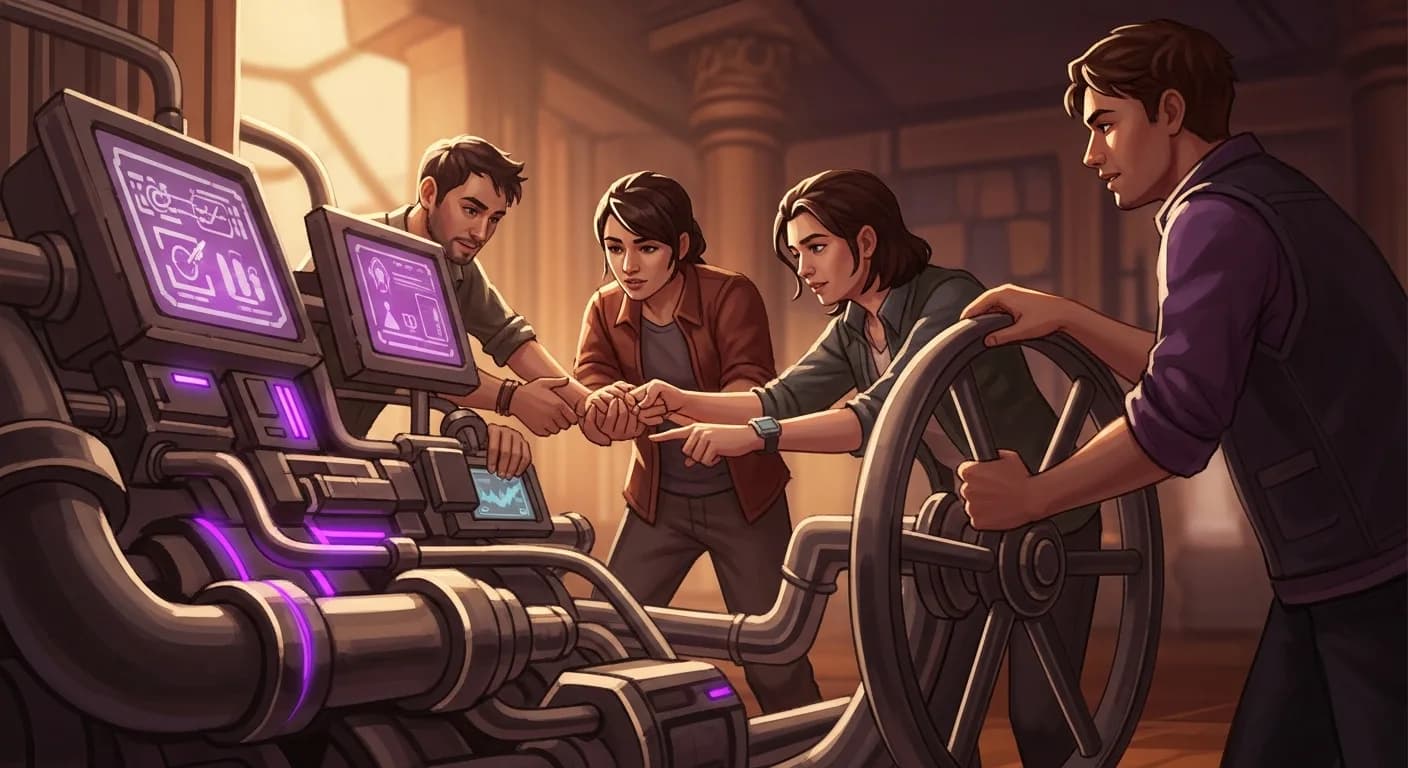

People Ops managers कब से सिर्फ events book करने से आगे निकलकर पूरे engagement programs के मालिक बन गए — यह बदलाव 2020 के बाद धीरे-धीरे हुआ, लेकिन 2024 तक यह पूरी तरह हो चुका था। अब virtual team building एक budget line item है जिस पर executive की नज़र है, KPI लगा है, और हर साल renewal की बातचीत होती है। 2020 से हमने 50+ देशों की 300+ कंपनियों के लिए virtual team events deliver किए हैं — portfolio में अब तक 1,500+ events हैं। जिन People Ops teams को सबसे अच्छे results मिलते हैं, वे हर event को एक staged operation की तरह चलाती हैं — न कि एक vendor call और फिर Zoom link।
जो team event Slack में screenshot होकर घूमता है और जो अगले engagement survey में कुछ हिलाता है — इन दोनों का फ़र्क़ लगभग कभी game खुद में नहीं होता। फ़र्क़ होता है brief में, format के फ़ैसले में, pre-event communications में, और बाद में analytics के साथ क्या किया जाता है — इसमें।
People Operations managers ऐसे virtual team building events कैसे चलाते हैं जो engagement scores में सुधार लाएं?
Stage 1: Booking से पहले Brief से शुरुआत करें
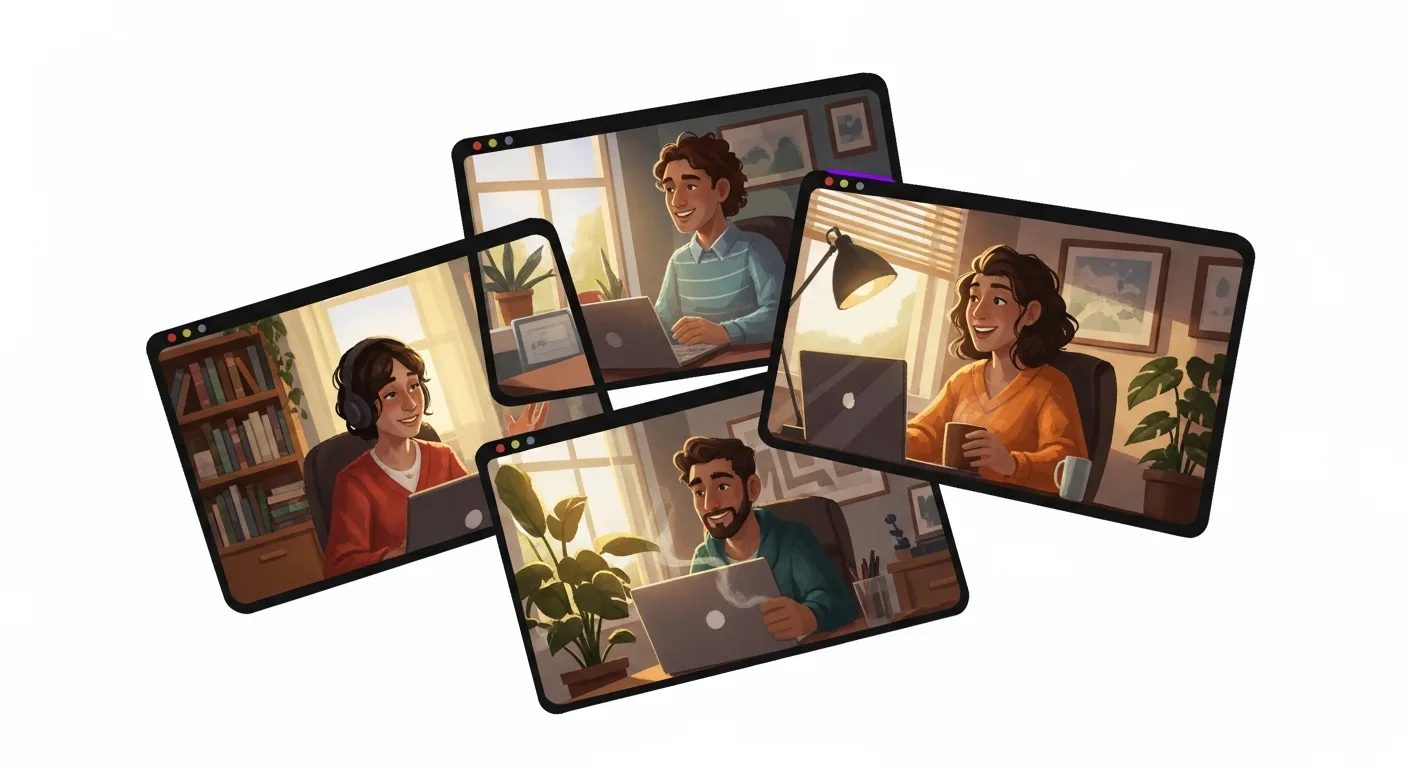
कोई game चुनने या vendor के पास जाने से पहले, जो People Ops leads अच्छे नतीजे देते हैं वे 30-60 मिनट एक छोटे event brief पर लगाते हैं। कोई 12 पेज का requirements document नहीं — बस पाँच fields जो वे सारे decisions force करती हैं जिनसे बाकी सब आता है।
Group size और structure. कितने लोग? क्या वे एक team के रूप में हैं या cross-functional pods में? Group size तय करती है कि कौन सा format physically possible है। Big Game और Marathon दोनों 50-500 के sweet spot के लिए अच्छे हैं, लेकिन इनकी logistics काफ़ी अलग हैं। Size यह भी तय करती है कि gameplay के दौरान कितने breakout teams होंगे। हमारा standard है 5-8 players प्रति breakout, और 8 से ज़्यादा होने पर engagement लगातार कम होती है क्योंकि लोग participate करने की जगह देखते रहते हैं।
Time zone spread. अगर आपकी team 6 घंटे के spread में fit हो जाती है, तो एक live event window realistic है। अगर आप 8+ time zones में फैले हैं, तो वह window बिना किसी को 6am या 11pm call पर force किए exist नहीं करती। यह preference नहीं है। यह एक constraint है जो format का फ़ैसला आपसे पहले कर लेती है — किसी vendor की pricing page खोलने से पहले।
Culture और tone. Engineering-led startup और legal या finance function के बीच का फ़र्क़ planning process में कहीं और से ज़्यादा game selection पर मायने रखता है। गलत game को गलत culture से match करना हमारे catalog की सबसे महंगी गलती है — dollars में नहीं, बल्कि उन post-event survey comments में जो आप renewal के समय भी पढ़ रहे होते हैं।
Occasion और calendar. Anniversary, Q1 kickoff, culture week, और holiday party की energy requirements और lead-time realities अलग होती हैं। यह field game choice को catalog खोलने से पहले anchor करती है।
Budget range और sign-off path. कोई itemized quote नहीं — एक rough range और कितने approval signatures चाहिए। यह जानना कि एक sign-off चाहिए या दो, तय करता है कि आप 2-week या 6-week booking timeline की तरफ काम कर रहे हैं। ये genuinely अलग planning realities हैं।
हमारे अनुभव में, जो People Ops leads brief छोड़कर सीधे vendor browsing पर जाते हैं, वे उन लोगों से 2-3× ज़्यादा समय evaluation में लगाते हैं जो पहले 45 मिनट इसपर देते हैं। Brief overhead नहीं है — यह decisions को तेज़ करने का ज़रिया है।
Timing: Event date से 4-6 हफ्ते पहले। Story customization (पूरी narrative rewrite) के लिए 2 हफ्ते और जोड़ें। Responsibility: People Ops lead, HR Director या VP of People के साथ 20-minute check-in — budget range और executive attendance पर alignment के लिए।
Stage 2: Format का फ़ैसला — Big Game या Marathon
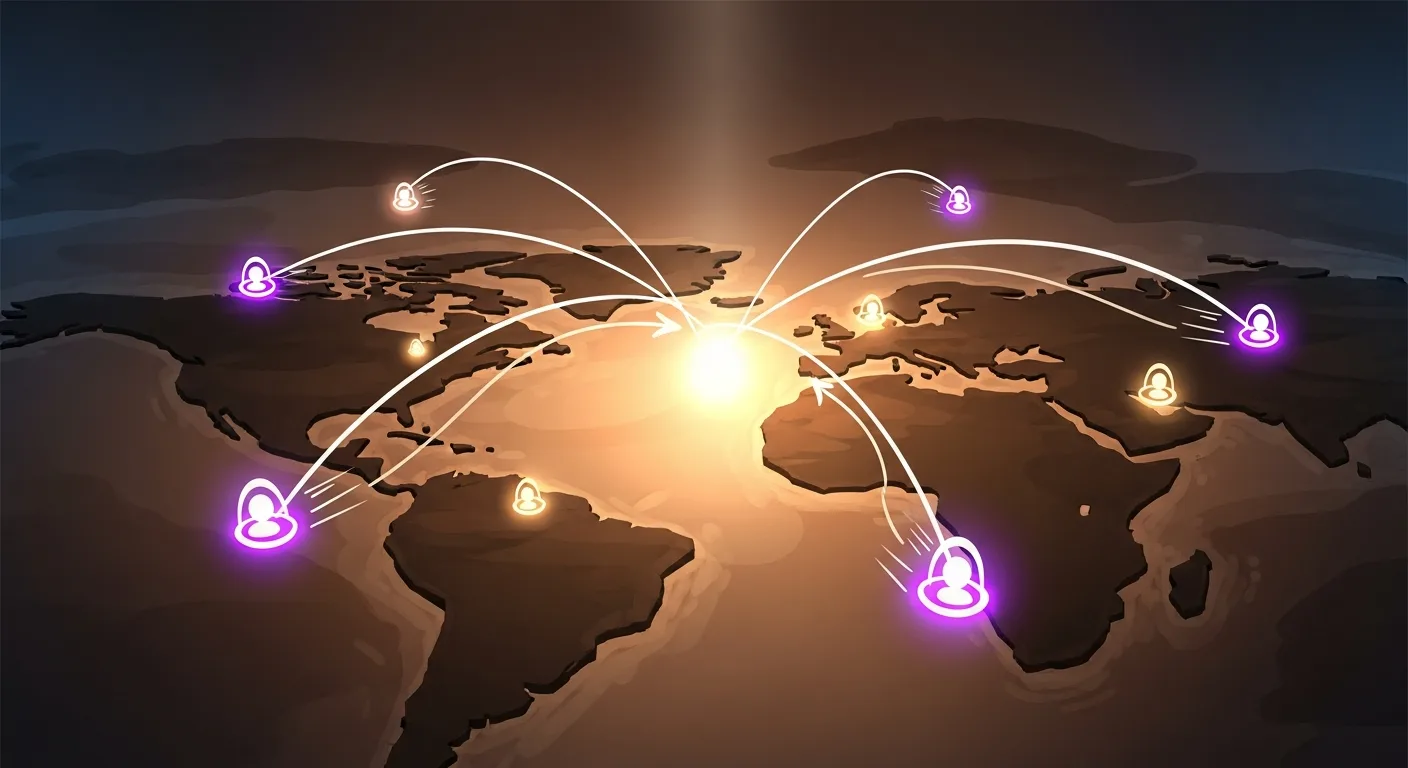
Brief होने के बाद, format का फ़ैसला काफ़ी हद तक mechanical है। Big Game और Marathon अलग-अलग situations के लिए बने हैं, और गलती "बेहतर" format ढूंढने की कोशिश में है, न कि इस specific team और moment के लिए सही format ढूंढने की।
Big Game एक single live 60-90 मिनट का synchronous event है। सभी एक ही Zoom पर एक ही समय पर हैं, पूरी तरह HeySparko Game Host द्वारा चलाया जाता है — आपकी team players के रूप में participate करती है, coordinators के रूप में नहीं। Energy high होती है, leaderboard real time में बदलता है, और shared live experience ही बात है। यह उन groups के लिए सबसे अच्छा काम करता है जो 6-hour time-zone spread में हों: single-site teams, regional offices, ऐसी कंपनियां जहाँ ज़्यादातर workforce एक continent share करती हो।
BGaming ने अपनी multi-year company anniversary को करीब 400 employees के लिए Big Game के रूप में full NPC, Logo, और Story customization के साथ चलाया। Participation 75% के target के मुकाबले 89% रही। इसके काम करने की मुख्य वजह: सभी event window में आ सकते थे। यह obvious लगता है — जब तक आपने एक live event उस team के लिए नहीं चलाया हो जो नहीं आ सकती थी।
Marathon 1-5 दिन का asynchronous format है जिसमें daily content episodes होते हैं। Players हर दिन अपने schedule के अनुसार engage करते हैं; एक shared leaderboard बिना किसी को single Zoom slot के लिए coordinate किए दिनों में pull और competition बनाता है। 500+ कंपनियों के हमारे data में Marathon completion rates 65-78% चलती हैं, और Marathon forced-synchronous alternatives की तुलना में लगभग 35% ज़्यादा participants तक पहुंचता है — क्योंकि वह 35% आपकी team का वह हिस्सा है जो mandatory live events में नहीं आता लेकिन अपनी शर्तों पर engage करता है।
Crossover cases एक simple rule follow करते हैं: एक region में 200 से कम → लगभग हमेशा Big Game। EMEA, APAC, और Americas में फैले 300 से ज़्यादा → लगभग हमेशा Marathon। 4-5 time zones में 150-300 के लिए, brief का culture field तय करता है। Async-preference culture जहाँ calendar पर pushback हो → Marathon। "हम actually एक shared live moment पसंद करते हैं" वाली culture जहाँ leadership visibly present रहेगी → 2-3 regional windows के साथ Big Game।
Stolen Hours और Bureau of Magical Affairs दोनों formats में चलते हैं। Game mechanics Big Game और Marathon दोनों में naturally translate होते हैं। Catalog का ज़्यादातर हिस्सा ऐसा ही है। जो adapt नहीं होता वह है आपकी team की actual time-zone reality।
Microsoft के 2024 Work Trend Index में पाया गया कि 57% distributed workers live options की बजाय asynchronous engagement options prefer करते हैं। हम यह preference अपने booking data में भी देखते हैं, लेकिन हम ऐसी teams भी देखते हैं जहाँ live-event energy exactly वही है जो एक event को worth running बनाती है। सवाल कभी यह नहीं है कि abstract में कौन सा format बेहतर है। सवाल है: आप जिस team के लिए plan कर रहे हैं, उसके लिए कौन सा format fit है।
Timing: Format का फ़ैसला vendors के पास जाने से पहले lock हो जाए। यह pricing structure, lead time, और game selection को affect करता है। Responsibility: People Ops lead initial call लेता है; अगर executive attendance एक core design requirement है तो HR Director weighs in करता है।
Stage 3: Game Selection — Narrative को Culture से Match करें
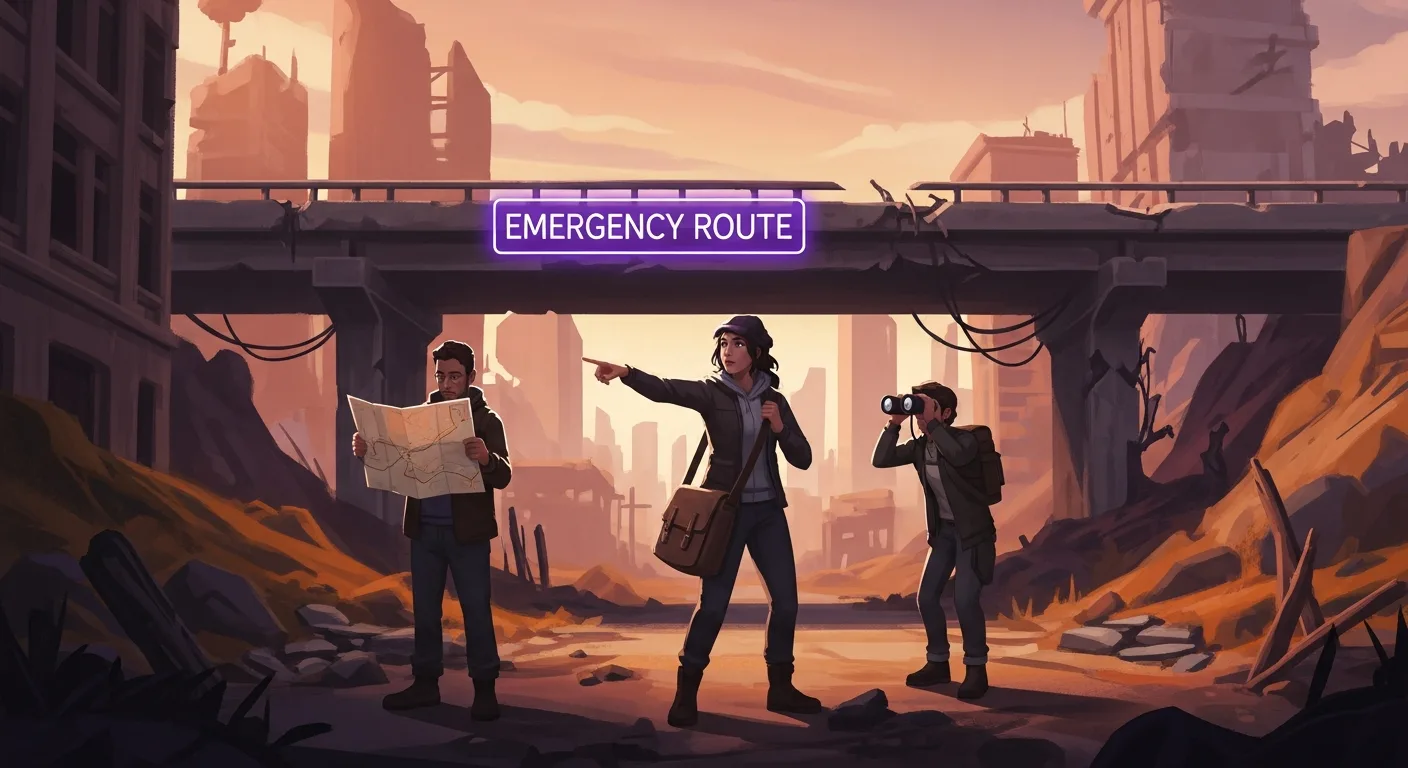
Format decide होने और brief हाथ में होने के बाद, game selection आमतौर पर 20 मिनट की conversation है, न कि 3-week research project। Catalog दो axes पर काम करता है: adventure बनाम mystery और energy level। ये दो dimensions ज़्यादातर decisions resolve कर देते हैं।
High-urgency adventure games उन tech, engineering, और product teams के लिए काम करते हैं जो experience में coordination pressure चाहते हैं। Apocalypse (चार collapsing city locations में post-apocalyptic vaccine race) वह game है जहाँ teams Stage 2 तक खुद specialists में organize हो जाती हैं। Engineering managers जो care करते हैं कि उनके लोग time pressure में कैसे coordinate करते हैं, वे इसे specifically उस dynamic के लिए book करते हैं। Stylized 2D art इसे stressful की जगह energizing रखता है (कोई body horror नहीं, कोई jump scare नहीं), लेकिन time pressure genuine है और बाद में आने वाले analytics uniquely informative होते हैं।
Mission 8-Bit अलग energy चलाता है: retro-tech nostalgia, एक three-act structure (office से निकलो → 1980s की machine rebuild करो → patch ship करो), और 8-bit avatars जो team Slack icons और stickers के रूप में घर ले जाती है। हम इसे Q1 kickoffs के लिए सबसे ज़्यादा book करते हैं क्योंकि three-stage structure directly quarterly project rhythm से map होती है। Engineering managers जिन्होंने इसे दो बार चलाया है वे lasting artifact — #general में team के sprites का जीते रहना — को ऐसी चीज़ बताते हैं जो engagement को 90-minute event से काफ़ी आगे extend करती है।
Mysteries mechanic को urgency से deduction की तरफ shift करते हैं। Wintervald Hotel Mystery catalog का सबसे enterprise-safe game है: एक snow-bound whodunit जिसका tone Knives Out के करीब है, न कि किसी ऐसी चीज़ के जो buttoned-up finance function को असहज करे। यह December का वह game है जो हम legal और compliance teams, C-suite audiences, और ऐसी जगहों के लिए recommend करते हैं जहाँ office-comedy parody गलत land करे। Under the Big Top उसी deduction mechanic को vintage circus setting में चलाता है (sophisticated elegance की जगह warm whimsy) और summer events में तथा ऐसी creative teams के लिए particularly अच्छा perform करता है जहाँ hotel setting थोड़ा formal लगे।
Bureau of Magical Affairs अपनी अलग category में है। चार bureaucratic magical emergencies, 90 मिनट, newly-deputized Bureau agents chaos में काम कर रहे हैं जो actual first-week onboarding को mirror करती है। Clients ने इसे 100+ consecutive new-hire orientation cohorts के लिए चलाया है, और यह hold करता है क्योंकि premise एक genuine workplace comedy है — एक साथ बहुत कुछ जल रहा है — जिसे ज़्यादातर नए employees तुरंत पहचान लेते हैं।
Customization पर एक नोट। जब event को vendor product की जगह आपका feel देना हो, तो तीन add-on tiers काम करते हैं: NPC आपकी team की आवाज़ें characters में डालता है; Logo आपके brand को game environment में integrate करता है; Story game की पूरी narrative को आपकी company की actual situation के इर्द-गिर्द rewrite करता है। तीनों flat-rate add-ons के रूप में चलते हैं, player count या format चाहे जो हो। Current details के लिए HeySparko की pricing page देखें। हमारे करीब 15% events में कम से कम एक customization tier होती है, और full NPC + Logo + Story customization वाले events consistently सबसे high post-event NPS produce करते हैं।
Timing: Game कम से कम 3 हफ्ते पहले finalize हो जाए। (Logo के लिए minimum 7 दिन, NPC के लिए 14, Story के लिए 21।) Responsibility: People Ops lead चुनता है, brief के cultural notes refer करके।
Stage 4: Pre-Event Communications जो Turnout लाएं
People Ops event lifecycle में सबसे कम invest किया गया stage event शुरू होने से 2 हफ्ते पहले की window है। एक बार event शुरू हो जाए, Game Host सब कुछ handle करता है — आपकी team का काम है show up करना और खेलना। आपकी invite list का 60% आए या 90% — यह पूरी तरह pre-event communication sequence पर है।
हमने यह pattern अपने client base में consistently देखा है: जो कंपनियां एक calendar invite भेजकर attendance expect करती हैं उन्हें 50-65% turnout मिलती है। जो कंपनियां 3-touch pre-event sequence चलाती हैं वे reliably 80-90% hit करती हैं।
जो sequence काम करती है:
T-minus 14 days — Announcement। Occasion का नाम लें, format को over-explain किए बिना tease करें, calendar invite anchor करें। Event शुरू होने से पहले game को over-explain करना आपके against काम करता है — यह anticipation की जगह homework anxiety create करता है। Announcement का goal curiosity create करना है, participants को brief करना नहीं।
T-minus 7 days — The hook। एक asset: 30-second teaser clip, game environment का screenshot, या एक single puzzle clue। Goal है event को abstract की जगह real feel कराना। Slack पर manager reposts People Ops-only post की 2-3× reach drive करते हैं — यहीं communications plan में manager layer अपनी जगह earn करती है। अगर manager hook re-share नहीं करता, तो आपने significant turnout table पर छोड़ दिया है।
T-minus 24 hours — Logistics और reassurance। Zoom link, format overview (5-6 की team, fully hosted, कोई install नहीं), और एक crucial sentence: "आपको कुछ भी तैयार करने की ज़रूरत नहीं।" "अगर मुझे answers नहीं पता तो क्या मैं embarrass होऊंगा?" — यह anxiety async और live दोनों formats के लिए एक real turnout killer है। Final message में इसे explicitly address करने का measurable फ़ायदा उसी दिन दिखता है।
Timing: Sequence event date से 14 दिन पहले शुरू होती है। Responsibility: People Ops lead तीनों messages लिखता है; managers T-7 hook Slack के ज़रिए distribute करते हैं।
क्या गलत हो सकता है — वे Failure Modes जो बार-बार आते हैं
जिस People Ops manager ने कुछ से ज़्यादा events चलाए हैं, उसके पास कम से कम एक ऐसी कहानी है जो वे industry gatherings में धीरे से सुनाते हैं। हमने सैकड़ों ऐसी कहानियां सुनी हैं। Failure patterns remarkably consistent हैं — और लगभग सभी preventable हैं अगर आप जानते हों कि देखना कहाँ है।
Culture के लिए गलत game। Apocalypse के urgency mechanics engineering team के लिए electrifying हैं जो pressure में problem-solve करना चाहती है। लेकिन एक buttoned-up legal function के लिए जो पहला virtual event कर रही है, वही urgency fun की जगह stressful लगती है। वहाँ Wintervald Hotel Mystery cleanly land होता। Game fit कोई subjective feel नहीं है; यह Brief का एक सवाल है जिसका जवाब Stage 1 में document किए गए cultural और tone notes से मिलता है। Brief skip करना ही वह जगह है जहाँ से यह failure शुरू होती है।
Distributed team पर live event force करना। हमने यह दो तरीकों से खत्म होते देखा है: या तो invite list का 40% "नहीं आ सकता" और event अपना leaderboard tension खो देता है, या incompatible time zones वाले लोग 5am पर join करते हैं और वही engagement response produce करते हैं जो आप 5am पर mandatory fun से expect करेंगे। Format का फ़ैसला आपके actual roster के time-zone spread से होता है। यह live events के बारे में आपकी preference नहीं है।
Pre-event communications skip करना। एक calendar invite 90% attendance नहीं produce करती। First-time clients की सबसे common गलती है Zoom link भेजना, फिर wonder करना कि company के significant हिस्से का "कोई conflict था।" Stage 4 की 3-touch sequence optional नहीं है; यह वह mechanism है जो turnout drive करती है, और turnout ही leaderboard को इतना competitive बनाता है कि real energy create हो।
Lead time को underestimate करना। Stock game के लिए बिना customization के, 5 business days technically enough है। NPC customization के लिए minimum 14 दिन। Story customization के लिए 21 दिन। हर November हमें यही सवाल आता है: "क्या हम अगले गुरुवार के लिए कुछ book कर सकते हैं?" जवाब पूरी तरह इस पर depend करता है कि आप किस तरह का event चलाना चाहते हैं। Brief जितनी जल्दी आए, उतने ज़्यादा options खुले रहते हैं।
Post-event data capture नहीं होना। Event खत्म होता है, analytics report HR Director के inbox में पहुँचती है, और एक हफ्ते में event सिर्फ एक memory रह जाता है। छह महीने बाद, renewal time पर, इस बात का कोई documented evidence नहीं है कि इसने क्या produce किया। Fix low-overhead है: हर event के साथ एक 3-question pre/post pulse survey pair करें और event के बाद वाले हफ्ते का engagement data event से पहले वाले हफ्ते से compare करें। Events को renew करना — और budget defend करना — तब dramatically आसान होता है जब कोई number attached हो, चाहे approximate ही क्यों न हो।
Event को standalone treat करना। जो highest-performing People Ops programs हम देखते हैं वे एक annual team event चलाकर done नहीं कहते। वे quarterly cadence चलाते हैं — हर बार अलग games, shared experience का एक rhythm build करते हुए जो compound करता है। New-hire cohorts के लिए Bureau of Magical Affairs, Q1 kickoffs के लिए Mission 8-Bit, उन culture या learning weeks के लिए Adventure Through the Ages जहाँ teams coordination pressure की जगह exploratory narrative variety चाहती हैं, quieter summer weeks में Under the Big Top, December में Wintervald Hotel Mystery। Leaderboard history team culture का हिस्सा बन जाती है — जिसे लोग event के महीनों बाद 1:1s और Slack channels में reference करते हैं।
Research Team Building और Engagement के बारे में क्या कहती है
Structured team building को एक engagement intervention के रूप में — anecdote से evidence तक का सफ़र — पिछले कुछ सालों में पूरा हुआ है। जो numbers People Ops managers Finance को budget case बनाने के लिए use करते हैं, वे अब well-sourced और specific हैं।
Owl Labs की State of Hybrid Work 2025 report में पाया गया कि supportive manager एक top workplace factor बना हुआ है, जिससे US के 89% employees सहमत हैं। Methodology बड़े meta-studies से अलग है, लेकिन conclusion एक ही जगह पहुँचती है: direct manager वह single biggest lever है जो यह तय करती है कि team कितना engaged feel करती है — company नहीं, role नहीं, compensation structure नहीं। इसका मतलब है कि engagement events, जब ठीक से frame किए जाएं, manager के toolkit का हिस्सा हैं — अलग "HR program" नहीं। जो People Ops manager events को employee perks की जगह manager-enablement के रूप में present करता है, उसे executive buy-in तेज़ मिलती है।
Structured team building का academic evidence और rigorous हुआ है। SSRN पर 2023 में publish Anog et al. के एक systematic review ने team-building interventions पर 60+ peer-reviewed studies analyze किए और पाया कि structured activities satisfaction बढ़ाती हैं और turnover कम करती हैं — effects तब amplified होते हैं जब events को isolated one-offs की जगह broader development और recognition strategy में integrate किया जाए। यह "integrated into broader strategy" finding directly उस quarterly-cadence approach से map होती है जो हमारे own data में सबसे अच्छा perform करती है।
Deloitte की 2024 Burnout in the Workplace report, 1,000+ US full-time workers के data से, में पाया गया कि जो employees प्रति quarter दो या उससे ज़्यादा company-sponsored engagement events में शामिल हुए उन्होंने किसी में शामिल न होने वालों की तुलना में 23% कम burnout symptoms report किए। Report ने यह भी identify किया कि "recognition की कमी" 2024 में top burnout driver बन गई — पहली बार workload को पीछे छोड़ते हुए। Recognition और shared experience exactly वही है जो structured team events directly deliver करते हैं — यही वजह है कि engagement-event → burnout-reduction का link उतना indirect नहीं जितना पहले लग सकता है।
CultureAmp की 2024-2025 State of Culture report, 5,000+ HR practitioners के data से, में पाया गया कि above-median engagement scores वाली कंपनियों में below-median वाली कंपनियों की तुलना में 31% कम voluntary turnover है। यह भी पाया गया कि monthly cadence पर चलने वाले recognition programs ad-hoc programs की तुलना में 2.4× higher engagement produce करते हैं। यही वह financial argument है जो People Ops managers leadership तक लाते हैं: quarterly team events चलाने की cost एक भी mid-level departure की cost का एक हिस्सा है — जिसे SHRM का 2024 calculation recruiting और ramp time मिलाकर per non-executive hire tens of thousands of dollars रखता है।
हमारा खुद का data third-party research को context देता है। 2020 से facilitate किए गए 1,500+ virtual events में, Marathon format events participating companies में 65-78% completion rates देखते हैं — उन्हीं distributed teams के live event attendance rates से meaningfully ज़्यादा। और Marathon forced-synchronous alternatives की तुलना में invite list के लगभग 35% ज़्यादा participants तक पहुंचता है, क्योंकि वह 35% remote employees का वह हिस्सा है जो mandatory Zoom events पर नहीं आता लेकिन जब format उनके schedule का सम्मान करे तो actively engage करता है।
इस सारी picture से यही निकलता है: structured, cadenced, well-matched team events engagement numbers move करते हैं। Key word है "cadenced।" एक event per year एक memory produce करता है। चार events per year, अलग-अलग games और अलग occasions से mapped — एक pattern produce करते हैं। और patterns ही survey data में दिखते हैं।
अक्सर पूछे जाने वाले सवाल
People Operations managers को virtual team building event book करने के लिए कितना lead time चाहिए?
Stock game के लिए बिना customization के, technically 5 business days enough हैं — हालांकि 2-3 हफ्ते आपको proper pre-event communication sequence चलाने का समय देते हैं, जो directly turnout affect करती है। NPC customization के लिए कम से कम 14 दिन रखें। Story customization (आपकी company की situation से tied full narrative rewrite) के लिए minimum 21 दिन। Stage 1 में हम जो brief recommend करते हैं वह 45 मिनट लेती है और आपके सभी options खुले रखती है।
People Operations managers leadership को team building budgets कैसे justify करते हैं?
सबसे clean justification chain financial है: SHRM का 2024 data एक non-executive departure की cost recruiting और ramp time मिलाकर tens of thousands of dollars रखता है। एक quarterly team event program एक mid-level replacement की cost का एक हिस्सा है, और CultureAmp की research दिखाती है कि above-median engagement वाली कंपनियों में 31% कम voluntary turnover है। Events perk नहीं हैं; वे favorable cost structure वाला attrition insurance हैं। हर event के साथ pre/post pulse survey pair करने से यह argument qualitative की जगह quantifiable बन जाता है।
People Operations planning के लिए Big Game और Marathon में क्या फ़र्क़ है?
Big Game एक single live 60-90 मिनट का event है — सभी एक ही Zoom पर एक ही समय पर, high shared energy, 6-hour time zone spread के अंदर teams के लिए best। Marathon 1-5 दिन asynchronous है — daily content episodes, shared leaderboard, कोई mandatory Zoom slot नहीं, 8+ time zones या ऐसी cultures के लिए best जो mandatory live events से दूर हो चुकी हैं। दोनों formats एक ही catalog के games चलाते हैं। यह फ़ैसला लगभग पूरी तरह आपकी team की time-zone reality से होता है, न कि आपकी preference से।
एक virtual team building event में कितने लोग participate कर सकते हैं?
Big Game और Marathon दोनों एक session में 5 से 10,000 players तक scale होते हैं। ज़्यादातर People Ops teams के लिए sweet spot 50-500 है, जहाँ leaderboard competition इतनी tight रहती है कि meaningful हो और logistics straightforward हों। 400 से ज़्यादा players के events के लिए Marathon single Big Game Zoom की तुलना में logistics ज़्यादा cleanly handle करता है — लेकिन Big Game multiple regional windows के साथ enterprise scale पर successfully चला है। Group size per-player pricing affect करती है; HeySparko की pricing page पर Booking Calculator exact configurations दिखाता है।
क्या employees को virtual team building में participate करने के लिए कोई Software download करना होगा?
नहीं। सभी HeySparko games browser-based हैं — कोई install नहीं, कोई account creation नहीं, कोई IT ticket नहीं। Players एक link से join करते हैं, जो Cisco या CrowdStrike endpoint management चलाने वाले corporate-locked laptops पर भी काम करता है। यह large enterprise events के लिए मायने रखता है जहाँ IT approval cycles किसी third-party app install को delay या block कर सकते हैं। Host Zoom या equivalent video layer चलाता है; game खुद participant के browser tab में चलता है।
People Operations के लिए virtual team building event की success कैसे measure करें?
तीन sources आपको एक defensible picture देते हैं। पहला, HeySparko का event analytics dashboard जो 24 घंटे के भीतर deliver होता है: participation rate, team scores, by-team engagement breakdown, और NPS pulse। दूसरा, एक pre/post 3-question pulse survey जो आप खुद चलाएं — ideally event से एक हफ्ते पहले और एक हफ्ते बाद। तीसरा, अगले engagement survey का वह cut जो event participants बनाम non-participants को filter करे। इनमें से किसी के लिए data team नहीं चाहिए; इसके लिए event से पहले measurement plan करनी होगी, बाद में evidence के लिए scramble नहीं। वही post-event data है जो renewal conversation को straightforward बनाता है।