
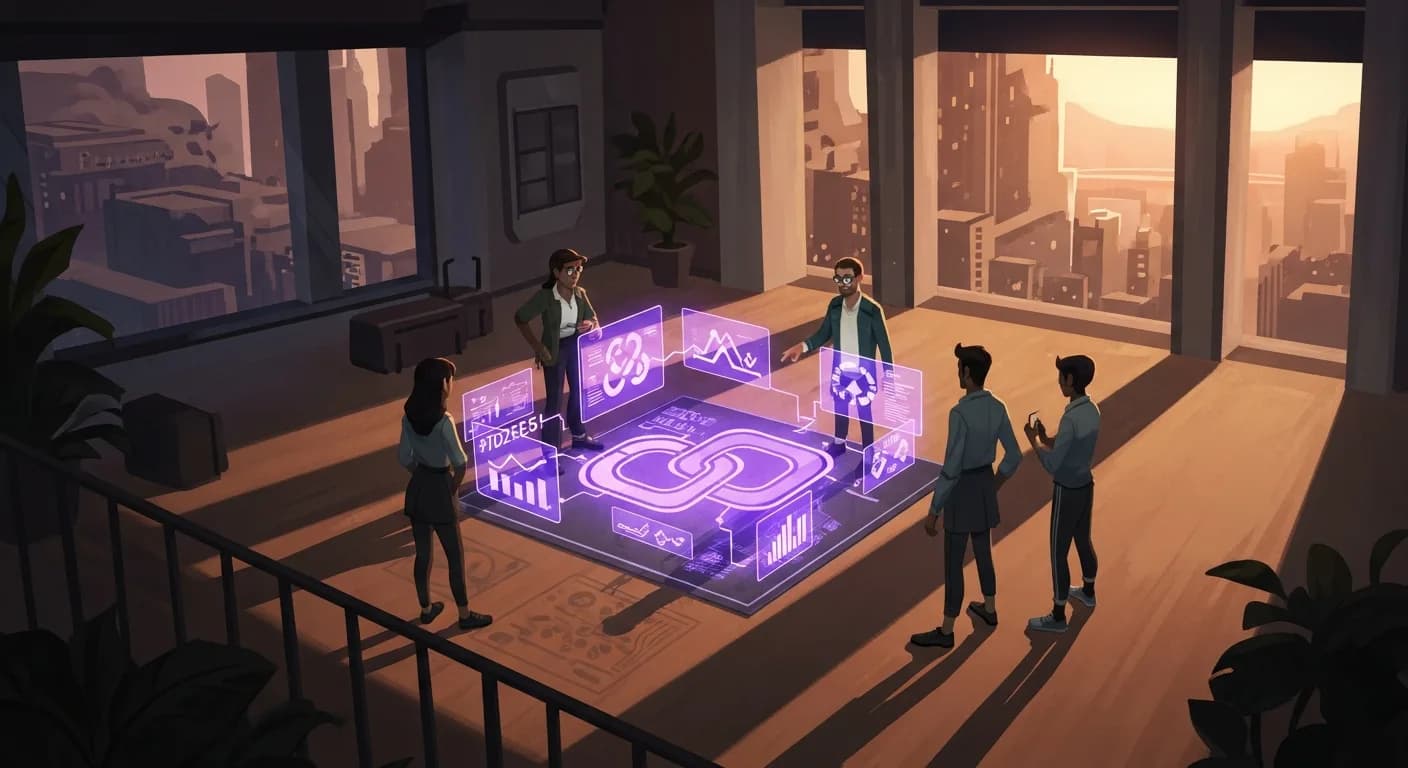

SaaS teams design से ही distributed होती हैं। यह कोई समस्या नहीं जिसे सुलझाना हो — यह उनकी बनावट है। Engineering हायरिंग पहले दिन से global होती है। Product managers महाद्वीपों में फैले होते हैं। Customer success बारह time zones को cover करती है ताकि on-call chart साफ़ दिखे। इस बनावट से, वक़्त के साथ, एक असली connection gap बनती है: लोग एक ही roadmap पर काम करते हैं, कभी एक कमरे में नहीं मिले, एक-दूसरे के GitHub handles जानते हैं लेकिन शहर नहीं। जब People Ops उस gap को भरने की कोशिश शुरू करती है, तो format का जवाब ज़्यादातर engagement budgets की सोच से कहीं ज़्यादा मायने रखता है।
हमने 2020 से 50+ देशों की 300+ companies के लिए 1,500+ virtual team events run किए हैं। इनमें से बड़ा हिस्सा SaaS companies का है — Series B से D तक, 150 से 2,000 employees — और लगभग हर पहले engagement में एक जैसी format गलतियाँ सामने आती हैं। synchrony का गलत अनुमान। game content जो engineering culture से नहीं मिलता। या कोई vendor जिसने event बेचने से पहले नहीं पूछा कि क्या Singapore और Amsterdam एक Thursday दोपहर share कर सकते हैं।
SaaS People Ops leaders से सबसे अधिक सुनने में आता है: "हम अपनी distributed engineering team को actually show up करवाएं और उनका ध्यान event में लगाएं — यह कैसे हो?" game selection format decision से कम मायने रखती है, और format decision लगभग पूरी तरह time zone spread और opt-out culture पर निर्भर है। इस sequence को सही करना — यही यह article cover करता है।
Multiple time zones में फैली distributed SaaS company के लिए सबसे अच्छा team building format कौन सा है?
Generic team building SaaS teams के लिए क्यों काम नहीं करता
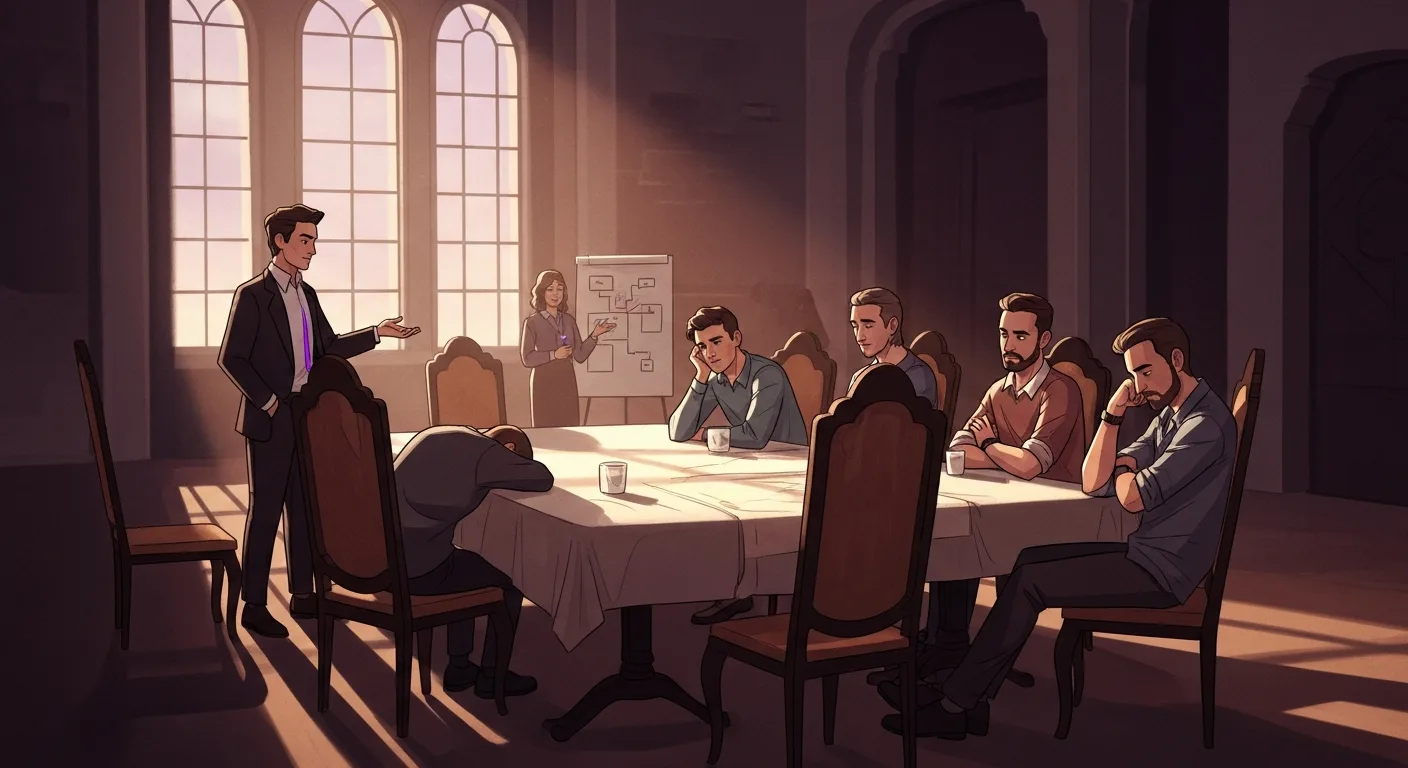
जो failure pattern सबसे ज़्यादा दिखता है: एक company Friday दोपहर का event book करती है, आधी engineering team decline कर देती है या चुपचाप गायब हो जाती है, जो लोग आते हैं वे host को खुश रखने के लिए participate करते हैं, और People Ops manager अगले मंगलवार को एक Slack thread में budget justify करते बिताता है। event ज़रूरी नहीं बुरा था। format इस audience के लिए गलत था।
SaaS teams में एक structural tension होती है जिसके लिए ज़्यादातर team building vendors design नहीं करते। Business operations meetings और synchronous energy पर चलती है; engineering focus time और async tools पर। Thursday दोपहर 3 बजे का mandatory live event engineers से deep-work windows तोड़ने को कहता है, Seoul में teammate के लिए timezone inequity बनाता है, और signal देता है कि event किसी और के लिए बना है। जो opt-out pattern आता है वह disengagement नहीं है — यह एक गलत format fit पर rational response है।
यह pattern Series B और C companies में सबसे साफ़ दिखता है, आमतौर पर 200-500 employees की range में, जहाँ remote-first engineering culture पहले से स्थापित है और People Ops उस team में connection बनाने की कोशिश कर रही है जो पहले दिन से distributed हायर हुई थी। एक SaaS company जिसके साथ हम काम करते हैं — करीब 350 लोग, चार time zones में, product और engineering heavy — पहले Big Game में 64% participation रही। अगली तिमाही में Marathon format अपनाने से यह 81% हो गई। game quality वही थी। synchrony model अलग था।
Engineering-heavy SaaS teams के लिए जो काम नहीं करता:
- Deep-work hours के दौरान scheduled mandatory synchronous events
- Generic content जिसमें कोई narrative hook नहीं — यह उन engineers को शायद ही convert करता है जो happy hours पहले से skip करते हैं
- ऐसे events जो 12-hour timezone gap को एक footnote की तरह treat करते हैं, design constraint की तरह नहीं
जो काम करता है: formats जो जहाँ भी हो async participation के आसपास बने हों, या ऐसे live events जिनमें 90 minutes calendar पर voluntarily earn करने की narrative energy हो। यह distinction सुनने में simple लगती है; execution में vendors का फ़र्क़ यहीं पड़ता है।
Big Game बनाम Marathon: सही चुनाव कैसे करें
Format decision सबसे अहम है, और एक बार team का timezone spread और opt-out culture पता चल जाए तो यह खुद-ब-खुद हो जाती है।
Big Game HeySparko का synchronous live format है: एक event, 60-90 मिनट, पूरा session run करने वाला Game Host, real time में shared leaderboard पर compete करती teams। सभी एक ही call पर हैं, 5-8 के breakout teams में, एक ही moment पर एक ही story beats experience कर रहे हैं। energy high होती है — live leaderboard shifts वो shared reaction बनाते हैं जो async formats कभी replicate नहीं कर सकते। Big Game तब बेहतर काम करता है जब आपकी team एक shared window coordinate कर सके: groups जो roughly 6-hour timezone spread के भीतर हों, kickoffs जहाँ attendance occasion का हिस्सा हो, या company anniversary जैसे events जहाँ live shared experience ही असल बात हो।
Marathon उन cases के लिए बना है जहाँ Big Game का synchrony assumption टूट जाता है। यह 1-5 दिन चलता है, daily episodes release होते हैं जिन्हें players अपने schedule पर complete करते हैं। Tokyo में कोई local time पर 3 बजे खेलता है; Chicago में कोई उसी evening उसी episode को खेलता है। दोनों एक ही leaderboard पर हैं, एक ही story follow कर रहे हैं, बिना Zoom window share किए compete कर रहे हैं। 500+ companies में Marathon events में हम 65-78% completion rates देखते हैं — आमतौर पर उन्हीं organizations में forced-synchronous events से बेहतर numbers, क्योंकि opt-in model बदल देता है कि कौन आता है।
तीन सवाल आमतौर पर format decision settle कर देते हैं:
Timezone spread. क्या सभी participants 6-hour window के भीतर हैं? अगर हाँ, Big Game viable है। अगर नहीं — और ज़्यादातर SaaS engineering orgs के लिए जवाब नहीं है — Marathon लगभग हमेशा बेहतर perform करता है।
Event type. क्या यह एक one-time occasion है (kickoff, anniversary, holiday party) या recurring engagement program? Single occasions अक्सर Big Game की shared energy warrant करते हैं; quarterly programs Marathon के lighter operational footprint से फायदा उठाते हैं।
Opt-out culture. क्या engineering org में mandatory live events skip करने का established pattern पहले से है? अगर हाँ, Marathon का async model उस audience को synchronous attendance की तुलना में meaningfully higher rates पर convert करता है।
एक fintech SaaS जिसके साथ हमने पिछले साल काम किया — करीब 600 लोग, engineering और product heavy, North America, Eastern Europe, और Southeast Asia में distributed — ने अपना Q4 engagement program 3-day Marathon के रूप में run किया। People Ops lead ने बताया कि पिछले साल synchronous Big Game में technical org से 50% से कम participation मिली थी। Marathon में कोई mandatory-attendance framing नहीं थी और 77% completion रही। Leaderboard ही एकमात्र nudge था जो किसी को चाहिए था।
एक बात कहने लायक है: ये formats competing products नहीं हैं। जो teams holiday party के लिए Big Game run करती हैं और quarterly engagement program के लिए Marathon — वे दोनों का साथ इस्तेमाल नहीं कर रहीं, वे हर format को वहाँ use कर रही हैं जहाँ वह अच्छा काम करता है। Holiday party एक live moment की shared energy चाहती है। Quarterly program पूरी team की sustained participation चाहता है, उन engineers समेत जो कभी Friday Zoom social में नहीं आते।
Engineering और product cultures के लिए कौन से games land करते हैं

Format question settle होने के बाद game selection मायने रखती है। इसलिए नहीं कि कोई HeySparko game SaaS teams के लिए गलत है (सभी 10,000 players तक scale होते हैं और browser में बिना किसी software install के चलते हैं), बल्कि इसलिए कि narrative fit engagement ceiling को drive करती है। जो game creative agency के लिए land करता है वह 200-person engineering org के लिए हमेशा काम नहीं करता।
Quarterly kickoffs और product launches के लिए: Mission 8-Bit हमारे catalog में सबसे ज़्यादा requested kickoff game है — एक कारण से। इसका तीन-stage arc — hostile office से escape, retro machine rebuild करना, digital world में enter करके killcode ship करना — quarterly project rhythm से इस तरह align करता है कि engineering teams बिना बताए metaphor पहचान लेती हैं। तीन-act structure (setup, build, launch) sprint cycle की actual shape है, जो technical audiences को वो credibility देती है जो ज़्यादातर team building content में नहीं होती। Event के बाद players को मिलने वाले 8-bit sprite sheets हमारे साथ काम करने वाली आधा दर्जन SaaS companies में Slack avatars, sticker packs, और quarterly retrospective slides बन चुके हैं।
Onboarding cohorts के लिए: Bureau of Magical Affairs वह game है जो हम नए hire orientation weeks के लिए किसी भी दूसरे से ज़्यादा recommend करते हैं। premise — एक साथ बहुत सारी magical emergencies, साथ में Bureau paperwork — fast-moving product company में पहले हफ्ते की literal feeling है। हमने tech sector में 100+ onboarding cohorts के लिए यह run किया है। जो new hires इसे group में experience करते हैं, वे cross-functional bonds बनाते हैं जो standard icebreaker deck नहीं बना पाता — partly क्योंकि game उन्हें एक shared chaotic situation में डालता है इससे पहले कि उन्होंने यह जाना हो कि यहाँ safe people कौन हैं।
General all-hands या milestone events के लिए: Last Temple Mystery भरोसेमंद flagship है। Mayan temple expedition चार floors पर 15 से 10,000 तक groups handle करती है, Big Game और Marathon दोनों formats में काम करती है, और mixed audiences को bridge करती है क्योंकि puzzle mechanics coordination और observation reward करते हैं, न कि कोई domain-specific knowledge। यह वो game है जो तब काम करता है जब आप sure न हों कि room engineering skews करता है या business ops — यह दोनों को bridge करता है क्योंकि puzzles अलग-अलग लोगों में अलग-अलग strengths surface करते हैं।
High-energy moments के लिए — Q4 kickoffs, post-launch events, teams जिन्होंने अभी कुछ मुश्किल ship किया हो — Apocalypse focused urgency deliver करता है जो दूसरे formats नहीं देते। Team एक real clock race करती है चार stages में vaccine develop और distribute करने के लिए, और Stage 2 तक जो role-specialization उभरती है वह genuinely interesting होती है। Engineering teams इस process में अपने natural coordinators और ICs ढूंढती हैं; pressure में जो handoff patterns दिखते हैं वही हैं जो actual sprint work में visible चाहिए। Stylized है, graphic नहीं — 12+ देशों में test किया गया, strong comfort feedback के साथ।
ज़्यादा formal enterprise SaaS cultures के लिए (finance functions, legal teams, enterprise software companies में customer-facing orgs), Wintervald Hotel Mystery brief को बेहतर fit करता है। एक snowbound hotel में sophisticated whodunit, Knives Out-adjacent tone, deduction mechanics जो speed और energy की जगह careful reading और deliberate team discussion reward करते हैं।
December और year-end events के लिए: Stolen Hours उन SaaS teams के लिए unconventional option है जो एक और holiday trivia night से बचना चाहती हैं। Santa की चुराई गई clock hands recover करने के लिए postapocalyptic, cyberpunk, steampunk, और biopunk worlds में एक genre-bending chase। Pixar-tone art इसे warm रखता है। चार world-shifts अलग-अलग player strengths surface करते हैं जो single-narrative games नहीं करते — engineering teams के लिए उपयोगी जहाँ role diversity गहरी है और cyberpunk stage में जो lead करता है वह steampunk stage में ज़रूरी नहीं।
जब customization event को आपका अपना बना दे
जब event को vendor product की तरह नहीं, company event की तरह feel करना हो, तब NPC, Logo, और Story customization tiers आपके brand को game के अंदर ले आते हैं। NPC characters को आपकी company की voice में rewrite करता है, internal language, references, और naming conventions के साथ। Logo आपके brand colors और marks को पूरे game environment में integrate करता है। Story narrative arc को आपकी company की actual situation पर retune करता है — एक आने वाला launch, अभी hit हुआ milestone, एक बंद होता chapter।
अपनी team के लिए customize करें
TYPE 1
आपकी team in-game characters के रूप में
असली team members, mascots, या आपके games के characters NPCs के रूप में।
TYPE 2
आपकी brand natively integrated
Logo और brand elements game environments के लिए native — locations, items, UI।
TYPE 3
आपकी story game में बुनी गई
Company milestones, products, और internal references puzzles, dialogues, और tasks में बुनी गईं।
हमने BGaming के multi-year company anniversary के लिए काम किया — करीब 400 employees, 12+ देशों में distributed, engineering और business development दोनों एक साथ। उन्होंने तीनों tiers के साथ fully customized event run किया: real team members हर stage में character guides बने, और company की founding story एक hidden final chapter के रूप में आई जो तभी resolve होता था जब team game complete करती। Participation 75% target के मुकाबले 89% रही। People Ops lead ने बताया कि उसके बाद cross-functional conversations पिछले सालों से noticeably अलग थीं — engineers और business-ops colleagues "हफ्तों तक उसी event का ज़िक्र एक ही तरह से करते रहे," जो उन्होंने पहले के anniversary formats से कभी नहीं देखा था।
Customization सबसे valuable है जब event को activity line item की तरह नहीं, company milestone की तरह land करना हो। यह एक add-on choice है, quality gate नहीं — stock HeySparko events ज़्यादातर SaaS teams के लिए अच्छे काम करते हैं। लेकिन जब leadership चाहती है कि event एक specific narrative carry करे, या जब team इतनी बड़ी और distributed हो कि shared presence से ज़्यादा shared cultural reference मायने रखे, तो customization अपनी कीमत वसूल करती है। Current tier options के लिए /hi/pricing देखें।
Distributed team connection के बारे में data क्या कहता है
Team building में investment का strategic argument fun के बारे में नहीं है। यह उस connection infrastructure के बारे में है जिस पर retention निर्भर करता है।
Buffer State of Remote Work 2023 survey ने remote workers से directly उनके connection experience के बारे में पूछा। जो काम पर connected feel करते हैं, उनमें से 46% उस connection का credit किसी point पर in-person मिलने को देते हैं। ज़्यादा instructive figure दूसरी दिशा से आती है: जो connected नहीं feel करते, उनमें से 56% cite करते हैं कि socially connect करने का कोई मौका नहीं था। यह 56% एक sub-sample है — यह उन workers पर apply होता है जो पहले से disconnection की तरफ trending हैं, सभी remote employees पर नहीं। SaaS People Ops teams के लिए यह framing मायने रखती है: investment एक nice-to-have नहीं है general satisfaction के लिए, यह उन लोगों की reported cause का direct response है जिन्हें आप खोने का सबसे ज़्यादा risk है।
Academic literature recurring programs के पक्ष में है न कि one-off events के। Anog et al. (SSRN, 2023) ने 60+ team-building intervention studies का systematic review किया और पाया कि structured activities satisfaction reliably बढ़ाती हैं और voluntary turnover कम करती हैं, और effects तब amplify होते हैं जब events को isolated schedule करने की जगह broader development strategy में integrate किया जाए। SaaS People Ops के लिए implication: quarterly cadence annual events को retention signal पर outperform करती है — compounding effect regularity से आता है, किसी individual session से नहीं।
Retention equation के burnout dimension पर: Deloitte's 2024 Burnout in the Workplace report में पाया गया कि 77% professionals अपनी current job में burnout report करते हैं, और lack of recognition अब workload को पीछे छोड़कर primary driver बन गया है। जो workers प्रति तिमाही दो या उससे ज़्यादा company-sponsored events में शामिल हुए, उन्होंने न जाने वाले लोगों की तुलना में 23% कम burnout symptoms report किए। SaaS engineering teams के लिए जहाँ attrition अक्सर unrecognized effort के बाद आता है, वह 23% gap quarterly event cadence का operational argument है — morale theater के रूप में नहीं, बल्कि एक sustained signal के रूप में कि company काम देख रही है।
हमारे अपने data में: distributed companies में Marathon-format events approximately 35% ज़्यादा "lurker" population तक पहुँचते हैं — वे लोग जो typical mandatory live events पर नहीं आते — synchronous alternatives की तुलना में। एक established opt-out pattern वाली engineering org के लिए, वह gap represent करता है उस हिस्से को जो एक well-designed program reach करता है और poorly-designed program नहीं।
अक्सर पूछे जाने वाले सवाल
Distributed SaaS company के लिए कौन सा team building format सबसे अच्छा है?
Time zone spread deciding factor है। 6-hour window के भीतर teams के लिए, Big Game — hosted narrative और real-time leaderboard के साथ 90-minute live event — ज़्यादा shared energy और एक memorable synchronized moment deliver करता है। 8 या उससे ज़्यादा time zones में फैली teams के लिए, Marathon बेहतर perform करता है: async daily episodes 1-5 दिन तक, shared leaderboard के साथ जो किसी को 6am call पर force किए बिना pull बनाता है। हमारे experience में, distributed engineering cultures में Marathon format में completion rates synchronous alternatives से 20-30 points ज़्यादा होती हैं उन्हीं companies में।
एक virtual team event में कितने लोग participate कर सकते हैं?
Big Game और Marathon दोनों एक single event में 5 से 10,000 players तक scale होते हैं। छोटी teams (15-50) में tighter coordination dynamic होती है जहाँ individual contributions पूरे group में visible होते हैं। बड़े groups (500+) shared leaderboard पर competing squads में बँट जाते हैं, पूरे organization में social energy live रखते हुए। कोई installation requirement नहीं — players किसी भी modern laptop पर browser link के ज़रिए join करते हैं, corporate-locked devices समेत। Leaderboard structure लगभग किसी भी size पर hold करती है, जो narrative-driven virtual events के लिए असामान्य है।
क्या participants को HeySparko game खेलने के लिए कुछ download करना होगा?
नहीं। हर HeySparko game पूरी तरह browser में run होता है — कोई app download नहीं, कोई account creation नहीं, कोई IT clearance नहीं उस standard web access से परे जो employees के पास पहले से है। यह strict device management policies वाली companies में engineering teams के लिए मायने रखता है। Players एक link receive करते हैं, event time पर या अपने Marathon window के दौरान click करते हैं, और play करते हैं। एकमात्र technical requirement modern browser है — जो ज़्यादातर enterprise vendor platforms से कम bar है और event शुरू होने से पहले की usual "मैं अपने work laptop पर इसे चला नहीं पाया" attrition हटा देता है।
SaaS team के लिए Big Game और Marathon में क्या फ़र्क़ है?
Big Game एक synchronous live event है: एक ही समय पर सभी एक ही video call पर, real time में compete करते, Game Host session start से finish तक run करता है। Marathon उसी narrative content को 1-5 दिन में spread करता है, daily episodes के साथ जिन्हें players अपने schedule पर complete करते हैं — कोई shared Zoom window नहीं, कोई timezone exclusion नहीं। Leaderboard episodes complete होने पर update होता है, attendance require किए बिना competitive pull बनाता है। significant timezone spread वाली SaaS teams के लिए या engineering culture जो mandatory live events opt out करती है, Marathon actual participation पर Big Game को typically outperform करता है। उन्हीं companies में Marathon events में 65-78% completion rates देखते हैं जहाँ synchronous formats ने 40-55% run किया है।
हम एक virtual team building event के impact को कैसे measure करें?
HeySparko 24 घंटे के भीतर participation analytics report deliver करता है: participation rate, team-by-team breakdown, stage-wise coordination scores, और post-event NPS pulse। Marathon events में multi-day analytics होती है जो दिखाती है किन episodes में highest engagement रहा और कहाँ completion team या manager के हिसाब से drop off हुई — data जो manager-effectiveness gaps की तरफ point करता है जिन्हें People Ops वैसे भी locate करने की कोशिश करती है। हमने जो measurement approach सबसे अच्छा देखा है: HeySparko analytics को independently run 3-question pre/post pulse survey के साथ pair करें, event से पहले और 4-6 हफ्ते बाद connection score measure करें। यह structure Finance को trackable signal देता है और People Ops को एक metric जो multiple quarterly programs में carry कर सके।
SaaS company के लिए team building में आमतौर पर कितना खर्च होता है?
Pricing player count और event duration के हिसाब से tiered है, base rate से परे कोई per-event setup fee नहीं। Cost-per-engaged-employee group size बढ़ने के साथ कम होती है — 100-500 player range के mid-size events आमतौर पर उस metric पर सबसे अच्छी efficiency पर आते हैं। Customization add-ons (NPC, Logo, Story) group size की परवाह किए बिना flat-rate हैं। /hi/pricing पर Booking Calculator contact करने से पहले पूरा configuration और exact price दिखाता है। हमने इसे इस तरह इसलिए बनाया क्योंकि SaaS teams और उनके finance partners को यह देखने के लिए कि कुछ cost क्या है — discovery call पर नहीं जाना चाहिए।