

पिछले एक दशक में, काम पर Halloween एक सीमांत अमेरिकी परंपरा से बदलकर वितरित टीमों के लिए साल की दो सबसे बड़ी engagement windows में से एक बन गया है। अक्टूबर में company events की booking अब December की holiday-party rush के ठीक पीछे है, और HR teams इसे budget line item के रूप में plan करती हैं। यह बदलाव pandemic के दौरान हुआ और कभी पलटा नहीं। जो कंपनियाँ Halloween को एक असली program मानकर चलती हैं — Slack poll नहीं — उनके Q4 engagement survey scores साल के बाकी समय के मुकाबले टिके रहते हैं।
Virtual team building category में पाँच साल के अनुभव के साथ — 1,500+ events, 300+ कंपनियाँ, 50+ देशों में — हमने failure के तरीके इतनी बार देखे हैं कि अब हम उनकी भविष्यवाणी कर सकते हैं। सबसे आम गलती सीधी है: कोई ऐसी horror-centric event चुन लेता है जहाँ आधी टीम Halloween नहीं मनाती, आधी मनाती है, और planning side पर किसी ने पूछा नहीं। वह आधा हिस्सा या तो event छोड़ देता है, cameras बंद रखकर dial in करता है, या चुपचाप HR complaint दर्ज करता है। यह नतीजा तीस मिनट की सोच-समझ और एक सही format decision से पूरी तरह टाला जा सकता है।
तो booking से पहले जो सवाल पूछने लायक है वह यह है: एक वितरित टीम के लिए Halloween team event कैसे plan करें जिसमें costume-संशयवादी सदस्य भी शामिल हों?
काम पर Halloween, office party से एक अलग planning problem क्यों है
एक in-person office के लिए, Halloween मुख्यतः logistical है। Costumes, snacks, एक contest, टीम के लिए एक पल। वितरित टीमों के लिए, planning problem का स्वरूप बदल जाता है। अक्टूबर Q4 budget defense season में पड़ता है, costume परंपराएँ Zoom के ज़रिए साफ़ तरीके से नहीं आतीं, और किसी भी single event को ऐसे time zones में काम करना होता है जहाँ किसी के लिए दोपहर 2 बज रहे हों और किसी के लिए रात 10। Horror tolerance बहुत अलग-अलग होती है: कुछ teams jump scares और gore चाहती हैं, कुछ soft folklore, और कई global teams कुछ भी spooky नहीं चाहतीं।
जब teams intentionally planning करती हैं, न कि पिछले साल के pattern पर default करती हैं, तब हमने देखा है कि क्या काम आता है। निर्णय आमतौर पर चार सवालों में टूटता है। टीम की असली horror tolerance क्या है? क्या लोग ऐसे time zones में हैं जो एक live event को awkward बनाते हैं? क्या कंपनी एक Halloween moment चाहती है या पूरे हफ्ते का Spirit Week buildup? और क्या budget एक recurring program की रक्षा कर रहा है या एक बार का event है?
Big Game बनाम Marathon: वह format decision जो time zones की समस्या हल करता है
Format का चुनाव अक्सर खुद-ब-खुद हो जाता है जब आप टीम का नक्शा बनाते हैं। Big Game एक single live event है जहाँ सभी 60-90 मिनट के लिए एक ही call पर होते हैं, एक HeySparko Game Host narrative चलाता है, चार से आठ लोगों की breakout teams मिलकर puzzles हल करती हैं। यह तब काम करता है जब टीम एक live window share कर सके (आमतौर पर छह घंटे के time zone spread में) और जब लोग एक synchronous room की energy चाहते हों जहाँ leaderboard real time में बदलते हुए दिखे। पूरा room एक ही second में वही plot twist सुनता है। वह साझा पल ही product है।
Marathon 1-5 दिनों में asynchronous daily episodes के रूप में चलता है। लोग अपने schedule पर engage करते हैं, shared leaderboard obligation की जगह खिंचाव पैदा करती है, और global team का कोई भी सदस्य Halloween celebrate करने के लिए सुबह 6 बजे की call पर मजबूर नहीं होता। हमारे data में 500+ कंपनियों के opt-in Marathon programs में completion rates 65% और 78% के बीच रहती हैं, और Zoom-fatigue के कारण न आने वाले लगभग 35% lurkers participate करते हैं क्योंकि उन्हें camera पर engagement perform नहीं करनी पड़ती।
वितरित टीम पर Halloween-week activation के लिए Marathon सुरक्षित विकल्प है। एक single-office या सीमित time zone वाली टीम के लिए जहाँ social density अधिक है, Big Game में अधिक visceral payoff है। निर्णय इस बारे में नहीं है कि कौन-सा product बेहतर है। यह इस बारे में है कि आपके पास कौन-सा audience है।
वह game चुनाव जो costume-skeptic और costume-lover के बीच की खाई पाटता है
हमारे catalog में चार Halloween-window games horror-tolerance spectrum के अलग-अलग बिंदुओं पर हैं। तरकीब यह है कि game को टीम से match करें, "spooky" की किसी abstract अवधारणा से नहीं।
Apocalypse सबसे high-energy option है — एक stylized vaccine-race adventure जहाँ चार locations टीम और एक working cure के बीच हैं। Aesthetic genre cinema से उधार लिया गया है, horror से नहीं: कोई gore नहीं, कोई jump scares नहीं, कोई body imagery नहीं। हमने देखा है कि 25-person engineering teams Stage 2 में अपने natural ICs और project managers खोज लेती हैं जब time pressure delegation को मजबूर कर देता है। Tech, fintech, और startup cultures के लिए सबसे उपयुक्त जहाँ time-pressure mechanics energizing लगती हैं, न exhausting।
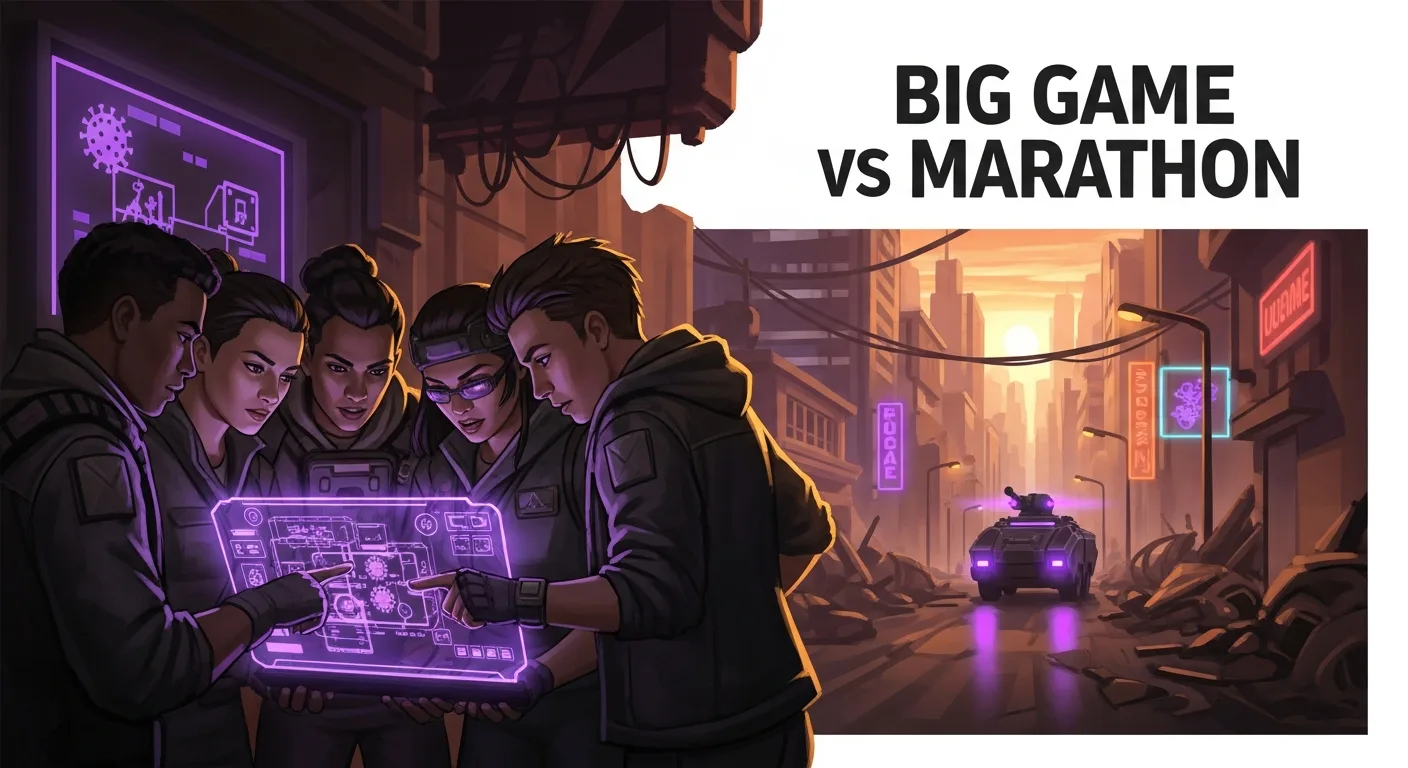
Book of Awakened Nightmares spectrum के atmospheric end पर है। Cabin-in-the-woods setup, एक leather-bound book players को तीन folklore worlds में खींचती है, Tim Burton के tones न कि horror। हमने इसे 15+ देशों की global teams के लिए बिना एक भी comfort complaint के चलाया है क्योंकि folklore composite है — कोई एक परंपरा dominant नहीं है, इसलिए किसी की संस्कृति costume में reduce नहीं होती। Mid-size groups के लिए उपयुक्त जहाँ slow-paced atmosphere team chats में असली बातचीत पैदा करती है।
Wintervald Hotel Mystery enterprise-appropriate pick है। Snow-bound luxury hotel, dinner के बाद एक guest की murder, Agatha Christie register में deduction के तीन stages। Murder एक premise है, graphic event नहीं; कोई body imagery नहीं; कुछ भी ऐसा नहीं जो buttoned-up enterprise audience को असहज करे। Finance, legal, और C-suite Halloween events के लिए हम यही सबसे अधिक book करते हैं जहाँ कुछ अधिक whimsical का office-parody tone गलत लगेगा। Miro और Home Credit Bank जैसी teams ने इस प्रकार के mystery formats का उपयोग किया है।
Under the Big Top vintage circus mystery लाता है जिसमें एक performer गायब हो जाता है और suspects का एक quirky cast है। Whimsy गर्म है, slapstick की बजाय Big Fish के करीब, और hospitality तथा consumer-brand cultures के लिए काम करता है जो horror के बिना October का माहौल चाहती हैं। जिन anniversary teams को "हम एक साथ लंबा सफ़र तय कर चुके हैं" का metaphor चाहिए, वे यहाँ आती हैं।
Mixed teams के लिए जहाँ horror पूरी तरह off the table है, Bureau of Magical Affairs वह साल भर का flagship है जो October के लिए उपयुक्त लगता है, Halloween tropes पर ज़ोर दिए बिना। Whimsical bureaucracy meets magic; The Office और Men in Black के बीच कुछ, Tolkien की बजाय। हम इसे onboarding cohorts के लिए recommend करते हैं जिनकी कंपनी की पहली impression horror नहीं होनी चाहिए।
December teams कभी-कभी पूछती हैं कि क्या Stolen Hours — एक genre-bending December game जहाँ Santa के clock hands चार worlds में बिखरे हैं — October में reframe करके चल सकता है। हाँ, लेकिन seasonal narrative अपना ज़ोर खो देती है। Stolen Hours को साल के अंत की window के लिए save करें जहाँ time-restart premise सटीक बैठती है।
जो teams full adventure की जगह 60-minute trivia closer चाहती हैं, उनके लिए Pop Culture Trivia cross-functional groups के लिए safe default है, और History Trivia academic और consulting cultures के लिए काम करती है जिनके CEOs अपने dogs के नाम Roman generals पर रखते हैं। Trivia पहले HeySparko event के रूप में सही नहीं है (हल्की surface, कोई narrative arc नहीं) लेकिन recurring monthly cadence के रूप में काम करती है।
Halloween-week events के लिए Customization
जब event को vendor की नहीं, कंपनी की अपनी feel आनी हो, तो तीन customization tiers दोनों formats पर stack होते हैं। NPC customization character dialogue को कंपनी की आवाज़ में rewrite करता है और internal language बुनता है; Logo integration brand colors और company mark को game environment में लाता है; Story customization narrative arc को किसी specific company situation के लिए rewrite करता है — जैसे Halloween-week launch जहाँ in-game stakes उस launch को mirror करें जिसे टीम race कर रही है।
अपनी team के लिए customize करें
TYPE 1
आपकी team in-game characters के रूप में
असली team members, mascots, या आपके games के characters NPCs के रूप में।
TYPE 2
आपकी brand natively integrated
Logo और brand elements game environments के लिए native — locations, items, UI।
TYPE 3
आपकी story game में बुनी गई
Company milestones, products, और internal references puzzles, dialogues, और tasks में बुनी गईं।
Halloween Spirit Week Marathon events के लिए customization compound होता है। Players 3-5 दिनों में बार-बार brand और character voice से मिलते हैं, और brand-recall lift वह outpace करता है जो एक 90-मिनट का Big Game deliver करता है। हमारे लगभग 15% clients कम से कम एक tier चुनते हैं; लगभग 5% तीनों लेते हैं। Calculation सरल है: एक fully branded event उस साल-अंत recruiting marketing spend से कम पड़ता है जो अधिकांश कंपनियाँ budget करती हैं, और उस asset की Slack threads और survey free-response fields में छह महीने की internal afterlife होती है।
Timing: Halloween calendars कब भरते हैं
Halloween 2026 के लिए, booking window का अपना rhythm है। Demand 15 अगस्त से 30 सितंबर तक peak पर रहती है; October 28 से 31 के बीच के calendar slots पहले भरते हैं; बाकी सब उसके बाद। अगर आप mid-October में यह पढ़ रहे हैं और 31 तारीख को कुछ करने की उम्मीद है, तो बात इसी हफ्ते शुरू होनी चाहिए। October 27-31 के Marathon Spirit Week formats के लिए, चार से छह हफ्ते का lead time clean episode comms और pre-event anticipation के लिए minimum है। Customized events के लिए, NPC brief और Story-tier alignment call के लिए दो और हफ्ते जोड़ें। हमने last-minute Halloween events चलाए हैं जो अच्छे रहे, लेकिन तीन हफ्ते की window में format options तेज़ी से सिकुड़ जाते हैं।
Data Halloween-window engagement के बारे में क्या कहता है
HR-Finance conversation में structured Halloween event पर budget खर्च करने का case शायद ही कभी emotional होता है। यह retention और engagement-program argument है। जो numbers मायने रखती हैं वे तीन जगह हैं: baseline engagement, disengagement की cost, और academic evidence कि team-building interventions retention को move करते हैं या नहीं।
Baseline Gallup 2025 State of the Global Workplace report है। Gallup का निष्कर्ष: दुनिया भर में केवल 21% employees अपने काम में engaged हैं, disengagement से global economy को productivity में $438 billion सालाना का नुकसान होता है, और team engagement में 70% variance सीधे manager से जुड़ा है। यह headline number रुककर सोचने लायक है। चार में से एक से भी कम worker engaged होकर काम करता है। यह कोई ऐसी समस्या नहीं जिसे Halloween event 75 मिनट में हल करे, लेकिन यही वह background है जिसके सामने Finance के सामने हर engagement budget की defense होती है। 70% manager-variance figure भी यहाँ मायने रखती है: Halloween event कोई manager-replacement strategy नहीं है, लेकिन यह एक data-collection mechanism के रूप में काम करता है जो बताता है कि कौन-से team pods connection का काम कर रहे हैं और कौन-से नहीं।
Retention का calculation spend side पर इसे anchor करता है। SHRM की 2024 cost-per-hire calculations non-executive departure cost को per person पाँच-अंकीय range में रखती हैं — recruiting time, hiring manager attention, और ramp time सब मिलाकर। 200-person distributed team के लिए, annual attrition में एक percentage point की भी कमी (typical industry baseline 14-22% है) Halloween-week event budget के multiples कई गुना वापस दिलाती है। CFO conversation तब आसान हो जाती है जब budget request को एक costume party के रूप में नहीं बल्कि measurable retention impact वाले engagement instrument के रूप में frame किया जाए।
Distributed-team angle का अपना structural data है। Microsoft की 2024 Work Trend Index, जिसमें 31 देशों के 31,000+ workers को survey किया गया, में पाया गया कि 64% workers कहते हैं कि वे काम की गति और volume से जूझ रहे हैं, और 57% distributed workers live events की बजाय async-engagement options prefer करते हैं। यह दूसरा आंकड़ा globally distributed teams पर Marathon को Big Game से ऊपर रखने की empirical foundation है: आधे से अधिक audience अपने celebration mode के रूप में video call नहीं चाहती। इस insight का Halloween version concrete है। Tokyo का engineer New York office के Halloween moment के लिए रात 11 बजे की call नहीं लेना चाहता।
Academic evidence structural argument को support करती है। Anog et al. (SSRN, 2023) ने team-building interventions पर 60+ studies का systematic review किया और पाया कि structured activities team satisfaction बढ़ाती हैं और voluntary turnover घटाती हैं, और effects तब amplified होते हैं जब activities किसी broader development strategy का हिस्सा हों न कि one-off events। यह आखिरी clause वह है जो उन People Ops teams को पहले से पता है जिन्होंने सालों से Halloween events चलाए हैं: बिना follow-up program के एकल Halloween Big Game उसी event से कम return देता है जो quarterly engagement cadence में embedded हो। Marathon programs में हम जो numbers देखते हैं वे इससे मेल खाती हैं: 1-5 दिनों में 65-78% completion rates, NPS pulse औसतन 8.4, और Zoom-fatigue के कारण न आने वाले लगभग 35% lurkers participate करते हैं जो forced-synchronous alternative में कभी न आते।
हमारा अपना portfolio data तीसरे पक्ष की research से structural level पर मेल खाता है, भले ही specific percentages अलग हों। 2020 से जो events हमने facilitate किए हैं, उनमें same company में best और worst manager pods के बीच voluntary participation rate में तीन से चार गुना का अंतर रहता है। एक ही कंपनी में एक ही event एक team पर 90% participation और दूसरी पर 30% दिखा सकता है, और leading variable यह है कि manager ने event के आसपास कैसे communicate किया। Halloween event वह पल है; manager का Slack message एक हफ्ते पहले वह काम है जिसने वह पल अर्जित किया।
अक्सर पूछे जाने वाले प्रश्न
वितरित टीम के लिए Halloween team event कितने पहले book करना चाहिए?
October 28-31 के Big Game के लिए चार हफ्ते का lead time comfortable minimum है। October 27-31 के Marathon Spirit Week के लिए पाँच से छह हफ्ते दें ताकि episode comms और leaderboard preview Day 1 से पहले लोगों तक पहुँचें। किसी भी customization के लिए — character dialogue आपकी आवाज़ में, brand integration, या custom narrative — दो और हफ्ते जोड़ें। उस window के अंदर आने वाली bookings सिकुड़ जाती हैं क्योंकि late-October calendar पहले भरता है; September 1 की commitment आमतौर पर वह फ़र्क बनाती है जो आपको मनचाहा format दिलाती है और जो उपलब्ध हो वह नहीं। 2020 से यही pattern हर साल देखा है।
अगर हमारी आधी टीम Halloween बिल्कुल नहीं मनाती तो क्या करें?
Calendar invite और welcome message में event को "October team event" के रूप में frame करें, न कि Halloween party के रूप में; welcome message में costume participation को explicitly optional बनाएं; और ऐसा game चुनें जहाँ October atmosphere experience को support करे, holiday में विश्वास की ज़रूरत के बिना। Apocalypse October energy carry करता है, trick-or-treat tropes के बिना, और Bureau of Magical Affairs mixed-culture teams के लिए साल भर उपयुक्त है। Framing का बदलाव लोग सोचते हैं उससे अधिक मायने रखता है; वही event, अलग invitation, और उस आधी टीम से बहुत अलग participation rate जो otherwise चुपचाप opt out कर लेती।
क्या Apocalypse एक corporate team के लिए बहुत intense है?
हमारे अनुभव में नहीं। Aesthetic horror की बजाय genre cinema के करीब है: पूरे में stylized 2D art, कोई blood नहीं, कोई gore नहीं, कोई jump scares नहीं। Time pressure energize करने के लिए calibrate की गई है, exhaust करने के लिए नहीं; अधिकांश teams finish होते ही तुरंत replay चाहती हैं। हमने 12+ देशों में fintechs, SaaS कंपनियों, और consumer-tech organizations की engineering teams के लिए Apocalypse चलाया है, बिना किसी comfort complaint के। Threshold टीम की time-pressure mechanics की appetite है, horror tolerance नहीं। Buttoned-up enterprise audiences Wintervald Hotel Mystery के लिए बेहतर fit हैं जो murder को premise के रूप में रखती है, graphic event के रूप में नहीं।
12 time zones में फैली टीम के लिए Halloween event कैसे चलाएं?
Marathon format। 12 time zones में एकल live Big Game किसी को 6 बजे सुबह या रात 11 बजे की call पर मजबूर करता है, जो engagement का उल्टा result देता है। Book of Awakened Nightmares को October 28 के हफ्ते में 3-day Marathon के रूप में चलाने से Tokyo team अपने local time 3 बजे play कर सकती है, San Francisco team अपने local time 3 बजे, और shared leaderboard time gap के पार social glue देती है। Opt-in Marathon programs में हमारी completion rates 65-78% रहती हैं, उन teams सहित जो historically live events पूरी तरह छोड़ देती थीं क्योंकि calendar math उन्हें punish करती थी।
एक typical Halloween Big Game practically कैसा दिखता है?
एक live 60-90 मिनट का Zoom (या equivalent) जहाँ एक HeySparko Game Host narrative चलाता है; players चार से आठ के breakout teams में join करते हैं; सभी मिलकर puzzles solve करते हैं; teams points score करने के साथ shared leaderboard real time में update होती है। कोई app install नहीं, कोई account creation नहीं, केवल browser link। Wintervald Hotel Mystery में Stage 2 में suspects का interview होता है; Under the Big Top में circus backstage में evidence है; Apocalypse में team चार locations में एक working clock के खिलाफ race करती है। Host show चलाता है; client team players के रूप में participate करती है।
हम यह कैसे measure करें कि Halloween event budget के लायक था?
Post-event review के लिए तीन numbers निकालने लायक हैं। Participation rate (live के लिए 70% से ऊपर, opt-in Marathon के लिए 65% healthy है); एक 3-question pre/post pulse जो team से connection और recommend करने की willingness measure करे; और वह analytics dashboard जो हम 24 घंटे के भीतर भेजते हैं जो participation, scoring, और chat engagement को team और manager के हिसाब से break out करता है। इसे SHRM cost-per-hire framing के साथ pair करें — 200-person distributed team पर एक percentage point retention improvement भी event spend के multiples कई गुना recoup करती है। Finance conversations तब आसान होती हैं जब budget request event को retention instrument के रूप में frame करे।