
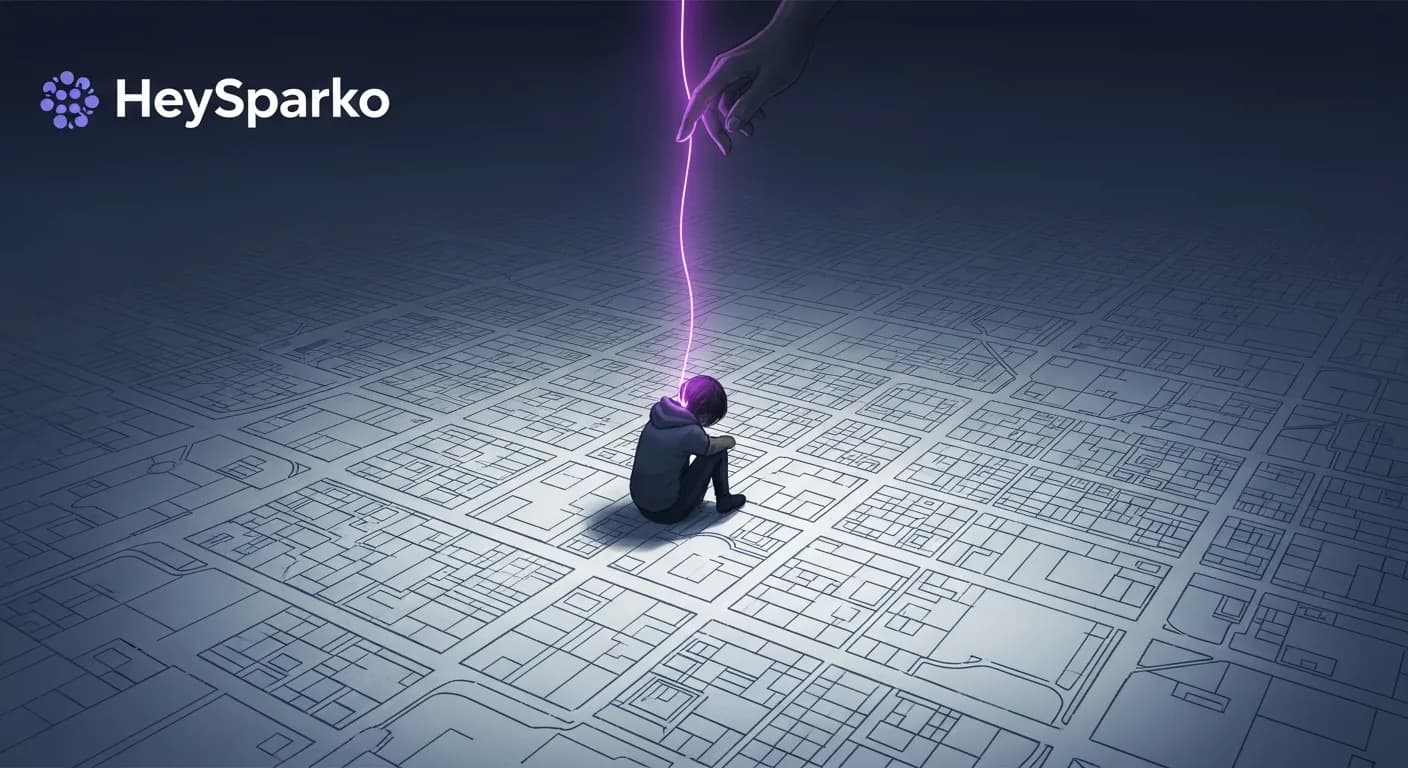

नए कर्मचारी उतनी जल्दी जुड़ाव खो देते हैं जितना अधिकतर onboarding timelines में अनुमान नहीं लगाया जाता। पहला हफ़्ता आमतौर पर system access, tool walkthroughs, compliance training, और manager introductions से भरा होता है। फिर तीसरे हफ़्ते के आसपास नए कर्मचारी को चुपचाप अहसास होता है कि वे org chart तो जानते हैं, लेकिन उस पर मौजूद किसी इंसान को नहीं जानते। जो ढांचा उन्हें दिया गया था, वह जानकारी पहुंचाने के लिए बना था। रिश्ते बनाने के लिए किसी ने कोई ढांचा नहीं बनाया।
2020 से अब तक हम 50+ देशों की 300+ कंपनियों को virtual team events दे चुके हैं — portfolio में अब तक 1,500+ events हो चुके हैं। Onboarding cohort events में हम सबसे बड़ा अंतर देखते हैं — program जो करने के लिए बना है और नया कर्मचारी जो actually अनुभव करता है, इन दोनों के बीच। 45 मिनट का "welcome Zoom" जिसमें vendor icebreaker चलाए, वह team building नहीं है। All-hands जिसमें नए कर्मचारी दर्शक बनकर बैठें, वह भी नहीं है। जुड़ाव broadcast mode में नहीं बनता।
नए कर्मचारियों के onboarding के लिए सबसे प्रभावी team building activities कौन सी हैं — और पहले से भरे events calendar में महीनों की planning का बोझ डाले बिना इन्हें कैसे चलाएं?
पहला event onboarding deck से ज़्यादा क्यों मायने रखता है

शुरुआती कार्यकाल में जुड़ाव पर शोध काफी स्पष्ट है: जो कर्मचारी पहले 90 दिनों में कम से कम तीन मज़बूत कामकाजी रिश्ते बनाते हैं, उनकी एक साल पर retention काफी बेहतर होती है। लेकिन अधिकतर onboarding programs पूरी तरह जानकारी पहुंचाने के इर्द-गिर्द बने होते हैं: company क्या करती है, tools कैसे काम करते हैं, policies क्या कहती हैं। जानकारी देना एक presentation है। रिश्ते बनाने के लिए कुछ structurally अलग चाहिए: हल्के दबाव में एक साझा काम, जहां team को कुछ genuinely नया करने के लिए communicate और coordinate करना पड़े।
यही वह design principle है जो प्रभावी onboarding team events को vendor obligation जैसे लगने वाले events से अलग करता है। Team को कुछ करना है। कुछ देखना नहीं, बाद में survey भरना नहीं। कुछ करना है — जिसके लिए ऐसी परिस्थितियों में एक-दूसरे से बात करनी पड़े जहां अभी established social scripts नहीं बने हैं।
Bureau of Magical Affairs वह game है जिसे हम onboarding cohorts के लिए सबसे अधिक recommend करते हैं। इसका premise (चार magical bureaucratic emergencies, नब्बे मिनट, नव-नियुक्त Bureau agents) ऊपर से देखने में playful लगता है। जो यह असल में देता है वह एक ऐसी team है जिसने time pressure में roles coordinate करने, strategy पर असहमत होने, और तेज़ी से decisions hand off करने की practice कर ली है। ये micro-interactions ठीक वही behavioral patterns हैं जो नए hire और उनके managers को शुरुआत में ही स्थापित करने की ज़रूरत होती है — और ये किसी slide deck से बनाना कहीं ज़्यादा मुश्किल है।
एक technology company के साथ हमारा काम था जो तीन दिन के in-person program के रूप में onboarding चला रही थी। जब hiring की गति physical facility से आगे निकल गई और cohort पूरी तरह remote हो गया, तो 90-दिन का attrition काफी बढ़ गया। उनका समाधान: orientation week के अंत में हर 15-40 नए हायर के cohort के लिए Mission 8-Bit का Big Game। Game का तीन-stage arc (office से बाहर निकलो, retro machine rebuild करो, killcode ship करो) नए hire के पहले हफ़्ते की "हम सब मिलकर यह सुलझा रहे हैं" energy से naturally जुड़ गया। दो hiring cycles के भीतर, 90-दिन का attrition baseline पर वापस आ गया। Orientation week का content नहीं बदला था। जो बदला वह था — उसके अंत में structured coordination का अनुभव।
Timing event जितना ही मायने रखती है। Onboarding team event सबसे अच्छा काम करता है या तो पहले हफ़्ते के अंत में (जब पहले impressions अभी बन ही रहे हों) या पहले महीने के अंत में, जब नए hire को अपने कामकाजी रिश्तों में कमी महसूस होने लगी हो। दोनों windows सही हैं। जो काम नहीं करता वह है तीन महीने बाद बेतरतीब ढंग से रखा गया event — जब या तो नए hire ने अपने connections बना लिए हों या चुपचाप कहीं और देखना शुरू कर दिया हो।
Big Game या Marathon — आपके cohort के लिए format का फ़ैसला
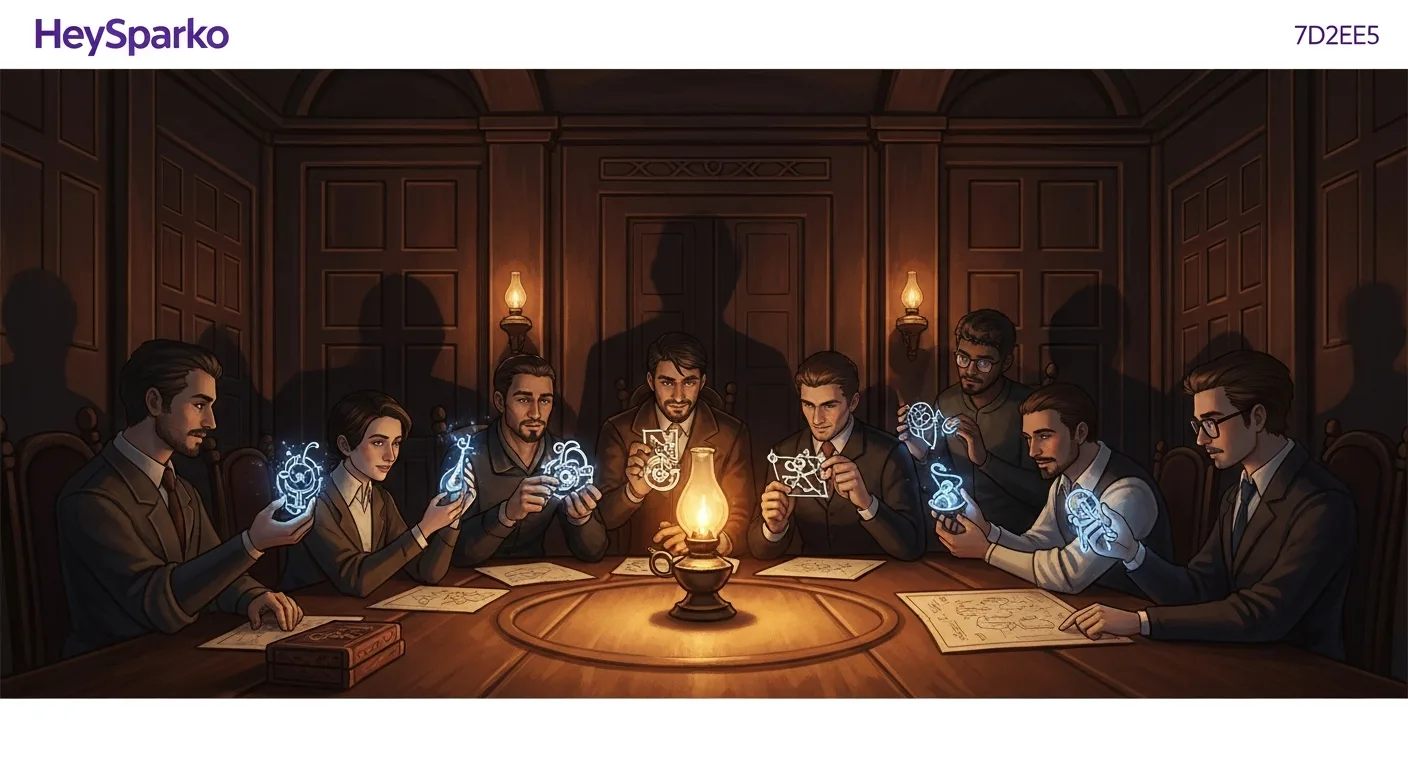
Format का सवाल preference से कम और आपके cohort की geographic reality से ज़्यादा जुड़ा है।
अगर आपका onboarding cohort broadly time-zone-aligned है (6 घंटे के spread के भीतर, या एक ही region में clustered), तो Big Game format लगभग हमेशा बेहतर विकल्प है। Orientation week के अंत में एक single live event एक ऐसा social moment बनाता है जिसमें एक clear memory anchor होता है। "हमने शुक्रवार को mystery game खेला" — यह cohort को एक साझा reference देता है जिससे Monday की Slack conversation किसी cold start की बजाय पिछली बात की continuation लगती है। Game Host पूरे 60-90 मिनट चलाता है; आपकी team players की तरह शामिल होती है, organizers की तरह नहीं। People Ops पर calendar invite और Zoom link से आगे कोई prep का बोझ नहीं।
Distributed onboarding cohorts के लिए (नए hire कई continents में, time zones जो cleanly overlap नहीं करते, या remote employees जो कभी एक convenient live window share नहीं करेंगे), Marathon format इस calculation को बदल देता है। 1-5 दिनों में, नए hire अपने schedule पर daily game episodes के साथ engage करते हैं। Leaderboard बिना किसी को 6am या 11pm की call लेने पर मजबूर किए पूरे cohort में social pull बनाता है। हमारे data के अनुसार, Marathon-format events उन्हीं companies में अपने live equivalents की तुलना में लगभग 35% ज़्यादा participants तक पहुंचते हैं। "Zoom में नहीं आ सके" वाले लोग Marathon ज़रूर पूरा करते हैं, क्योंकि async scheduling की सज़ा हटा देता है।
एक global tech company के साथ हमारे काम में जो distributed onboarding cohorts चला रही थी, live event में लगातार एक समस्या थी: APAC hire, Europe और North America counterparts की तुलना में काफी कम rate पर शामिल हो रहे थे। हर orientation session एक ऐसी window के इर्द-गिर्द बनी थी जो दुनिया के दो-तिहाई हिस्से के लिए काम करती थी और बाकी तीसरे से असुविधाजनक समय पर join करने की उम्मीद रखती थी। Cohort team event को 3-day Marathon में बदलने से यह सीधे बदल गया। पूरे cohort में completion rate 72% तक पहुंची, और leaderboard पर जो teams naturally बनीं वे genuinely cross-regional थीं: Singapore, London, और दो US cities एक ही squad में, similar geographic मिश्रण वाली teams से compete करते हुए। इस तरह का cross-regional peer formation एक single live window से लगभग कभी नहीं उभरता।
Bureau of Magical Affairs Big Game और Marathon दोनों में समान रूप से प्रभावी है — यह उन teams के लिए practical advantage है जिनका cohort format महीने-दर-महीने बदलता है। जिन cohorts को ज़्यादा urgency चाहिए और pressure time-compressed पसंद हो, उनके लिए Marathon format में Apocalypse चार-दिन का escalating stakes arc देता है; नए hire बताते हैं कि इसे चलाने के बाद वे teammates के problem-solving styles के बारे में एक हफ़्ते की Slack interaction से ज़्यादा जान गए। जो cohorts urgency की बजाय slow-burn tension पर बेहतर respond करते हों, उनके लिए Book of Awakened Nightmares एक quieter, atmospheric mystery-adventure देता है — कम intensity वाला, जो फिर भी यह surface करता है कि नए hire uncertainty में कैसे सोचते हैं।
Onboarding cohorts के लिए कौन से games वास्तव में काम करते हैं

Onboarding event के लिए game का चुनाव दो variables पर आता है: culture की अलग-अलग aesthetics के साथ comfort का स्तर, और event में कौन से behavioral dynamics surface करने की ज़रूरत है। हमारे catalog में onboarding के लिए relevant games यहां दिए गए हैं।
Bureau of Magical Affairs हमारे catalog में सबसे अधिक recommended onboarding game है, और इसकी वजह premise में है। Chaos-meets-bureaucracy setup (बहुत सारी emergencies, बहुत कम समय, role में बिल्कुल नए) पहले हफ़्ते के onboarding की feelings का सीधा प्रतिबिंब है। नए hire game में आने से पहले ही वह premise जी रहे होते हैं। Game उसे एक साझा, हल्के-फुल्के container में डाल देता है। Bureau को onboarding के लिए चलाने वाली teams लगातार यह report करती हैं कि यह पहला पल था जब उन्हें एक collection of people जैसा नहीं बल्कि एक team जैसा महसूस हुआ जो सिर्फ उसी हफ़्ते join करने की वजह से साथ थे।
Apocalypse engineering, fintech, और startup cultures के लिए particularly अच्छा काम करता है जहां urgency और problem-solving pressure job identity का हिस्सा हों। चार-stage vaccine-race structure coordination और task-switching को reward करता है, और post-event analytics managers को specific behavioral observations देता है: pressure में कौन आगे आया, किसने defer किया, stages के बीच handoff किसने bridge किया। जो cultures aesthetic के साथ comfortable हों (stylized emergency, horror नहीं — World War Z के करीब, The Last of Us नहीं), उनके लिए यह हमारे पास सबसे high-engagement onboarding options में से एक है।
Wintervald Hotel Mystery enterprise, legal, finance, या किसी भी ऐसी culture के लिए सही choice है जहां "playful" शब्द पर polite skepticism आए। Agatha Christie की तर्ज़ पर बना यह deduction mystery catalog का सबसे formal game है, और यह quiet, analytical thinkers को reward करता है — वे नए hire जो group icebreaker में बोल नहीं पाते लेकिन एक deduction theory बनाएंगे और उसका बचाव करेंगे ज़रूर। हमने इसे professional services firms और बड़े financial institutions के onboarding के लिए चलाया है; People Ops की प्रतिक्रिया है कि यह उन introverted high performers तक पहुंचा जिन्हें बाकी हर event miss कर देता था।
Under the Big Top गर्मियों के onboarding cohorts और warmly creative cultures वाली companies के लिए strong choice है। Vintage circus mystery ऐसे deduction debates बनाती है जो low-stakes लगते हैं लेकिन genuinely reveal करते हैं कि नए hire ambiguous information कैसे process करते हैं — उनके managers के लिए useful behavioral signal, competitive urgency mechanic के pressure के बिना।
Mission 8-Bit उन cohorts के लिए specifically suited है जो एक defined quarterly project पर साथ काम करेंगे। तीन-stage arc (hostile office से बाहर निकलो, retro machine rebuild करो, killcode ship करो) एक literal product-launch metaphor है, और players को event के बाद मिलने वाले 8-bit sprites team artifact बन जाते हैं। Engineering और product teams के managers ने post-event sprite sheet को quarter के लिए team के Slack avatar pack के रूप में इस्तेमाल किया है। Team events में इस तरह का material residue दुर्लभ है और असामान्य रूप से टिकाऊ होता है।
Stolen Hours December onboarding cohorts या January reset events के लिए genre-bending विकल्प है। चार-world structure (postapocalypse, cyberpunk, steampunk, biopunk) जानबूझकर हर world में अलग-अलग player strengths surface करता है — इसका मतलब है कि cohort की problem-solving styles की range एक single-aesthetic game की तुलना में ज़्यादा visible होती है। यह mixed-cohort events के लिए particularly effective है जहां नए hire established team members के साथ जुड़ते हैं।
Event के इर्द-गिर्द क्या सही करना है
तीन operational decisions जिनमें अधिकतर People Ops managers कम निवेश करते हैं:
Event के भीतर team composition। Onboarding events के लिए default cohort-only रहता है: नए hire के साथ नए hire। Week-one event के लिए यह सही है। Week four या five में एक दूसरा event जो नए cohort को established team members के साथ मिलाए, वह अलग काम करता है। जब experienced colleagues नए hires के साथ Mission 8-Bit या Stolen Hours खेलते हैं, तो नए hire देख पाते हैं कि senior teammates ambiguity को कैसे handle करते हैं और time pressure में decisions कैसे लेते हैं। यह behavioral modeling cultural transfer का एक रूप है जो structured 1:1 या employee handbook deliver नहीं कर सकते।
48-घंटे का follow-up। अधिकतर onboarding events event के साथ ही खत्म हो जाते हैं। जो companies team-building events से सबसे टिकाऊ value निकालती हैं, उनके managers अगले 1:1 में एक brief debrief करते हैं — 10 मिनट, या event के बाद एक async Slack message: "आपने notice किया कि आपके नए teammates ने उस situation को कैसे approach किया?" यह सवाल experience को याद रखने योग्य बना देता है। HeySparko के post-event analytics में by-team coordination scores और individual engagement data शामिल हैं; जो managers पहले 48 घंटों में नए hire के साथ वे numbers review करते हैं, वे उन managers की तुलना में उन employees के लिए consistently बेहतर early engagement scores report करते हैं जो follow-up नहीं करते।
किसी meaningful moment पर company join करने वाले cohorts के लिए customization। Product launch, headcount milestone, rebrand, या strategic pivot के दौरान शुरू होने वाले नए hire के लिए, तीन customization tiers वह काम करते हैं जो कोई generic event नहीं कर सकता। NPC tier game characters में असली internal voices डालता है, जिससे नए hire को company के tone और inside language की तत्काल पहचान होती है। Logo tier game environment को company की visual identity में wrap करता है, ताकि event किसी vendor product की बजाय कुछ ऐसा लगे जो company का अपना है। Story tier game के narrative arc को company की actual situation से directly जोड़ने के लिए rewrite करता है। Story-tier onboarding event खेलने वाले नए hire उसके बाद ठोस रूप से जानते हैं कि company अभी क्या accomplish करने की कोशिश कर रही है — जो ज़्यादातर orientation programs किसी memorable तरीके से communicate करने में fail हो जाते हैं।
अपनी team के लिए customize करें
TYPE 1
आपकी team in-game characters के रूप में
असली team members, mascots, या आपके games के characters NPCs के रूप में।
TYPE 2
आपकी brand natively integrated
Logo और brand elements game environments के लिए native — locations, items, UI।
TYPE 3
आपकी story game में बुनी गई
Company milestones, products, और internal references puzzles, dialogues, और tasks में बुनी गईं।
जब तीनों tiers मिलते हैं, तो onboarding event events budget की एक line item की बजाय company culture का एक हिस्सा बन जाता है। Team के साथ नए hire का पहला substantial shared experience कुछ ऐसा होता है जो उस team के लिए, उस company में, उस moment पर बनाया गया हो। हमने Series B पर, 1,000-employee headcount milestones पर, और rebrands पर fully customized onboarding events चलाए हैं; new hire survey feedback में consistently यह आता है कि event ने company की actual story को उस तरह tangible बनाया जो day-one orientation slides कभी नहीं कर पाती थीं। Pricing और customization options का विवरण /hi/pricing पर दिया गया है।
Data onboarding और team connection के बारे में क्या कहता है
Buffer की 2023 State of Remote Work report में पाया गया कि जो remote workers connected महसूस करते हैं उनमें से 46% उस connection का श्रेय in-person मिलने को देते हैं; जो connected नहीं महसूस करते उनमें से 56% cite करते हैं कि socially connect करने का कोई मौका नहीं था। Onboarding के लिए, यह दूसरा number operationally useful है — connection failure directly absent social structure से track करती है, personality mismatch या bad hire से नहीं। People Ops के लिए इसका निहितार्थ straightforward है: एक structured connection event, orientation week के ऊपर nice-to-have नहीं है — यह वही social infrastructure है जिसकी ज़रूरत नए hire researchers को explicitly बता रहे हैं। जहां geography allow करे, in-person off-site यह देता है; जहां न करे, live Big Game या async Marathon देता है। जिस manager ने Apocalypse में देखा कि उनका नया hire deadline के pressure में कैसे काम करता है — उनके पास subsequent 1:1s के लिए real observational data है। जिसने slide-based orientation चलाई — उनके पास नहीं।
Deloitte की 2023 Human Capital Trends report में पाया गया कि 46% employees ने pandemic से पहले की तुलना में colleagues से कम connected महसूस किया — और यह तब था जब distributed work standard operating procedure बन चुका था। जो hire 2020 के दौरान या बाद में workforce में आए, उनके लिए in-person coffee conversations और spontaneous desk-side relationships का pre-pandemic baseline कभी existed ही नहीं। इन employees के लिए disconnection regression नहीं है; यह starting condition है। Onboarding program को organic social infrastructure की उस absence की भरपाई करनी होगी जो पिछली पीढ़ियों के employees ने shared office time में passively बना ली थी।
Academic evidence वही confirm करता है जो हम practice में देखते हैं। Anog et al. के 60+ team-building studies के systematic review (SSRN, 2023) में पाया गया कि structured team-building activities reliably satisfaction बढ़ाती हैं और turnover कम करती हैं — effects सबसे ज़्यादा तब होते हैं जब activities को broader development strategy में integrate किया जाए न कि isolated one-off events के रूप में चलाया जाए। Key finding: standalone events short-term positive affect पैदा करते हैं। Integrated events — milestones से timed, managers द्वारा follow-up किए गए, broader engagement calendar से connected — measurable retention impact पैदा करते हैं। यह अंतर structural है, cosmetic नहीं।
Microsoft की 2024 Work Trend Index एक specific data point जोड़ती है जो format decisions के लिए directly relevant है: 57% distributed workers live options की तुलना में asynchronous engagement options prefer करते हैं। Onboarding के लिए यह distributed cohorts के साथ Marathon-format events के लिए एक substantive argument है। जो नए hire async prefer करते हैं वे disengaged नहीं होते — वे अक्सर cohort के सबसे thoughtful contributors में से होते हैं। उनके working style को accommodate करने वाला format consistently उस format की तुलना में बेहतर participation लाता है जिसके लिए एक live window चाहिए जो उनके पास हो या न हो।
2020 से हमारे द्वारा facilitated किए गए 1,500+ events में, सबसे ज़्यादा self-reported connection scores वाले onboarding events में दो characteristics common हैं: game real coordination मांगता है, passive participation नहीं, और manager post-event analytics का उपयोग करके 48 घंटों के भीतर नए hire से follow-up करता है। पहला variable booking के समय किया गया design choice है। दूसरा एक management behavior है जिसे People Ops coach कर सकता है। दोनों हर उस team की पहुंच में हैं जो onboarding को compliance calendar की बजाय retention investment मानती है।
अक्सर पूछे जाने वाले प्रश्न
नए कर्मचारियों के onboarding के लिए सबसे प्रभावी team building activities कौन सी हैं?
Onboarding cohorts के लिए adventure और mystery formats, trivia और passive icebreakers से बेहतर perform करते हैं — क्योंकि ये individual performance की बजाय coordination की मांग करते हैं। हमारे अनुभव में, Bureau of Magical Affairs हमारे पास सबसे प्रभावी onboarding game है — इसका चार-stage chaos-meets-bureaucracy structure नए hire को 90 मिनट से कम में self-organize करने, अपने working styles surface करने, और shared challenge के ज़रिए rapport बनाने का मौका देता है।
Onboarding team-building event में कितने लोग शामिल हो सकते हैं?
HeySparko के formats 15 players के small cohorts से लेकर एक session में 10,000 तक scale होते हैं। Onboarding के लिए specifically, 20-100 के cohort sizes सबसे अच्छी dynamics पैदा करती हैं — genuinely अलग perspectives वाली diverse teams बनाने के लिए काफी बड़ा, और कामकाजी रिश्ते legible रहें उसके लिए काफी छोटा। जो organizations हर महीने सैकड़ों नए hire के लिए high-volume onboarding चलाती हैं, वे typically 30-60 players के simultaneous parallel sessions चलाती हैं, हर session का अपना dedicated Game Host होता है।
क्या नए hire केवल अपने cohort के साथ team build करें या existing employees के साथ भी?
दोनों अलग-अलग उद्देश्य serve करते हैं और सबसे मज़बूत onboarding programs दोनों को अलग-अलग moments पर use करते हैं। Week one में cohort-only event नए hire को established colleagues के evaluation का performance anxiety महसूस किए बिना peer relationships बनाने देता है। Week four या five में एक mixed event — जहां cohort किसी existing team से जुड़े — नए hire को यह observe करने का मौका देता है कि experienced teammates ambiguity को coordination pressure में कैसे handle करते हैं। यह behavioral modeling वह cultural transfer है जो कोई presentation नहीं दे सकती।
Onboarding के लिए Big Game और Marathon format में क्या फ़र्क़ है?
Big Game एक single live event है, 60-90 मिनट, सभी एक ही session में एक ही समय पर। Time-zone-aligned cohorts के लिए best जो एक live window share कर सकें; यह एक clear social anchor बनाता है जिसे cohort बाद में reference करता है। Marathon 1-5 दिनों में daily content releases और async participation के साथ चलता है। Distributed cohorts के लिए best जो कई time zones में हों, या ऐसी cultures के लिए जहां mandatory live events कम attendance लाते हैं। हमारे data में, Marathon-format onboarding events उन्हीं companies में live equivalents की तुलना में लगभग 35% ज़्यादा participants तक पहुंचते हैं।
क्या participants को join करने के लिए कोई software download करना होगा या account बनाना होगा?
नहीं। HeySparko का हर event पूरी तरह browser-based है — players एक shared link के ज़रिए join करते हैं, कोई installation नहीं, कोई account creation नहीं। यह onboarding के लिए particularly मायने रखता है, जहां नए hire के पास अक्सर corporate-locked laptops होते हैं जिनमें install permissions restricted होती हैं। हमने CrowdStrike और Cisco endpoint restrictions वाले environments पर testing की है; platform IT exceptions के बिना काम करता है। नए hire के पहले हफ़्ते को team event से trigger हुए support ticket की ज़रूरत नहीं है।
हम कैसे measure करें कि onboarding team-building event काम किया या नहीं?
HeySparko एक post-event analytics dashboard provide करता है जिसमें participation rates, by-team coordination scores, और players का event के तुरंत बाद NPS pulse शामिल है। Onboarding के लिए specifically, सबसे ज़्यादा मायने रखने वाला downstream signal आपके HRIS के ज़रिए track किया गया cohort का 30-day और 90-day retention है। Event analytics managers को actionable behavioral data देता है — किसने कौन सा phase lead किया, कौन सी teams ने pressure में अच्छी coordination की — जो directly ज़्यादा informed early 1:1 conversations में translate होता है। जो managers पहले 48 घंटों में वह data use करते हैं, वे consistently उन नए hire के लिए बेहतर early engagement report करते हैं।