
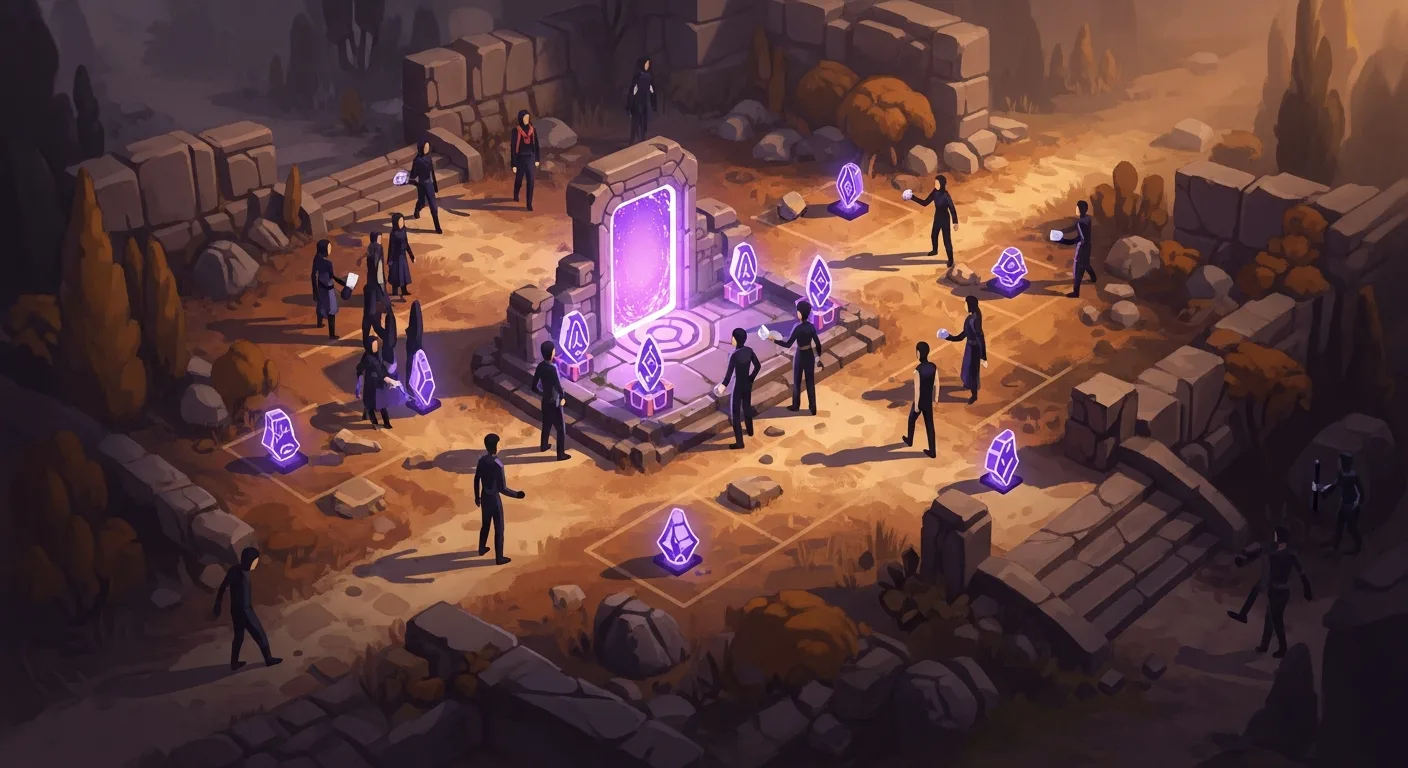

Distributed-first कंपनियाँ hybrid कंपनियों से एक बुनियादी बात में अलग होती हैं: उनके पास कोई ऑफ़िस नहीं होता। न कोई साझा जगह जिसे कुछ लोग कभी-कभी इस्तेमाल करें, न कोई headquarters जहाँ कर्मचारी चाहें तो जा सकें। एक ही जगह काम करने वाली teams में गलियारे में हुई बातचीत, किसी दूसरी team की समस्या जो कानों में पड़ जाए, दो अलग-अलग functions के बीच का साझा लंच — ये सब अनायास ही भरोसा बनाते हैं जो महीनों बाद काम आता है। Fully distributed organizations में यह सब बिल्कुल नहीं होता। Distributed teams transactional collaboration में माहिर होती हैं: async tools, documented decisions, नियमित check-ins। लेकिन किसी टीम को वास्तव में एकजुट करने वाली social capital के लिए साझे अनुभव ज़रूरी हैं, और जब कोई ऑफ़िस न हो तो ये अनुभव अपने आप नहीं बनते।
50+ देशों में पाँच साल के distributed-team programs के दौरान, हमने 300+ कंपनियों के लिए 1,500 से अधिक virtual team events design और run किए हैं। जो distributed-first clients बार-बार लौटते हैं, वे सिर्फ इसलिए नहीं आते कि games मनोरंजक हैं। वे इसलिए आते हैं क्योंकि एक structured game event उनके People Ops stack का एकमात्र ऐसा ज़रिया है जो पूरी कंपनी के लिए एक साझा reference point बनाता है — जिसे महीनों बाद भी याद किया जा सके।
Distributed teams के लिए कौन-से virtual team building games काम करते हैं, और जब टीम कभी एक साथ एक जगह न हो तो कौन-सी mechanics उन्हें प्रभावी बनाती हैं?
Distributed-first teams को असल में किस चीज़ की कमी है
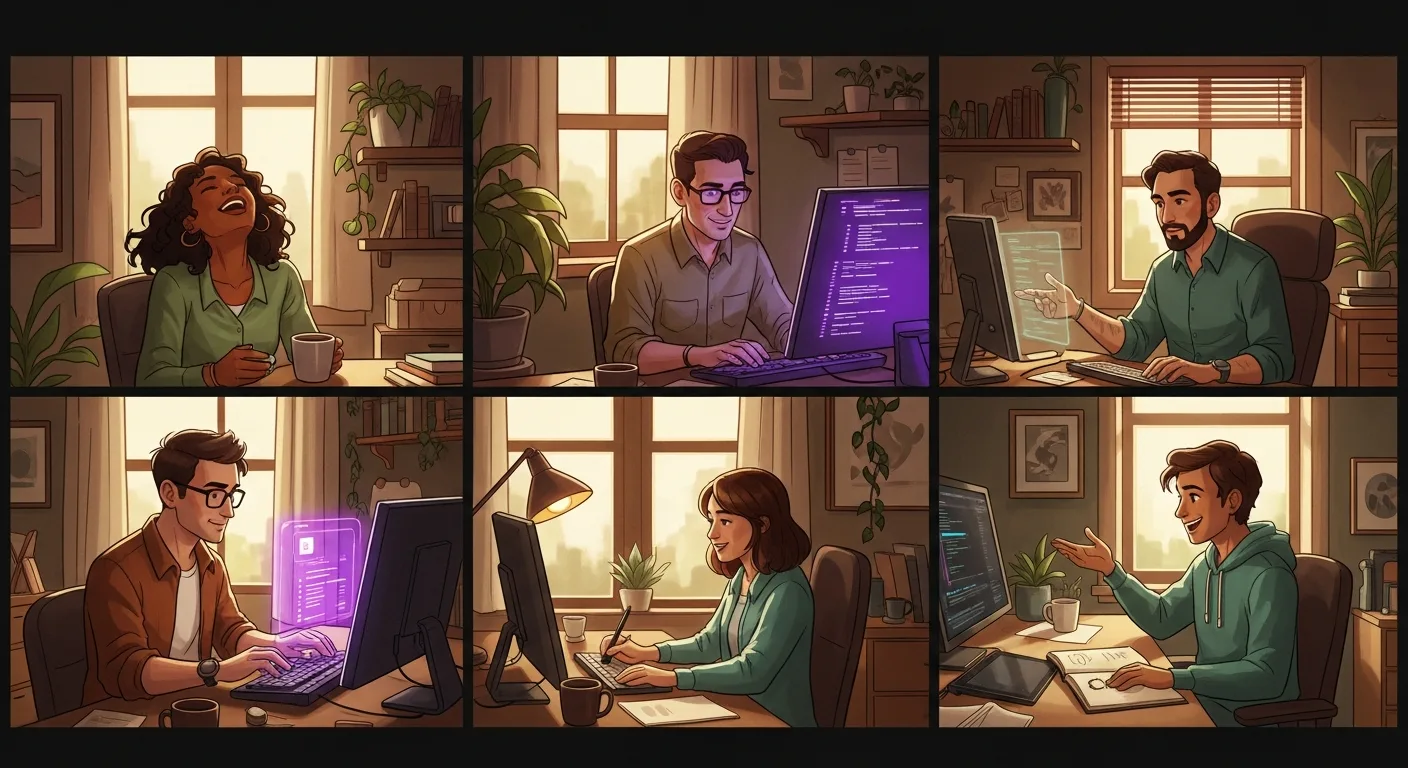
Distributed teams में कमी skill की नहीं, motivation की नहीं, और communication की भी नहीं है। ज़्यादातर distributed teams के async workflows बेहद कार्यकुशल होते हैं। कमी है incidental contact की — वे कम-दांव वाले सामाजिक आदान-प्रदान जो एक जगह काम करने वाली teams में बिना किसी कोशिश के जमा होते रहते हैं। शोधकर्ता इन्हें "weak ties" कहते हैं: वे गहरे पेशेवर संबंध नहीं जो लंबे collaboration से बनते हैं, बल्कि वह cross-functional परिचय जो संगठन को navigate करने योग्य बनाता है। Legal में वह colleague जिसके साथ आपने कभी सीधे काम नहीं किया, लेकिन ऑफ़िस की kitchen में मिलते रहे। Berlin का वह designer जो इतने video calls में दिखा कि किसी गैर-ज़रूरी बात पर DM करना स्वाभाविक लगे।
Distributed teams में weak ties अपने आप नहीं बनते। उन्हें जानबूझकर बनाना पड़ता है। Virtual team events — जिनमें छोटे-छोटे groups मिलकर किसी narrative pressure में कोई समस्या सुलझाते हैं — उन कुछ ज़रियों में से एक हैं जो बड़े पैमाने पर weak ties बनाते हैं।
इसमें कुछ specific mechanics मायने रखती हैं। Breakout groups में 4-8 लोगों को कुछ समय के लिए उन colleagues पर निर्भर होना पड़ता है जिनसे वे आम तौर पर कम interact करते हैं। Coordination puzzles के लिए real-time बातचीत ज़रूरी होती है कि कौन किस काम में अच्छा है। Leaderboard पर साझे दांव से टीम के लोगों को उन लोगों के साथ जश्न मनाने का मौका मिलता है जिनके साथ उन्होंने पहले कभी कोई जश्न नहीं मनाया। ये बातें abstract नहीं हैं। हम वे cross-org DM threads देखते हैं जो events के बाद शुरू होते हैं, वे Slack channels जो किसी साझे game narrative के इर्द-गिर्द खुद-ब-खुद बन जाते हैं, वे references जो महीनों बाद all-hands meetings में "वह team जो जीती थी" के रूप में सुनाई देते हैं।
पिछले spring में हमने एक fintech team के साथ काम किया (करीब 450 लोग, पूरी तरह distributed, North America और Europe में)। उन्होंने दो साल तक quarterly Zoom happy hours आजमाए। Attendance घट रही थी और People Ops lead ने सीधे शब्दों में कहा: यह format अच्छे दिन social maintenance था और बुरे दिन mandatory awkwardness। quarterly Marathon format में switch करने के बाद, पहले event में completion rate 68% रही। इससे भी अहम बात, People Ops lead ने हमारी debrief call में एक specific बात बताई: event से पहले जो team members Slack पर कभी interact नहीं करते थे, वे event के बाद तीन हफ्तों में एक-दूसरे के channels में दिखने लगे थे। Event ने वे weak ties बनाए जो happy hours कभी नहीं बना सके — क्योंकि happy hours में कोई coordination mechanic नहीं थी, सिर्फ एक camera और एक calendar block था।
Big Game या Marathon: distributed teams के लिए format का फैसला
Distributed teams के लिए game चुनने से पहले format तय करना ज़रूरी है, और यह फैसला आपकी team की specific structure से कहीं अधिक सीधे जुड़ा है जितना ज़्यादातर organizers सोचते हैं।
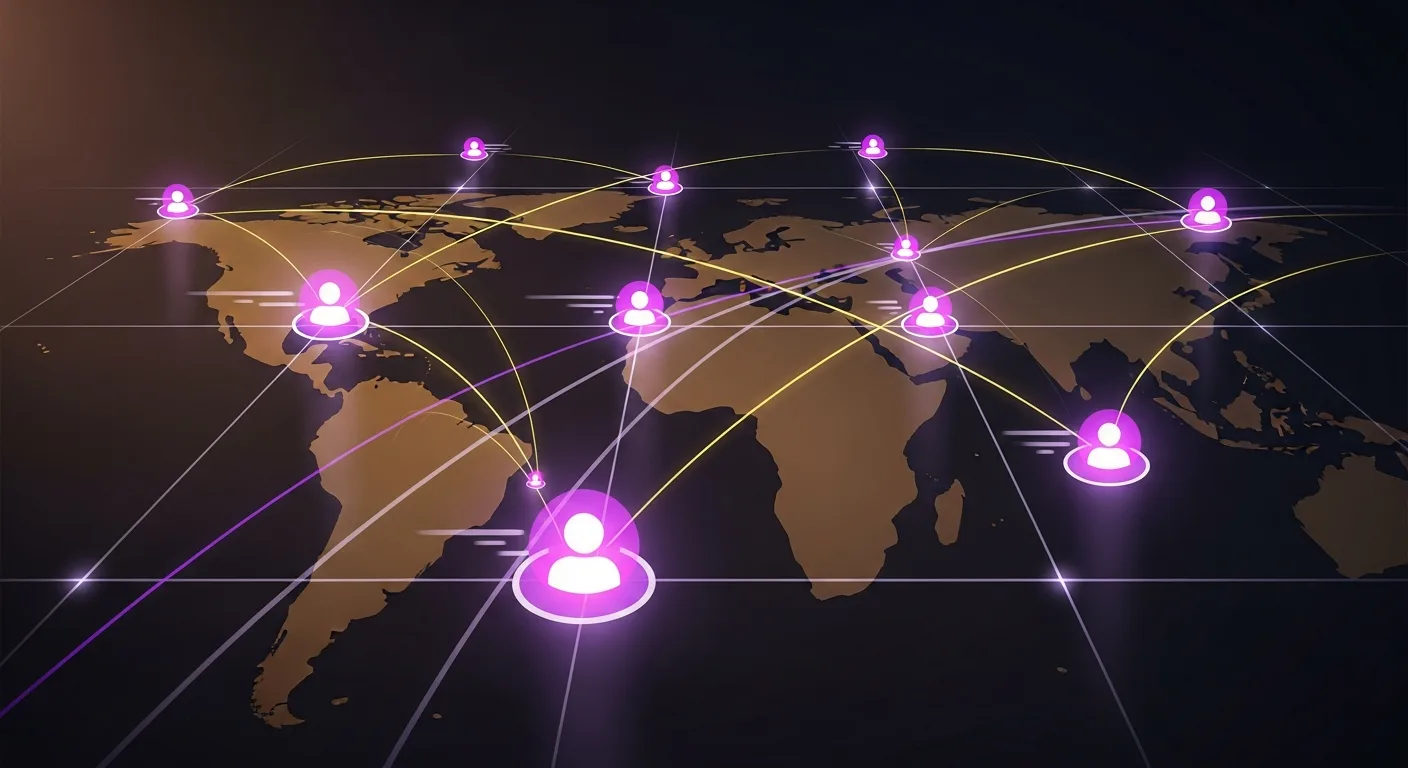
Big Game (एक single live 60-90 मिनट का synchronous event, पूरी तरह HeySparko Game Host द्वारा hosted) distributed teams के लिए तब काम करता है जब आपको कोई genuine साझी window मिले। व्यवहार में इसका मतलब है 6 घंटे या उससे कम का time zone spread। US West Coast और US East Coast — आसान। US East Coast और Western Europe — काम चल सकता है। लेकिन अगर Americas में फैले किसी mix में Asia-Pacific भी जुड़ जाए, या 8 से अधिक time zones bridge करने पड़ें, तो ऐसी window बनती है जो किसी न किसी के लिए नुकसानदेह हो जाती है। सच यह है कि या तो कोई सुबह 5:30 बजे call लेता है या event miss करता है, और इस असमानता का सामाजिक नुकसान अक्सर साझे live moment के फायदे से ज़्यादा हो जाता है।
जब window वाकई काम करती हो, Big Game साझी ऊर्जा के लिए बेहतर format है। Breakout में बैठकर किसी puzzle का जवाब debate करते हुए live leaderboard को update होते देखना, किसी competing team द्वारा वह सवाल submit करने का तनाव जो आपने अभी तक नहीं सुलझाया, और आपकी team द्वारा आठ मिनट बचते हुए final stage crack करने पर Slack का explosion — यह सब async में translate नहीं होता। इसके लिए सब एक साथ present होने चाहिए। Mission 8-Bit के लिए, जहाँ 90 मिनट की three-act structure इस तरह बनी है जैसे technical teams quarterly project phases के बारे में सोचती हैं, distributed engineering teams के kickoffs में यह synchronous shared-moment energy खास तौर पर मायने रखती है।
Marathon (1-5 दिनों के async daily game episodes, leaderboard-driven, कोई live host ज़रूरी नहीं) उन distributed teams के लिए बनाया गया है जो shared window coordinate नहीं कर सकतीं या नहीं करना चाहतीं। Players अपनी सुविधा से engage करते हैं: Singapore का pod local time 3pm पर खेलता है जबकि Austin का pod भी 3pm local पर खेलता है, दोनों एक ही leaderboard में contribute करते हुए। 500+ कंपनियों में opt-in Marathon events के लिए हम 65-78% completion rates देखते हैं, जो genuinely distributed teams में forced-synchronous events की completion से अक्सर बेहतर होती हैं। इन completers में से करीब 35% ऐसे लोग होते हैं जो live events में कभी-कभार ही या कभी नहीं आते। यह format आपकी टीम के उस हिस्से तक पहुँचता है जिसे synchronized scheduling व्यवस्थित रूप से छोड़ देती है।
ज़्यादातर distributed-first teams के लिए ईमानदार recommendation यह है: Marathon को default रखें और Big Game को उन खास moments के लिए reserve करें जब synchronous energy ही मकसद हो — कोई product launch, all-hands celebration, या kickoff जहाँ साझा live moment अपने आप में मायने रखता हो। Quarterly culture-building के लिए, Marathon का async design और multi-day story arc उस 90 मिनट की window से कहीं बेहतर sustained engagement देता है जिसे आपको छह time zones में ढूँढना पड़ता।
पहली बार organize करने वालों के लिए एक operational note: Marathon events में सबसे आम pitfall format नहीं, mid-event communication है। Day 1 launch पर एक manager का Slack message ("हम 14 में से 6वें हैं, आगे बढ़ते हैं"), चाहे छोटा ही हो, और Day 2 पर progress check करने वाला एक note, final completion rates को उन events की तुलना में 15-20 percentage points तक बढ़ा देता है जो Day 1 launch email भेजकर चुप हो जाते हैं। Leaderboard खींचने का काम करता है; manager urgency पैदा करता है। Distributed teams के लिए जहाँ किसी की पीठ थपथपाना संभव नहीं, दोनों ज़रूरी हैं।
छह games जो distributed teams के लिए काम करती हैं
नीचे दी गई छह games Big Game और Marathon दोनों formats में चलती हैं, जो आपकी team की specific structure के हिसाब से लचीलापन देती हैं। हर game distributed teams के लिए अपनी mechanic के आधार पर अलग काम करती है। यहाँ जानिए हर एक के बारे में ज़रूरी बात।
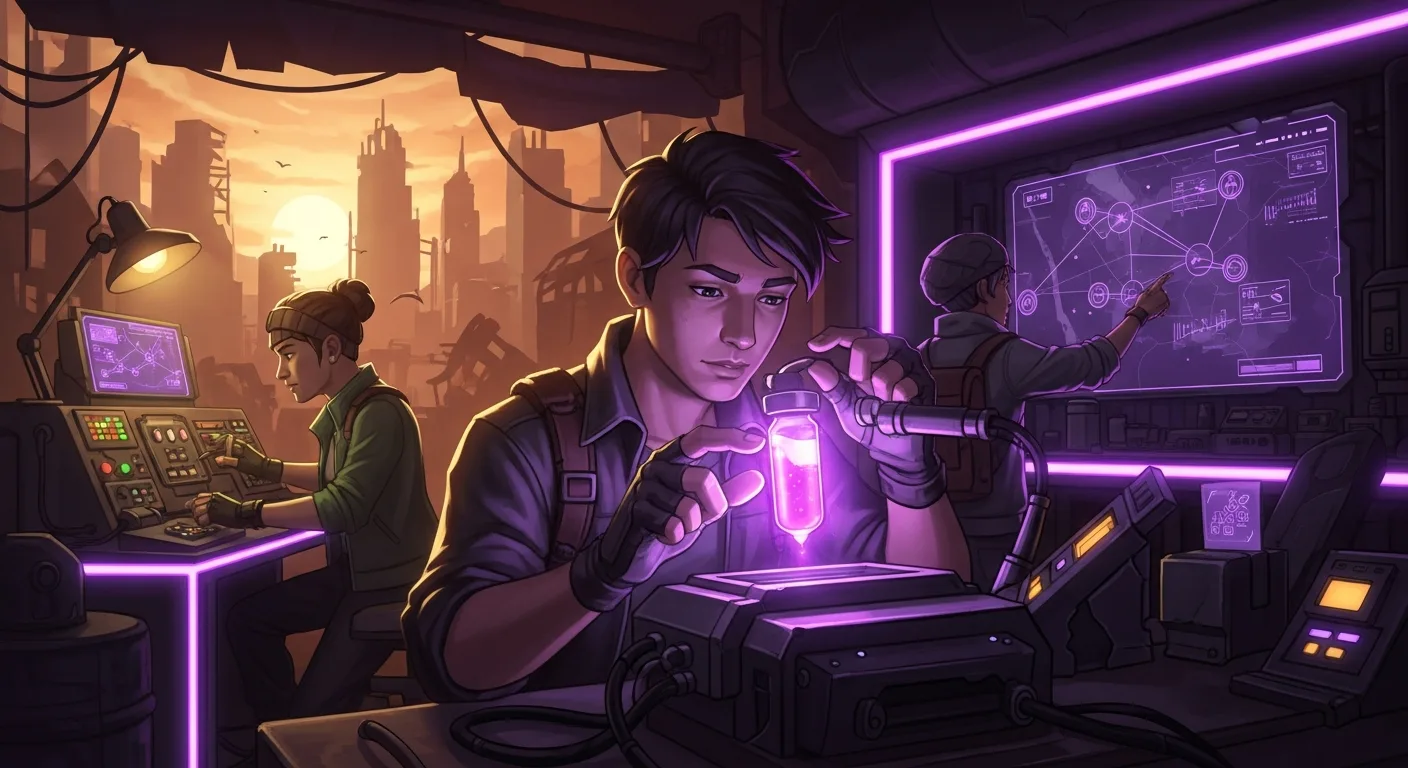
Apocalypse teams को एक post-outbreak race में डालता है — 80 मिनट में चार जगहों पर vaccine develop और distribute करनी है, इससे पहले कि आखिरी research lab गिर जाए। Distributed teams के लिए खास mechanic: role specialization। Stage 3 तक, ज़्यादातर teams बिना किसी formal assignment के खुद-ब-खुद specialists में बँट जाती हैं — logistics, synthesis, communications। उन People Ops teams के लिए जो किसी ऐसी team के coordination patterns समझना चाहती हैं जिसके manager ने उन्हें कभी एक कमरे में problem-solve करते नहीं देखा, Apocalypse event का analytics असाधारण रूप से informative होता है। हमने 25 लोगों की distributed engineering teams को देखा है जो Stage 2 के resource-management puzzle में अपने natural project leads और ICs सामने ले आती हैं। यह game टीम की latent structure को दृश्यमान बनाती है।
Last Temple Mystery हमारे catalog की flagship distributed game है। Mayan temple के चार floors पर puzzles (logic, observation, deduction) जो coordinate mechanics पर बनी हैं और engage होने के लिए किसी साझे सांस्कृतिक reference point की ज़रूरत नहीं। Game खुलने के साथ mythology अपना symbolic logic खुद सिखाती है। Marathon format में, floor-by-floor structure natural daily episode breaks बनाती है जो time zones के पार async play के लिए बिल्कुल सही हैं। 100 से 1,000 players वाली distributed teams के लिए, यह सबसे consistently low-friction option है जिसे हम recommend करते हैं।
Wintervald Hotel Mystery एक snowbound luxury hotel में set Agatha Christie-style whodunit है। Distributed teams के लिए यह वह काम करती है जो ज़्यादातर games नहीं करतीं: deduction structure ऐसी debate पैदा करती है जो event खत्म होने के बाद भी जारी रहती है। #general Slack thread जिसमें असली killer कौन था और क्या obvious suspect एक misdirect था — यह debate event के बाद दिनों तक चलती है, और उन team members को भी खींच लाती है जो game के दौरान एक ही breakout group में नहीं थे। Distributed teams में जहाँ cross-org परिचय कम है, ये post-event conversations अपने आप में relationship infrastructure हैं। यह game उन लोगों को एक कारण देती है जो पहले कभी नहीं मिले थे — किसी professionally irrelevant बात पर productive असहमति करने का। उन teams के लिए जो slow-burn atmospheric tension को parlor-style deduction से बेहतर मानती हैं, Book of Awakened Nightmares समान mystery-adventure territory को quieter intensity और एक ensemble narrative structure के साथ cover करती है।
Under the Big Top एक vintage circus mystery है: एक missing performer, wonderfully strange suspects का एक cast, backstage tents और animal pens में deduction के तीन stages। Marathon format इसके लिए विशेष रूप से उपयुक्त है। Multi-day investigation rhythm players को episodes के बीच suspect theories develop और refine करने देती है, बजाय जल्दबाजी में verdict देने के। International members वाली distributed teams के लिए, circus aesthetic बिना किसी साझे national reference point के सभी संस्कृतियों में काम करती है। यह गर्मियों में सबसे ज़्यादा popular है लेकिन investigation mechanic साल भर काम करती है।
Mission 8-Bit distributed engineering और tech teams के लिए साल भर की choice है। तीन-act structure (hostile office से escape, 1980s computer rebuild करना, 8-bit digital world में enter करके killcode assemble करना) ठीक उसी तरह है जैसे technical teams project phases के बारे में सोचती हैं: setup, build, ship। Q1 kickoff के लिए, narrative arc एक साझा project metaphor बनाती है जो real work में carry होती है। Team members के 8-bit sprite versions, event के बाद एक sheet के रूप में deliver किए जाते हैं — Slack avatars और internal swag बन जाते हैं, वह साझा artifact जो event को daily team culture में महीनों तक जीवित रखता है।
Stolen Hours उन distributed teams के लिए December का option है जो holiday-themed parody की बजाय genre-bending imagination चाहती हैं। Postapocalyptic, cyberpunk, steampunk, और biopunk worlds में Santa की stolen clock hands recover करने की यह chase Pixar-level stylized है, gory नहीं, और किसी single holiday tradition को center नहीं करती — जो इसे हमारे catalog की सबसे globally inclusive year-end games में से एक बनाती है। 12+ देशों में फैली distributed teams के लिए, यह cultural neutrality एक practical फायदा है। चार worlds अलग-अलग player strengths को सामने लाते हैं: कुछ लोग gritty postapocalypse stage में चमकते हैं, अन्य cyberpunk decode phase में — यह natural role rotation खास तौर पर उन distributed teams के लिए उपयोगी है जिनके members अभी एक-दूसरी की non-work क्षमताओं से परिचित नहीं हैं।
Distributed team engagement पर data क्या कहता है
Distributed teams और engagement पर research विभिन्न sources में consistent है, भले ही वे एक ही समस्या को अलग-अलग कोण से describe करते हों।
Microsoft के 2025 Work Trend Index (Breaking Down the Infinite Workday) ने — जो 31,000 knowledge workers के survey और Microsoft 365 telemetry पर आधारित है — पाया कि अब 30% meetings multiple time zones में फैली हैं — 2021 के बाद से 8 percentage point की absolute वृद्धि। Distributed-first organizations के लिए यह data point format decision को नए नज़रिए से देखता है: सभी collaborative work का एक तिहाई पहले से ही ऐसी time zone boundaries में हो रहा है जिसे कोई एक live event आराम से bridge नहीं कर सकता। Marathon का async daily-episode design ठीक उसी reality के लिए बना है — players अपने time zone से engage करते हैं, एक ही leaderboard में contribute करते हैं, और People Ops lead को event के बाद team और manager के हिसाब से breakdown किया हुआ analytics report मिलती है। जिस manager के pods तीन महाद्वीपों में हों, वह देख सकता है कि किसने अपने local day में कब engage किया, leaderboard पर उनकी team कहाँ रही, और उनके distributed roster का कौन सा हिस्सा engage हुआ। यह intelligence उन्हें किसी और तरीके से नहीं मिलती जब वे अपनी reports को साझे environment में observe नहीं कर सकते।
Microsoft के 2024 Work Trend Index ने — जिसने 31 देशों में 31,000+ workers का survey किया — पाया कि 57% distributed workers live options की बजाय asynchronous engagement options prefer करते हैं। Distributed-first HR teams के लिए इसका operational implication सीधा है: events को default रूप से async के लिए design करें और synchronous को उन specific moments के लिए premium option मानें जब live shared energy ही specific goal हो। हमारी Marathon completion rates — opt-in events के लिए 65-78% — दर्शाती हैं कि जब इस preference को respect किया जाता है।
Deloitte की 2023 Human Capital Trends report में पाया गया कि 46% employees pandemic से पहले की तुलना में अपने colleagues से कम connected महसूस करते हैं। Distributed-first companies के लिए यह disconnection attitudinal नहीं, structural है: साझे physical space की ambient proximity के बिना, team members के बीच connections तब तक decay होते हैं जब तक कोई चीज़ सक्रिय रूप से उन्हें maintain न करे। एक structured engagement event यह सब नहीं सुलझाता, लेकिन यह एक साझा reference point बनाता है — "वह हफ्ता जब हम सबने vaccine के पीछे भागे" — जो distributed teams को अन्यथा organically नहीं मिलता, चाहे उनकी async communication practices कितनी भी मजबूत क्यों न हों।
Academic literature एक program बनाने का समर्थन करती है, न कि isolated events run करने का। Anog et al. की 2023 systematic review (60+ studies on team-building interventions, SSRN के through published) में पाया गया कि structured team-building activities consistently satisfaction बढ़ाती हैं और turnover घटाती हैं, और यह प्रभाव तब और बढ़ जाता है जब इन्हें standalone events मानने की बजाय एक broader development strategy में integrate किया जाए। Distributed teams के लिए विशेष रूप से, यह "broader strategy" framing annual one-off की तुलना में recurring quarterly events का सबसे मज़बूत तर्क है। Engagement signal एक cadence में compound होता है उन तरीकों से जो single December event नहीं दे सकता — जो teams पहले खेल चुकी हैं वे format जानती हैं, pod composition के बारे में हफ्तों पहले से strategy बनाती हैं, और event में एक social readiness लेकर आती हैं जो cold-start first-timers के पास नहीं होती।
जहाँ leadership को financial argument चाहिए, वहाँ के लिए: SHRM की 2024 cost-per-hire research के अनुसार किसी non-executive की departure की average cost पंद्रह से इक्कीस हज़ार dollars होती है, जिसमें recruiting और ramp time शामिल है। एक quarterly engagement program जो 400-person distributed team में voluntary turnover को एक या दो points भी कम करे, अपने event budget के कई गुना cover कर लेता है। एक बार यह math सामने रख दी जाए तो यह complicated नहीं रहती।
अक्सर पूछे जाने वाले प्रश्न
Distributed team के लिए कौन-सी virtual team building game काम करती है?
Distributed teams के लिए तीन mechanics सबसे ज़्यादा मायने रखती हैं: 4-8 लोगों का breakout group work, जो ऐसे colleagues के बीच temporary interdependence पैदा करता है जो सामान्यतः कम collaborate करते हैं; coordination puzzles, जिनके लिए real-time बातचीत ज़रूरी होती है कि कौन किस काम में अच्छा है; और एक साझा leaderboard जो पूरी कंपनी को pods में notes compare करने का कारण देता है। ये mechanics वे weak-tie social connections बनाती हैं जो distributed teams normal async workflows से नहीं बना पातीं। जिन events में genuine breakout coordination नहीं होती — जहाँ सब एक जैसे सवाल individually जवाब देते हैं — वे इस मकसद से चूक जाते हैं और distributed teams को वहीं छोड़ देते हैं जहाँ वे थीं।
Distributed team building event में कितने लोग शामिल हो सकते हैं?
HeySparko के दोनों formats 10,000 players तक scale होते हैं। Big Game में 5-8 के breakout teams होती हैं, एक साझा Game Host और live leaderboard के साथ; कुछ सौ से अधिक groups एक unified leaderboard पर competing squads में बँट जाते हैं। Marathon किसी भी player count को asynchronously support करता है, leaderboard mechanic time zones के पार बिना किसी को simultaneously online हुए competition बनाती है। हमारे अनुभव में, ज़्यादातर distributed-first teams के लिए practical range 50-1,000 players per event है, हालाँकि हमने 5,000 से अधिक players वाले global enterprises के लिए Marathon events run किए हैं। 50 से कम लोगों के लिए, Big Game सामान्यतः बेहतर social density देता है, क्योंकि breakout groups तब meaningfully competitive feel होते हैं जब उनकी पर्याप्त संख्या हो।
क्या virtual game event किसी distributed company के full team offsite की जगह ले सकता है?
पूरी तरह नहीं। Offsite कुछ ऐसी चीज़ें cover करता है जो game event नहीं करता — extended real-time collaboration, leadership visibility, और informal relationship time जो कई दिन in person span करता है। Virtual game event जो अच्छी तरह करता है वह है offsite के shared-experience function को substitute करना: यह common reference point और relationship surface बनाता है जो in-person time normally generate करता है। हम आमतौर पर देखते हैं कि distributed-first teams quarterly game events को annual या biannual offsites के बीच steady-state के रूप में इस्तेमाल करती हैं, न कि उनके replacement के रूप में। वह cadence (साल में एक-दो बार offsite, हर quarter structured game event) annual all-hands की तुलना में बेहतर sustained engagement देती है जिसके बाद बीच में कुछ नहीं होता।
Post-event analytics HR leaders को उनकी distributed team के बारे में क्या बताता है?
Marathon format team, manager, और event day के हिसाब से breakdown किया हुआ analytics देता है: participation rate per pod, coordination signals, NPS pulse, और event days में leaderboard trajectory। Distributed teams के लिए जहाँ managers अपनी reports की day-to-day dynamics को directly observe नहीं करते, यह data team health patterns सामने लाता है जो HR stack में कहीं और नहीं दिखतीं। जिस manager की team लगातार Marathon window में देर से engage करती है, उसके पास शायद time zone configuration की कोई problem है जिसे किसी ने नाम नहीं दिया। High participation लेकिन low coordination signals वाली team शायद individually खेल रही है, unit के रूप में नहीं — एक dynamics flag जो बातचीत का हकदार है। Analytics judgment की जगह नहीं लेता, लेकिन distributed team dynamics को visible बनाता है उन तरीकों से जो standard engagement survey data नहीं करती।
हम ऐसे games कैसे चुनें जो हमारी distributed team की अलग-अलग संस्कृतियों में काम करें?
Logic, observation, और coordination mechanics पर आधारित narrative adventure और mystery games के लिए किसी साझे सांस्कृतिक reference point की ज़रूरत नहीं होती — यही कारण है कि ये internationally distributed teams में काम करती हैं जहाँ trivia-format events अक्सर नहीं करते। Last Temple Mystery या Wintervald Hotel Mystery के puzzle mechanics culturally neutral हैं, भले ही setting stylized हो — क्योंकि challenges knowledge-based नहीं, deduction-based हैं। December events के लिए विशेष रूप से, Stolen Hours किसी single holiday tradition को center नहीं करता, जो इसे 10+ देशों में distributed teams के लिए एक reliable year-end choice बनाता है।
Distributed-first team को virtual team building events कितनी बार करने चाहिए?
Quarterly वह cadence है जो हमारे data में compounding engagement देती है। Annual या biannual events साझे अनुभव बनाते हैं लेकिन program नहीं। एक event में बनी social capital अगले event आने से पहले आंशिक रूप से decay हो जाती है। Quarterly का मतलब है साल में चार साझे reference points, हर एक पिछले पर build करते हुए। तीसरे या चौथे event तक, हम कुछ specific देखते हैं: team members event launch होने से पहले pod formation की strategy बनाने लगते हैं — जिसका मतलब है game टीम की culture का हिस्सा बन गई है, न कि कोई vendor product जिसे People Ops lead को हर बार फिर से बेचना पड़े। यही outcome target करने लायक है। Recurring programs के लिए pricing और configuration options /hi/pricing पर हैं।