Most team building events feel like they could have been run for any company. The host opens with "Good afternoon, [Company] team," a well-produced game proceeds, and by Friday no one is quite sure whether the event was good or just professionally forgettable. HR leaders who've run several of these recognize the pattern: the platform worked, the team participated, the NPS score came back in the acceptable range. What it didn't do was feel like it came from inside the company.
Since 2020, we've delivered virtual team events to 700+ companies across 50+ countries — 2,000+ events in the portfolio so far. The request that has grown most year over year is some version of: "Can you make it feel like ours?" That shift — from "run a good event" to "make it represent us" — is what the customization conversation is really about.
How do you turn a virtual team building event into something that feels like your company built it rather than bought it?
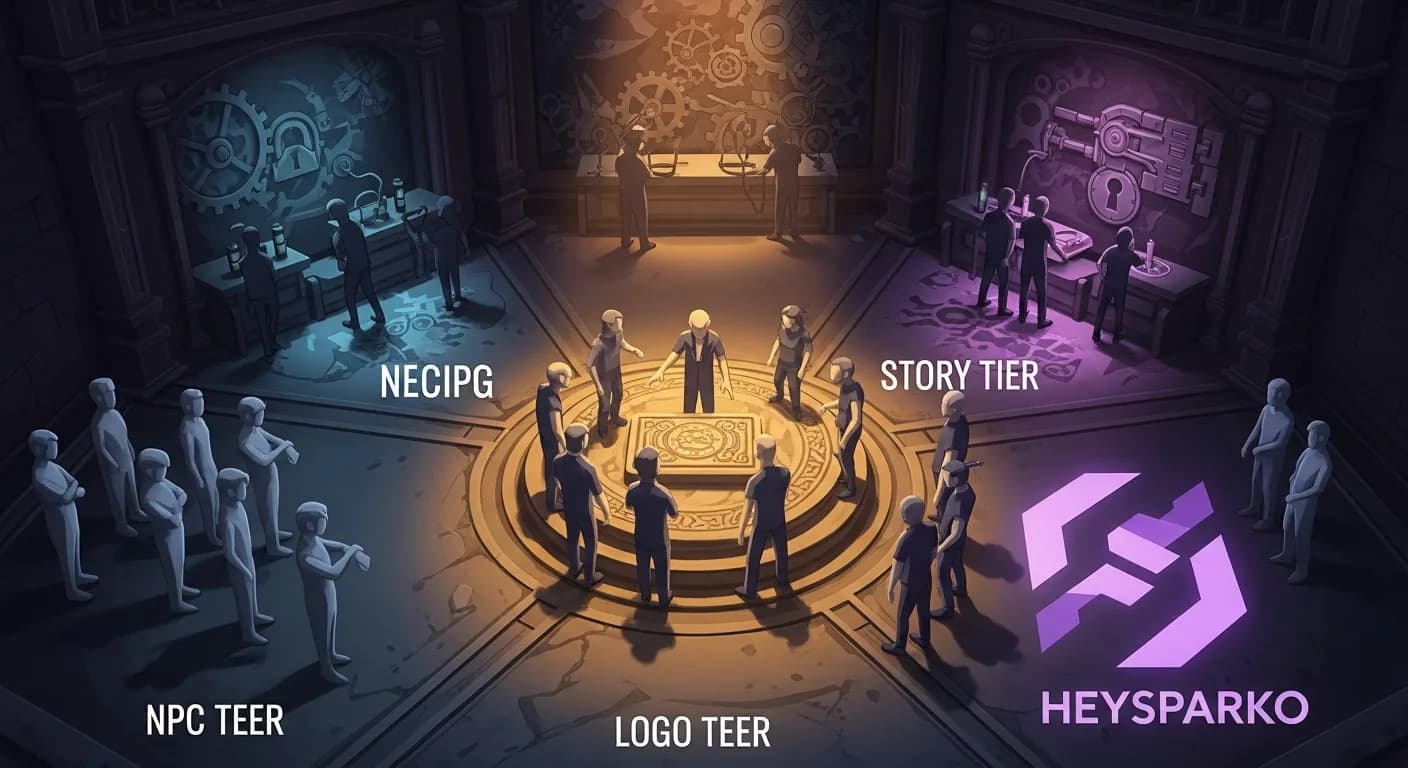
The Three Layers of Customization — and What Each One Touches
When players see your company's brand colors on the game interface instead of our default palette, something shifts in the room. It's a small change on paper — the Logo tier is the simplest of the three customization options to describe — but the moment the leaderboard carries your logo and the completion certificate looks like something your organization produced rather than a vendor handed out, the event sends a different signal to participants. Someone designed this for them specifically.
The NPC tier changes what the characters say rather than what players see. The game's narrator, guide, or antagonist starts speaking in your internal language: real terminology, actual tools, the cultural shorthand that only lands with someone inside the organization. We've watched engineering teams immediately sit forward when a character references the platform migration they've been in the middle of for six months. When the game's cast sounds like the company — not a generic fictional world — the experience stops functioning as entertainment and starts operating as recognition. The effect is immediate and hard to manufacture any other way.
Story goes furthest of the three. Same puzzle mechanics, same host, same game structure — the entire narrative gets rewritten to fit your company's situation. An anniversary event can have the final reveal tie back to the company's actual founding arc. A pre-launch team can run an 80-minute thriller whose mission is a version of the release they're preparing for. A team going through a reorg can work through a bureaucratic crisis that reads like their own. This is where customization stops being branding and starts being the company building an event for itself, with HeySparko handling the production.
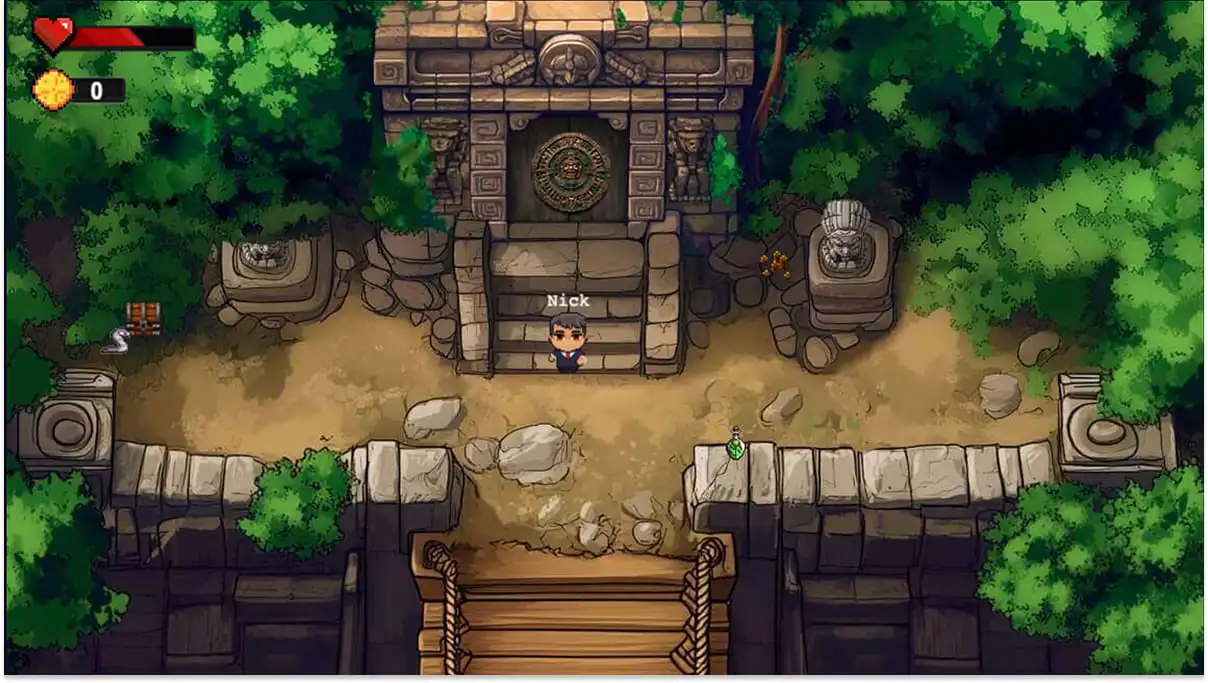
Customize for your team
TYPE 1
Your team as in-game characters
Real team members, mascots, or characters from your games as NPCs.
TYPE 2
Your brand integrated natively
Logo and brand elements native to game environments — locations, items, UI.
TYPE 3
Your story woven into the game
Company milestones, products, and inside references woven into puzzles, dialogues, and tasks.
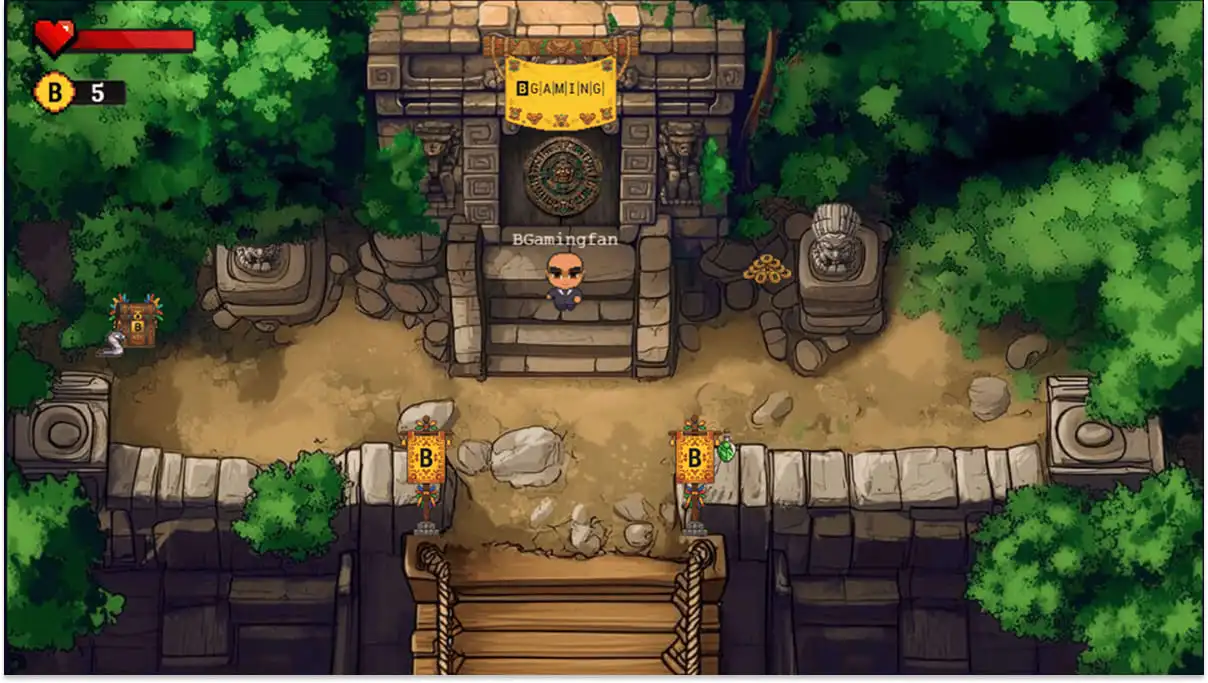
BGaming — the international iGaming company, around 400 employees distributed across 12+ countries — ran their company anniversary with all three tiers combined. NPC, Logo, and Story together: real team members embedded as characters, the company's actual founding arc as the narrative conclusion. Participation came in at 89%, against a target of 75%. What the post-event survey captured wasn't the game itself; it was the cross-functional conversations that followed over the next weeks, between engineering and business-operations teams that don't typically share much cultural vocabulary. That's what full customization can produce when the game choice and the brief are aligned.
One operational note that matters early in the planning conversation: the tiers share one lead-time requirement. Logo, NPC, and Story each need 10 business days: the NPC dialogue rewrite requires real input and an iteration cycle to get right, and Story has an alignment call, a first-draft arc, and a revision pass before anything is locked. Book five days before the event and customization isn't available for that one. The next event is where to build it in.
Big Game vs. Marathon — Where Customization Lands Differently
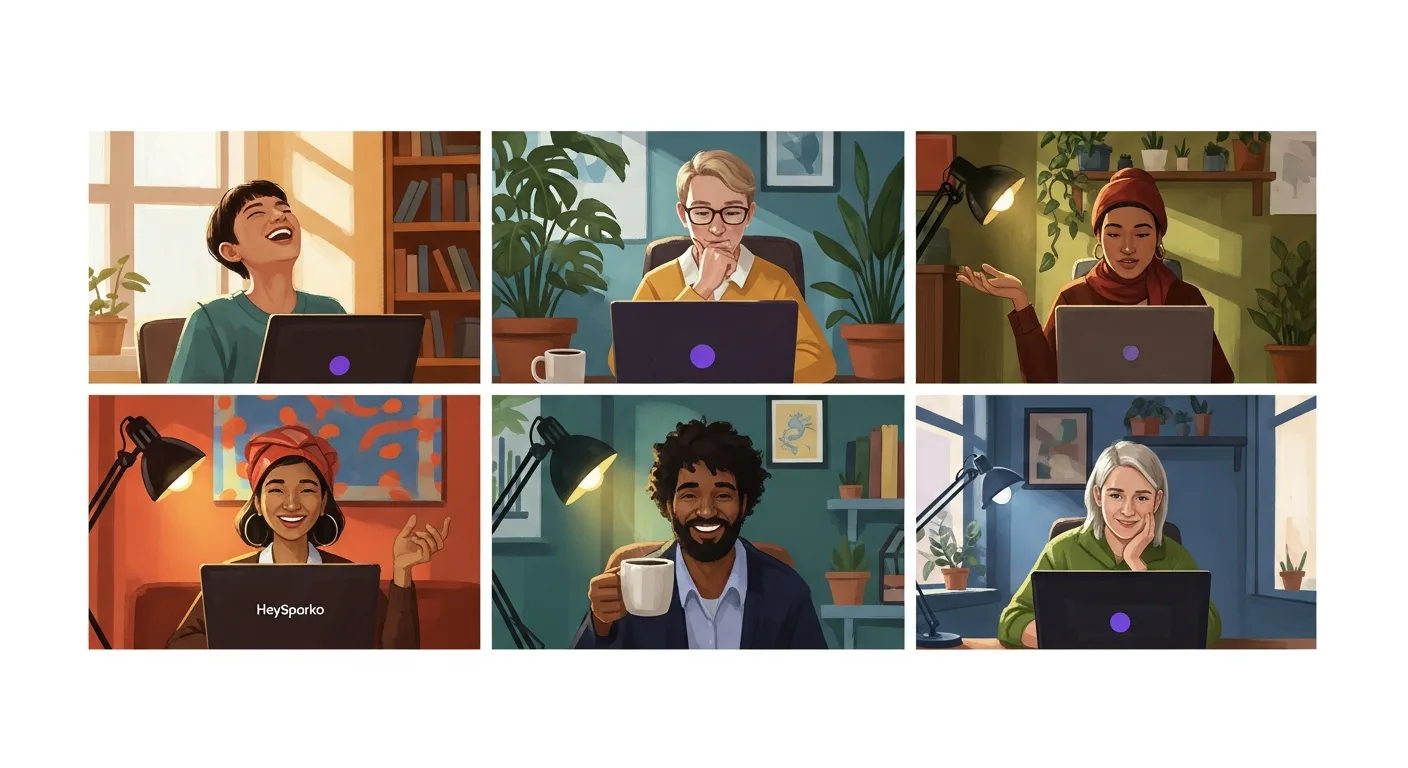
The format question shapes the customization experience more than the tier choice does, which is something we bring up early in nearly every scoping conversation. A custom branded team building event in Big Game format delivers the customization once, intensely, in a shared moment. Marathon delivers it repeatedly over days, at each player's own hour. The difference is more than logistical.
A Big Game is a single synchronous event — 60-90 minutes, everyone in the same session, the branded leaderboard on every screen at once. When the NPC drops a real internal reference, the whole company hears it together. The story reveal happens in a live room. The energy of shared recognition — laughter at a character who sounds like the CEO, a plot beat that mirrors what the team is actually navigating — is real and immediate in a way that async can't replicate. You can feel the difference between a room that recognized something and one that merely followed along.
Marathon runs differently. One to five days, episodes unlocking daily, players engaging on their own schedules. For distributed teams, the math is simple: if your company has people in Singapore, London, and Chicago, no single live window covers everyone without forcing a 6am call somewhere. Marathon removes that problem. Each player encounters the customization on their own schedule — the branded interface when they check the morning leaderboard, the NPC dialogue in Episode 2 that builds on Episode 1, the story beat that's been accumulating across days. Brand recall multiplies through repetition rather than living in a single shared moment.
In our work with distributed tech teams, the observation we hear most often after a customized Marathon is that it didn't feel like they bought a branded event. It felt like the company had built something and published it to the team in chapters. The player who notices the internal reference in Episode 1 comes back for Episode 3 partly to see where it leads — not because they're required to, but because the story is theirs.
For Big Game events where the customization should carry urgency, Apocalypse and Mission 8-Bit are the games where NPC and Story tiers hit hardest. The time-pressure mechanics amplify branded narrative in a way that slower-paced games don't. For Marathon customization, Bureau of Magical Affairs runs particularly well with NPC tiers: the game's four-case structure gives branded characters multiple points of contact across episodes rather than a single appearance.
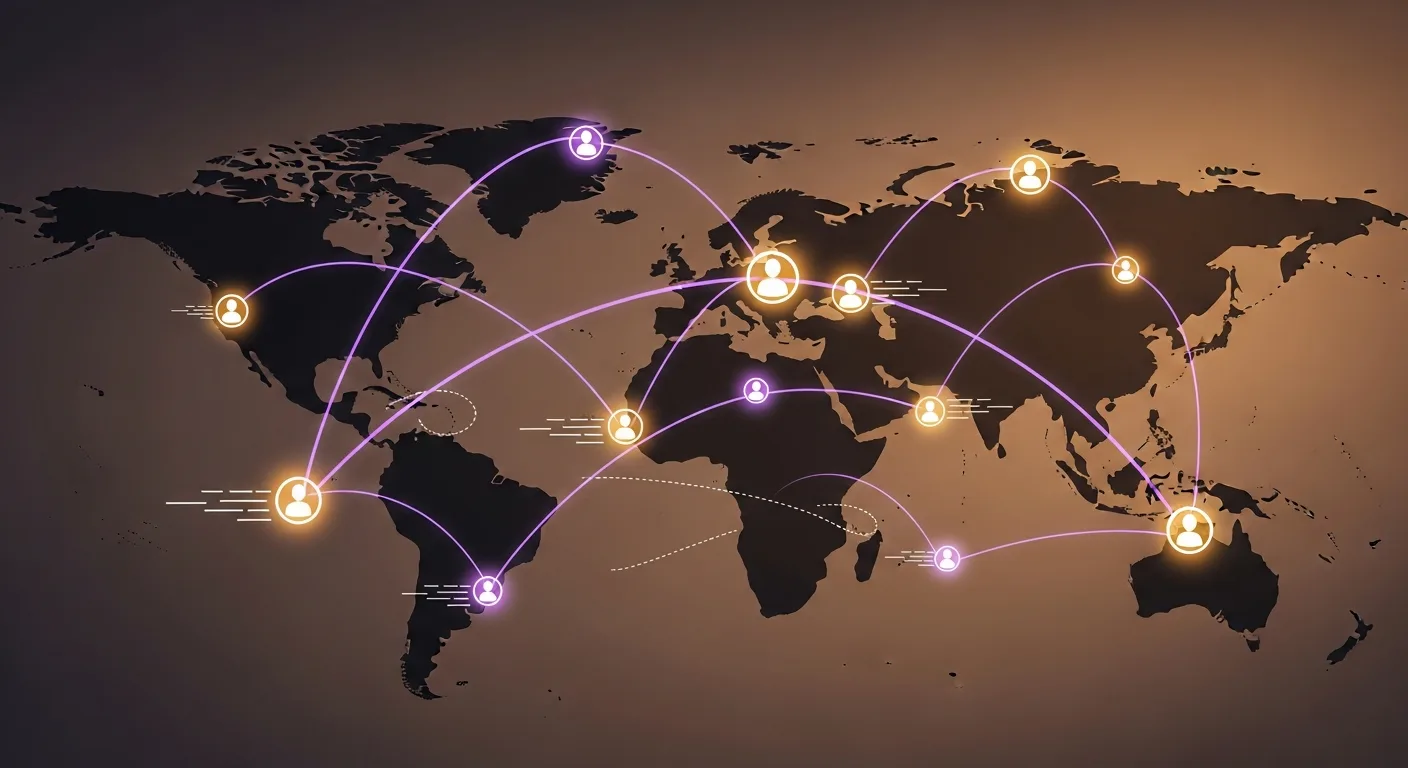
If your team spans more than six or seven time zones, Marathon removes the scheduling problem that kills most distributed event plans. We see completion rates of 78-92% across opt-in Marathon events at distributed companies, and the 35% who wouldn't attend a mandatory live window engage with async formats at meaningful rates. They're not disengaged employees — they're employees whose calendar math never works for synchronous windows.
Matching the Game to What the Brand Needs to Say
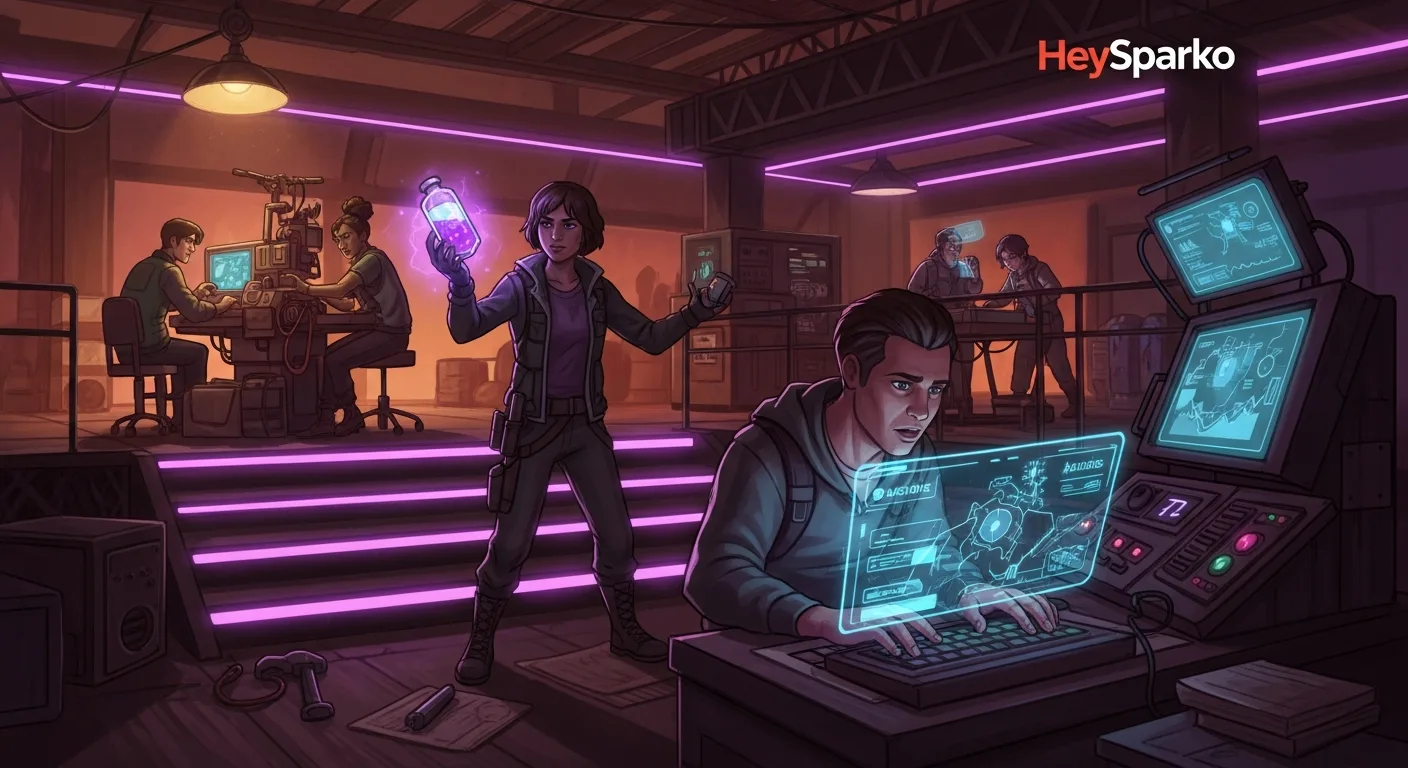
Game selection is where customization strategy either clicks or falls apart. The game's existing aesthetic sets a ceiling on what the customization can do. Choose a game that's tonally mismatched with the brand's identity and try to customize around that conflict, and the result usually reads like a costume rather than an identity — the narrative sits on top of the game rather than inside it.
For enterprise and professional-services cultures — legal, finance, consulting environments where sophistication matters — Wintervald Hotel Mystery has the tonal weight to carry a Story customization about an acquisition closing, a leadership transition, or an IPO moment. When the mystery's central premise becomes "who didn't want the deal to close?" and the suspects draw from the company's actual stakeholder map, the game stops functioning as entertainment. We've seen that specific construction work for finance teams navigating a merger they didn't choose — the murder mystery format gives the team a way to process a real situation through the safe distance of fiction.
For anniversary events and milestone celebrations, Under the Big Top's traveling-troupe premise offers a structural metaphor for a company's journey that doesn't feel forced: different chapters, the same core cast, moving somewhere together. Story customization here often maps real team functions to circus roles — engineering as inventors, sales as ringmasters, design as costumers — and weaves the company's founding narrative into the final reveal. For teams at multi-year milestones where the customization can honor actual company history rather than invent a fictional one, this game lands with more weight than a generic "celebration event."
For engineering-heavy or startup cultures, Mission 8-Bit's three-act structure — escape the hostile office, rebuild the machine, ship the patch — maps onto quarterly project rhythm so cleanly that Story customization can make the game's mission literally about the launch the team is preparing for. We didn't expect this game to become our most-requested kickoff format; the three-stage arc just fits. Apocalypse works differently for NPC customization: embedding real team members as the response squad changes how participants engage with the coordination challenges because the characters share their actual roles.
For year-end events where the team wants something more imaginative than a holiday format identical to last year's, Stolen Hours offers the widest canvas for Logo and Story work. The four genre-worlds — postapocalyptic, cyberpunk, steampunk, biopunk — each provide a distinct visual surface for brand integration, and the time-restart premise maps naturally onto a company's year ending and a new one beginning. The Pixar-style art keeps it accessible; the genre variety keeps it from feeling like one prolonged metaphor.
Bureau of Magical Affairs is the game where NPC customization has the most texture for organizations with a strong internal culture and a willingness to laugh at their own operational chaos. The bureaucratic-investigation premise mirrors almost any team going through a system migration, a reorg, or a hyperscaling sprint. Case files get rewritten to reference real internal problems; the game's tone treats workplace chaos as comedy, which gives the customization room to be sharp without being awkward or cheap.
The principle across all six: the existing narrative aesthetic has to be moving in the same direction as what the brand needs to say. Story customization works when the game's world and the company's identity are aimed at the same thing. When they're not, no amount of clever writing fixes the mismatch.
What the Research Tells Us About Branded Events, Collaboration, and Return
The case for investing in a branded tier rather than a stock event rests on a collaboration problem that most leadership discussions understate.
Atlassian's State of Teams 2024 report estimates that 25 billion work hours are lost annually to ineffective collaboration within the Fortune 500; 93% of executives surveyed said their teams could deliver similar outcomes in half the time if they collaborated more effectively. The 25 billion figure is Atlassian's extrapolation from executive survey data rather than a direct count — the qualifier matters — but the directional argument is grounded in something we see at the team level: most organizations don't have a tool gap. They have a relational one. The software is there; the shared context that makes the software work efficiently is not. Custom branded events address that gap in a way generic events don't. When the game uses your language, references your situation, and carries your identity, it creates shared context that outlasts the 90 minutes or the three-day Marathon.
A systematic review by Anog et al. (SSRN, 2023) of 60+ team-building studies found that structured activities increase satisfaction and reduce turnover, with effects amplified when the activity integrates into a broader development strategy rather than running as a one-off. The branded dimension of a custom event supports that integration directly. A stock event is a good team day. A branded event is a chapter in the company's story — something that can be referenced in the months after without the reference feeling like "remember that generic thing we did?"
On the burnout side, Deloitte's 2024 Burnout in the Workplace report found that workers attending two or more company-sponsored events per quarter report 23% lower burnout symptoms. The same report found that 31% of respondents named lack of recognition as their top burnout driver, ahead of workload for the first time. Events that carry company identity signal recognition in a way that vendor events don't. When the characters speak in the company's language and the environment reflects its brand, employees read that signal — someone thought about us. That reading is different from "HR booked a thing."
Microsoft's 2024 Work Trend Index found that 57% of distributed workers would prefer async-engagement options over mandatory live events. For HR leaders deciding between Big Game and Marathon, that finding has practical implications beyond preference. A live event where 43% of the team skips isn't a successful engagement event regardless of how well-produced the game was. An opt-in Marathon with 78-92% voluntary completion — which is what we see across our portfolio — tells a different story. Customization is one factor that moves the completion curve: when employees encounter an event that reads as the company's rather than a vendor product, the motivation to engage is qualitatively different.
CultureAmp's 2024-2025 State of Culture report found companies with above-median engagement scores carry 31% lower voluntary turnover than those below the median. We're not drawing a direct line from a single branded event to a specific retention outcome — the data doesn't support that kind of causal claim cleanly. What it supports is that cadenced, identity-connected engagement investment builds a cumulative buffer. A branded event once is a data point. A branded event on a rhythm, as part of how the company communicates with its own people, is something else.
Frequently Asked Questions
How far in advance do you need to book a custom branded team building event?
Every customization tier needs 10 business days of lead time, and that matters for planning. That covers Logo integration, NPC customization (rewriting character dialogue to use your company's voice and internal language requires real input and an iteration cycle to get right), and Story customization (there's an alignment call, a first-draft narrative arc, and a revision pass before the brief is locked). Book five days out and customization isn't available for that event; the next one is where to build it in.
What's the difference between the NPC, Logo, and Story tiers — and do we need all three?
Each tier operates on a different layer of the experience, and most clients choose one or two based on what the event is trying to accomplish. Logo changes the visual layer: brand colors, your logo on the leaderboard, branded take-home materials. NPC changes how the characters speak: internal language, team references, your communication style baked into the dialogue. Story changes the narrative: the game's plot ties to your company's real situation, milestone, or challenge. Anniversary events tend to prioritize Story. Customer-facing events lean toward Logo. Teams with strong internal cultures usually find NPC lands best. The tiers stack when the event calls for full identity integration. See /en/pricing for current details.
Can a custom branded event scale to 500 or 1,000 employees?
Both formats scale to 10,000 players without structural changes to how the customization works. Big Game splits large groups into competing squads on a shared leaderboard; Marathon is asynchronous by design, so player count is less of a coordination problem to begin with. The customization — NPC, Logo, or Story — applies at the game level rather than per-player, which means a 1,000-person event and a 100-person event run the same branded experience. For teams with 8+ time zone spread, Marathon ensures every employee encounters the customization on their own schedule rather than on a window that disadvantages someone's continent.
Does the team realize the event was customized, or does it blend into the game?
Both happen, and the combination is what makes customization work. Players notice the internal references — a character using a company nickname, a leaderboard that matches the team's naming conventions, a story beat that mirrors something the organization is going through. That recognition moment signals "someone built this for us," which is the intent. At the same time, the customization lives inside a game with genuine mechanics and a professional host, so it doesn't tip into internal-presentation territory. When a Story tier lands well, players engage with the narrative because it's good storytelling and realize afterward how much company context was threaded through it.
What format works better for a custom branded event — Big Game or Marathon?
The answer depends primarily on how distributed the team is, not on which format handles customization better. Both support all three customization tiers. Big Game delivers the branded experience as a shared moment: everyone encounters the reveal simultaneously, and the energy of collective recognition is something async doesn't replicate. Marathon delivers it as a multi-day encounter: each episode reinforces the customization through repetition, and the async design means distributed teams participate without anyone taking a 6am call. If the team fits in a single time-zone window and you want that live-room energy, Big Game is the choice. If it doesn't fit, Marathon's reach is worth more than Big Game's intensity.
How do you measure whether a custom branded team building event was worth it?
The most useful signals aren't all in the same dashboard. Participation rate against your company's typical live-event attendance tells you whether the format or identity change moved the needle. Post-event NPS alongside free-response answers that mention branded elements by name tells you whether the identity signals actually landed. The manager observation in the two weeks after — cross-functional conversations that wouldn't have happened, references to the game's story in a real meeting, someone who usually checks out being visibly engaged — is qualitative but often the most telling signal of all. The analytics report we send within 24 hours covers the quantitative layer; the manager debrief captures what the numbers miss.