
Halloween has settled into the corporate-events calendar in a way it hadn't a decade ago. The pandemic-era scramble for distributed-team morale gave October a new function: it became a planned Q4 People Ops moment instead of an optional happy-hour, and the booking volume has held in every year since. Inside that shift, one format keeps surfacing in October calls more than any other. The virtual murder mystery. Trivia tents fill calendar squares, costume contests photograph well, but the whodunit is the format buyers return to once they have cycled through everything else. Since 2020, we've delivered virtual team events to 300+ companies across 50+ countries — 1,500+ events in the portfolio so far. Murder mystery formats account for a meaningful slice of our October bookings, and the pattern that holds across that data is that they fit the Halloween constraint in a way trivia and escape rooms do not.
How do you run a Halloween murder mystery team building event for a distributed team in 2026?
Why murder mystery fits the Halloween constraint
The hardest problem with Halloween events is not picking a game. It is that the audience splits along three axes the moment the calendar invite goes out. One slice of your team is excited about costumes, atmosphere, and would happily watch a slasher film at lunch. A second slice finds outright horror genuinely stressful, or finds the holiday culturally meaningless, or both. And the Q4 CFO wants the line item to lift engagement scores rather than fund another forgettable hour of forced fun. Most October formats break on one of those constraints. A pure horror game alienates the second group. A generic happy-hour bores the first. A trivia round produces no measurable engagement signal for the third.
Murder mystery threads the needle because the deduction mechanic creates structured engagement that does not depend on horror imagery to feel seasonal. The October framing sits in the atmosphere: a snowbound hotel, a vanished circus performer, a folkloric book pulled off a cabin shelf. Not in jump-scares or gore. In our work with distributed teams across finance, hospitality, and engineering orgs, that distinction matters operationally. The half of the team that wants atmosphere gets it. The half that does not want horror is handed a sophisticated puzzle instead of a haunted house. And the breakouts that form to compare alibis produce the kind of cross-functional conversation density that turns into real engagement-survey lift two weeks later.
There is a second reason mystery formats hold up in October that is less visible until you have run a few of them. The deduction structure rewards quiet teammates more than any other format we offer. A whodunit is one of the few virtual events where the breakout's most thoughtful member, by minute 30, is often the first to name the killer correctly. They have a clue to point to, a contradiction to flag, evidence on the board. Not a personality to project. We've watched this micro-pattern recur enough times across our October events to consider it a structural feature of the format, not luck.
Big Game versus Marathon: which Halloween format fits your team
Before the game, the format. The Big Game versus Marathon decision usually makes itself once you have answered two questions: how widely is the team distributed across time zones, and is this a single contained Halloween moment or a longer Spirit Week campaign.
Big Game is the live, synchronous version of any HeySparko event. Everyone is in one Zoom for 75-90 minutes, a HeySparko Game Host runs the whole arc, breakouts of 5-8 players debate evidence in their own voice channels, and a shared leaderboard updates across stages so the room feels every shift. It works beautifully when most of the team can plausibly join the same window without forcing someone in Singapore or San Francisco to take the call at 6am. For the workday before October 31, or October 31 itself when it falls on a weekday, Big Game produces the kind of shared-room energy that async cannot reproduce. The final reveal lands harder when everyone watches it at once.
Marathon is the async version. The mystery breaks into daily episodes across three to five days, players engage on their own schedule, and a shared leaderboard creates pull through the week without forcing live attendance. It is built for teams spanning eight or more time zones, and for the Halloween Spirit Week framing in particular: Monday through Friday of the week of October 27-31, with daily episodes building to the final reveal at week's end. We've seen 65-78% completion rates for Marathon events at companies with 500+ employees, which is the metric that justifies the Spirit Week budget in front of a CFO. The plot pulls people back even when nobody is watching.
There is one more reason worth flagging the format choice for Halloween in particular. Costume traditions favor live windows. People want to be seen in their costume, on camera, alongside teammates also in costume. Big Game preserves that. Marathon, by design, does not ask anyone to dress up at 11pm on a Wednesday. If costume photos in the company Slack are part of why your team books Halloween events at all, the format choice has just narrowed itself.
Three mysteries for three kinds of Halloween audience

The right whodunit for October depends entirely on your team's taste. We hear the same set of questions on prospect calls in August and September, and the answers map cleanly to three of the mysteries in the HeySparko catalog.
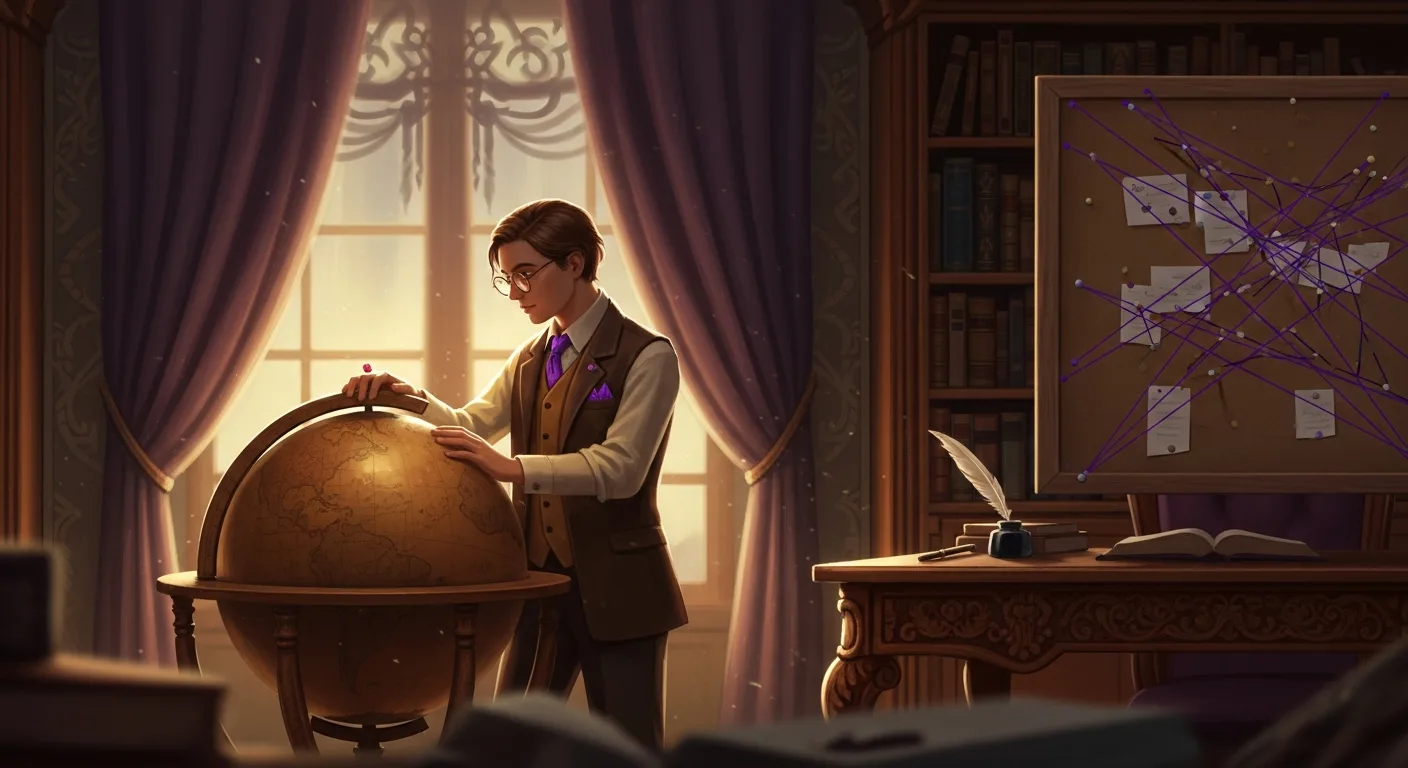
Wintervald Hotel Mystery is the sophisticated October booking. A snowbound luxury hotel, wealthy strangers gathered for a private dinner, a body before sunrise. The aesthetic sits closer to Knives Out or And Then There Were None than to a horror film. We book it most for buttoned-up cultures running Halloween events: legal functions at large firms, finance teams, C-suite leadership retreats. The murder is stylized and off-screen, and the storytelling sits firmly in the Agatha Christie tradition. October is the peak month for it; the snowbound atmosphere reads as autumnal without leaning into trick-or-treat tropes. Anyone uncomfortable with horror imagery finds this one a relief.
Under the Big Top is the warmer, weirder companion. A traveling circus has arrived for the season, the headlining performer has vanished on the night of the biggest show, and the team plays investigators staying with the troupe. The deduction mechanic is the same three-stage shape as Wintervald, in a completely different costume. Hospitality teams pick this often for October because the circus-mystery framing mirrors how guest experiences unfold in their day jobs. Engineering orgs with whimsy-friendly cultures land here too. The whimsy is melancholic and warm, closer to Big Fish than to slapstick.
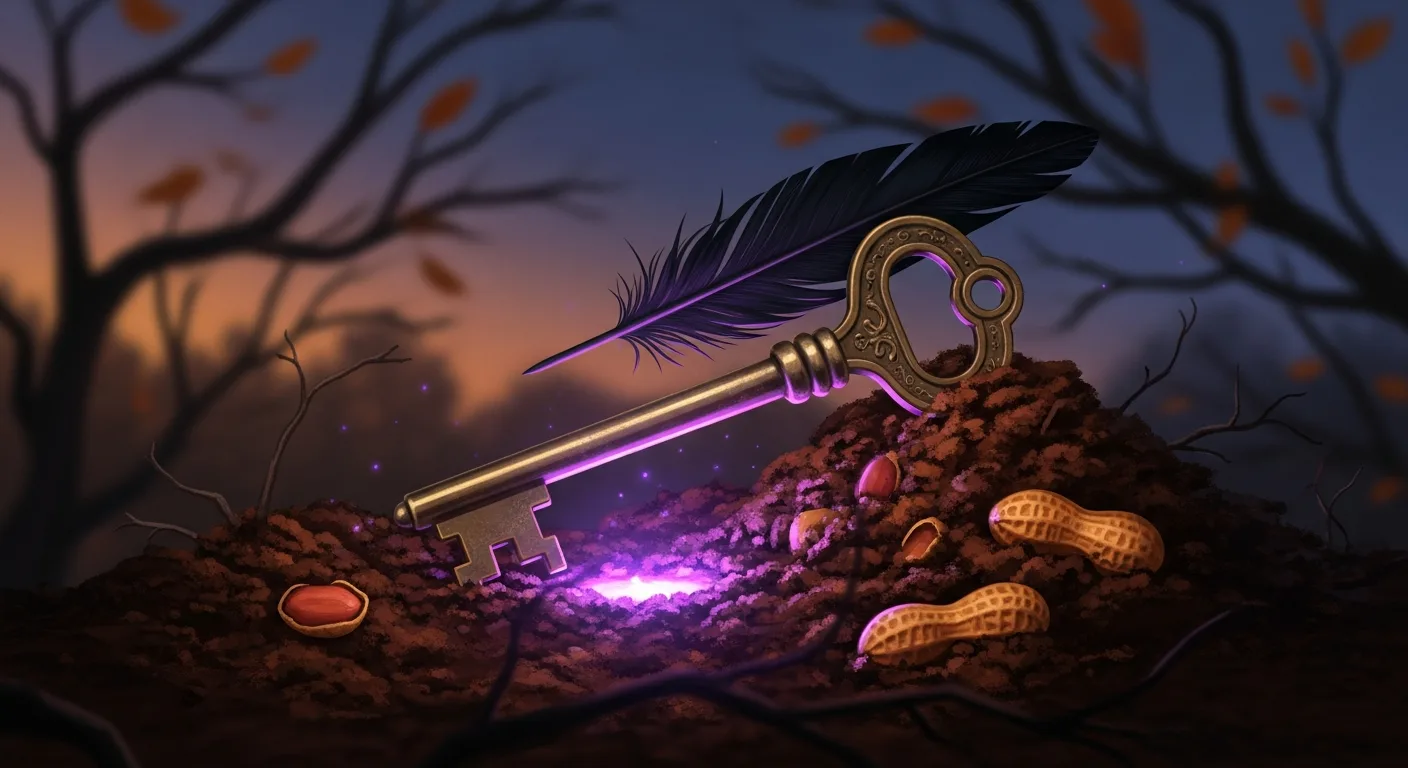
Book of Awakened Nightmares sits one step removed from a pure whodunit. A cabin weekend, a leather-bound book missing several pages, and three folklore worlds the team gets pulled into after assembling the book. It is a folklore-composite adventure with mystery elements rather than a classical detective game, and the atmosphere is Tim Burton territory: moody, magical, slightly off-kilter, not frightening. We book this for October at companies whose culture does not fit menacing imagery but wants a real seasonal moment. The deduction is structural; the horror is absent.
Three other catalog games surface in October mystery conversations often enough to flag. Apocalypse is the high-energy alternative for tech and startup teams that want urgency over contemplation. An overnight outbreak, a racing clock, four locations between the team and a cure. Stylized menace, no gore, no horror. Stolen Hours is the genre-bending option for teams that want imagination instead of a classical mystery, though it leans December more than October. For short 60-minute windows or recurring monthly cadences, Pop Culture Trivia or Movies & TV Trivia work as the lighter-touch sibling: themed horror-movie quote rounds, iconic film stills, no narrative arc but reliable energy.
Customization tiers: when a stock Halloween mystery isn't enough
About one in seven Halloween events we run involves at least one customization tier. The three tiers, NPC, Logo, and Story, work the same way for mystery games as they do for adventures, but they land more strongly inside a deduction format because players pay closer attention to dialogue and environment when they have a crime to solve.
Customize for your team
TYPE 1
Your team as in-game characters
Real team members, mascots, or characters from your games as NPCs.
TYPE 2
Your brand integrated natively
Logo and brand elements native to game environments — locations, items, UI.
TYPE 3
Your story woven into the game
Company milestones, products, and inside references woven into puzzles, dialogues, and tasks.
The NPC tier rewrites suspect dialogue in your company's voice. Inside jokes, naming conventions, references to internal tools the team will recognize from Slack. We've used this to good effect at engineering orgs where a suspect's alibi involves a memorable production incident from earlier in the year. The Logo tier integrates brand color and identity across the game environment, which matters most for customer-facing Halloween events where the event itself represents the client. The Story tier is the deepest customization: the entire crime ties to a real company narrative. An acquisition closing, a Q3 launch, a product sunset. "Who didn't want the deal to close" becomes a literal in-game question, and the team's deduction becomes a metaphor for whatever real moment the company is navigating that quarter.
The pitfall worth flagging is timing. Story tier needs roughly three weeks of lead time. NPC needs two. Logo can be turned around in one week. Asking for a Story rewrite five days out does not work, and most missed-customization-deadline calls we field every October trace back to that. The Halloween booking window in particular tightens fast: peak demand runs August 15 through September 30, and by mid-October the calendars that produce a clean format choice are already gone.
What the data says about Halloween engagement events
The engagement-event ROI argument has matured past 2020's "people are lonely, do something" framing. The 2026 case for a Halloween mystery event is not morale. It is a measurable lift in engagement signals that survives the next quarterly review. Quantum Workplace's 2024 Workplace Trends Report, surveying executives at companies in its 700,000-employee, 8,000-organization database, found that 92% of executives say they have seen increased performance as a result of their engagement efforts. That number matters because of who is giving it. The people approving event budgets are also the people reporting performance lift downstream of those events. The case for the Halloween line item, in other words, runs as much through the CFO's office as through the People Ops director.
The format decision (Big Game versus Marathon, sync versus async) is increasingly load-bearing for distributed teams. Microsoft's 2025 Work Trend Index, drawing on a 31,000-knowledge-worker survey and Microsoft 365 telemetry, found that 30% of meetings now span multiple time zones, an 8-point absolute increase since 2021. For teams operating at that distribution, forcing everyone into one live Halloween window creates a hidden tax that nobody acknowledges aloud: someone always loses sleep, and the company event reinforces the imbalance the rest of the work week already creates. Marathon was built for exactly that gap. The 65-78% completion rate we see in async events at 500+ companies is not because mystery is more compelling than other formats. It is because nobody is being asked to choose between their sleep schedule and the team event.
There is also a burnout angle worth knowing, because it is the engagement-event argument that survives a CFO meeting cleanly. Deloitte's 2024 Burnout in the Workplace report (n=1,000 US full-time workers) found that 77% of professionals report burnout at their current job, with "lack of recognition" overtaking workload as the primary driver in 2024 at 31%. The same report tracked a secondary finding worth sitting with: workers who attend two or more company-sponsored events per quarter report 23% lower burnout symptoms than peers who attend none. That is correlational, not causal. But it lines up with what we see operationally across our portfolio. Teams that build a predictable rhythm of structured shared experiences (one mystery in October, one Big Game in December, a Marathon during a culture week in February) carry meaningfully more goodwill into the harder weeks of the year.
The academic anchor on any of this is Anog et al. (SSRN, 2023), a systematic review of more than 60 studies that found structured team-building activities increase satisfaction and reduce turnover, with effects amplified when integrated into a broader development strategy. The phrase worth holding is "integrated into a broader development strategy." One-off Halloween mystery events arriving disconnected from any other rhythm do not carry the same return. The teams getting measurable lift treat October as one node in a year-long program: a recurring format, a recognizable host or game, a deliberate way of marking time with the team across the calendar. The Halloween event is the moment; the program around it is what compounds.
Frequently asked questions
How far in advance should we book a Halloween mystery event for a 200-person remote team?
Six to eight weeks is the comfortable window for a stock Big Game event with a 200-person group, and ten to twelve weeks if you want NPC or Story customization. Peak booking demand for October runs August 15 through September 30, and by the first week of October most of the preferred dates near October 31 are already taken. We tell People Ops leaders planning Halloween events to lock the calendar slot first, then resolve the game choice and customization in a second conversation.
Should we run our Halloween mystery as a live Big Game or an async Marathon?
Big Game runs as one live event of 75-90 minutes, the whole team in one Zoom, a HeySparko Game Host running the arc, and a leaderboard updating live as breakouts submit. Marathon breaks the same mystery into daily episodes across three to five days; people play asynchronously on their own schedule. For Halloween costume traditions and a single-party feel, Big Game wins. For Spirit Week framing across the week of October 27-31 with a globally distributed team, Marathon is the booking. Most of our October calendar is Big Game; Marathon grows year-over-year as team distribution widens.
How do we run a Halloween event when half the team finds horror genuinely stressful?
Pick a mystery rather than a horror game, and tell the team explicitly what they are walking into. Wintervald Hotel Mystery is Agatha Christie territory: sophisticated, off-screen, no gore. Book of Awakened Nightmares is Tim Burton territory: moody but warm. Both produce a real Halloween atmosphere without horror imagery, and in calendar invites we recommend framing the event as "October team event" rather than leaning on tropes that exclude non-celebrating teammates from the start.
How many people can play a virtual Halloween murder mystery at once?
The format scales from 5 players to 10,000 in a single session. The sweet spot for the deduction mechanic is breakouts of 5-8 players, and we structure groups that way regardless of total headcount. A 50-person event runs as 7-10 breakouts on one shared leaderboard; a 1,000-person Halloween event runs as roughly 150 breakouts on the same shared scoreboard. Per-player cost drops sharply at higher volumes, and the Booking Calculator on our pricing page shows the math without any contact form between you and the number.
How do we measure whether the Halloween event actually worked?
We send a post-event analytics report within 24 hours: participation rate by team, NPS pulse score, leaderboard breakdown by department, and engagement signals from breakout chat density. For Marathon events we also track day-over-day return rate, which is the cleanest async-engagement signal we capture. The number that matters most for a Q4 readout is the by-team participation cut, because it shows the People Ops leader which managers showed up for their teams and which did not. That data tends to outlast the event itself by weeks.