
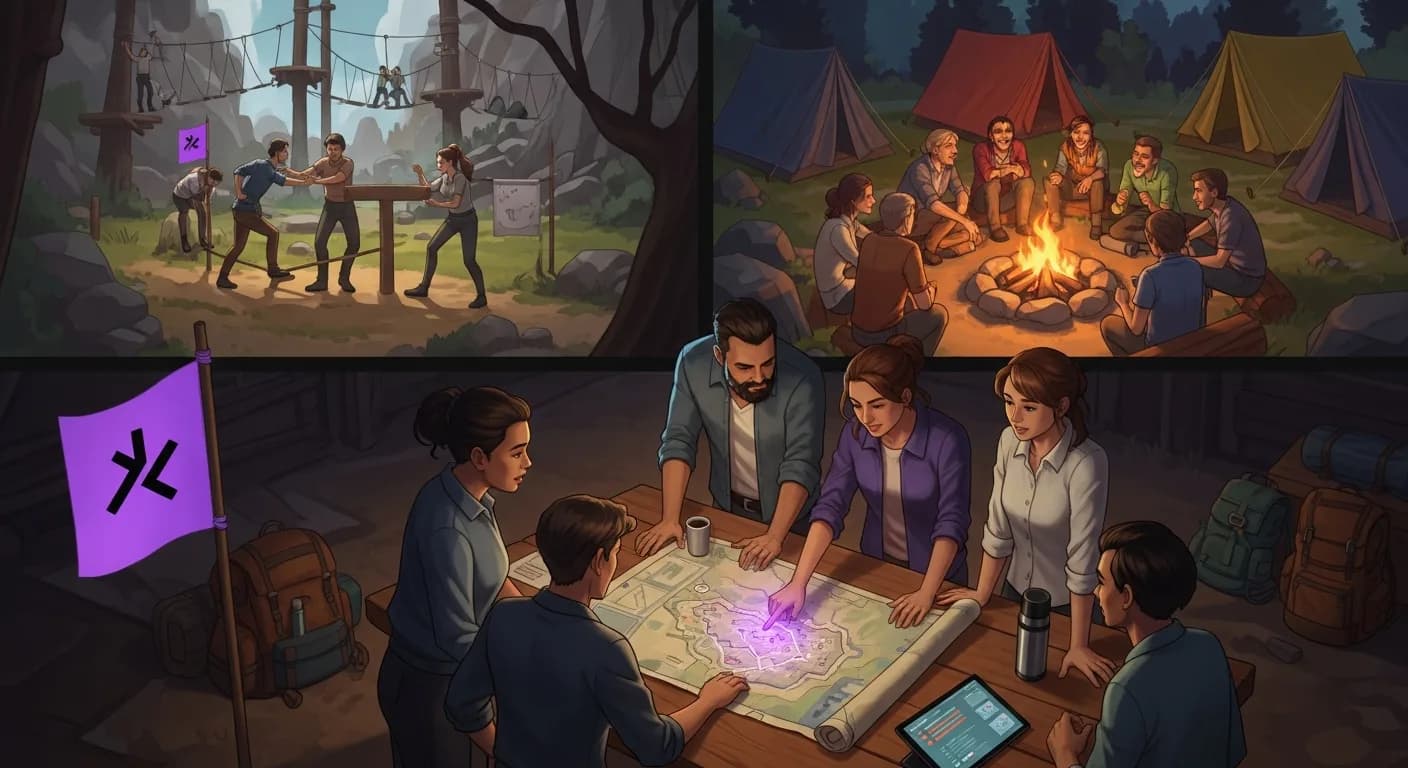

Half the People Ops leads who call me about a "multi-day team building event" are still holding the phrase in its old meaning. Two-night offsite. Flights, hotel block, whiteboards in a room somebody had to book. That world is gone for the companies calling us. Their workforces do not share a building for the daily standup, let alone for a Wednesday of team activities. What they need when they say "multi-day" is a program that runs across three to five calendar days with no shared room in it. Not an offsite with the plane tickets stripped out. A different product with a different design, or the event lands somewhere between forced and forgotten before Day 1 closes.
Across 50+ countries and five years of distributed-team programs, we've designed and run more than 1,500 virtual team events for 700+ companies. The failure mode I see most often is straightforward. A People Ops lead commits to a multi-day event, defaults to booking a longer live session or a stack of back-to-back Zooms, and lands the same three complaints in the post-event survey. Nobody wanted five hours of live video. Half the team missed the middle day for travel or a client crisis. And the story did not hold across days, because there was no story. Meetings had been labeled an event.
How do you run a multi-day team building event for a distributed team without turning it into a schedule tax the team resents by Day 2?
What a multi-day team building event really is
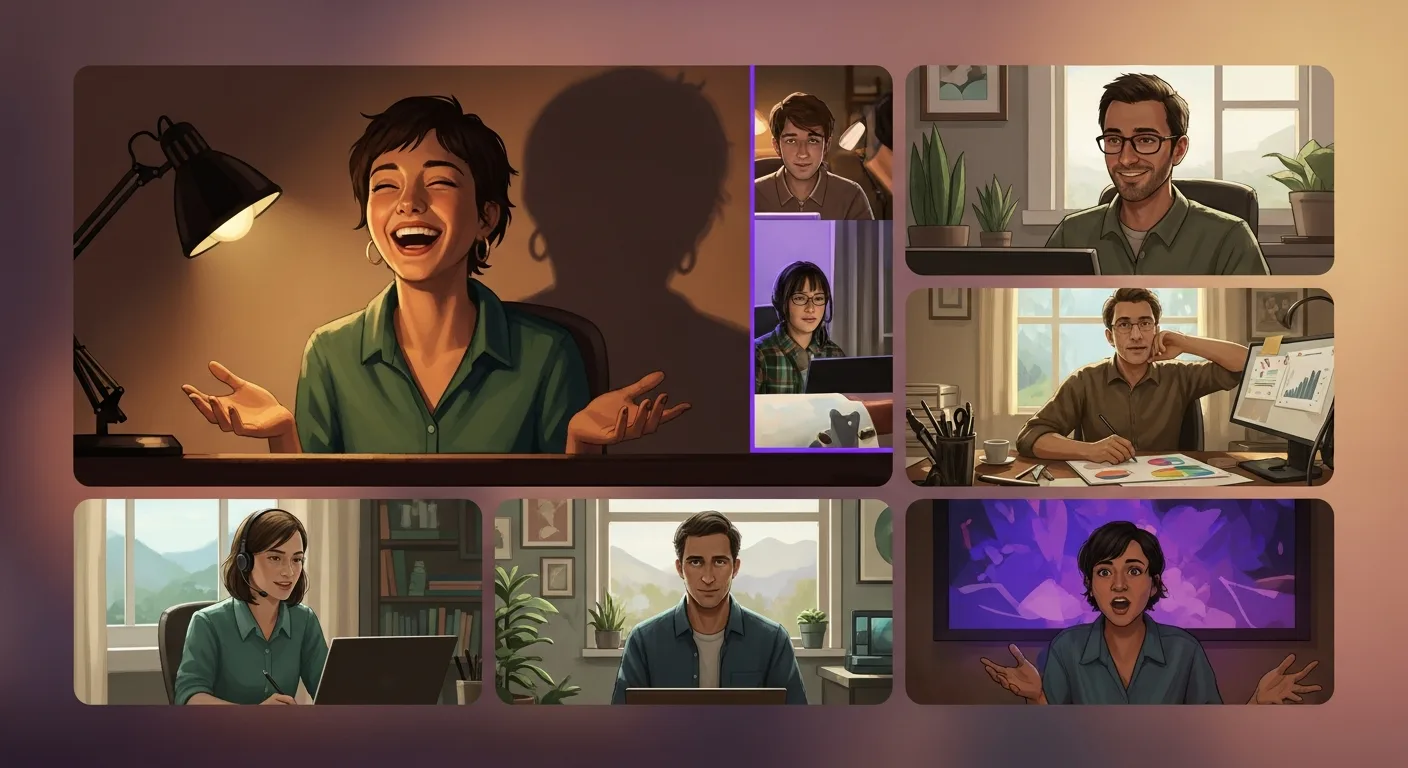
Here is the working definition I walk clients through on discovery calls. A shared, structured experience that unfolds across more than one calendar day, engages the same players across those days, and does not depend on everyone being present at the same moment. That last clause carries the weight. If your multi-day plan is really five synchronous meetings on five consecutive days, you have built a schedule and called it an event. That is also the reason your team is already burned out on team events before the invite goes out.
HeySparko runs multi-day events in our Marathon format. Marathon is a 1-to-5 day asynchronous program. Daily episodes release on a fixed clock. A shared leaderboard stays live across the whole event. Players engage on their own schedule, usually 30 to 45 minutes a day, while the leaderboard updates continuously as teams submit answers, unlock stages, and race for the finish. The daily unlock creates rhythm. The leaderboard creates pull. No MC counts down a timer. No five-hour live session anyone dreads. There is a story arc that carries across days rather than dissolving between them.
The other format we offer is Big Game. Big Game is a single live event, 60 to 90 minutes long, hosted by a HeySparko Game Host, with the entire group present. It works beautifully as a one-off holiday party, a kickoff opener, or a quarterly all-hands finale. It stops being the right tool when the ask is multi-day. A five-hour Big Game is not a multi-day event. It is an exhausting single event with a lunch break bolted on. Two Big Games back-to-back on Monday and Friday are not one program with narrative continuity either. They are two events sharing a subscription.
When companies ask us for a multi-day format specifically, our recommendation is Marathon in more than 90% of the quotes we write. The exceptions are usually two-day corporate offsites where the client wants a Big Game as the closing session of Day 2 (a finale, not the whole event), or annual company weeks where a Big Game opens Monday and closes Friday with independent programming in between. Those are not really multi-day team building events. Those are offsites with entertainment scheduled at the edges. The multi-day keyword, in every sense a People Ops lead searches it, points at Marathon.
Choosing games that carry a multi-day story arc
Not every game holds up across days. Some formats live off the energy of a shared room and lose their structure the moment you strip that away. Others were built with a multi-day arc in mind and open up when they get more time to breathe. Here is how I think about the game decision when a client tells us they want a multi-day format.
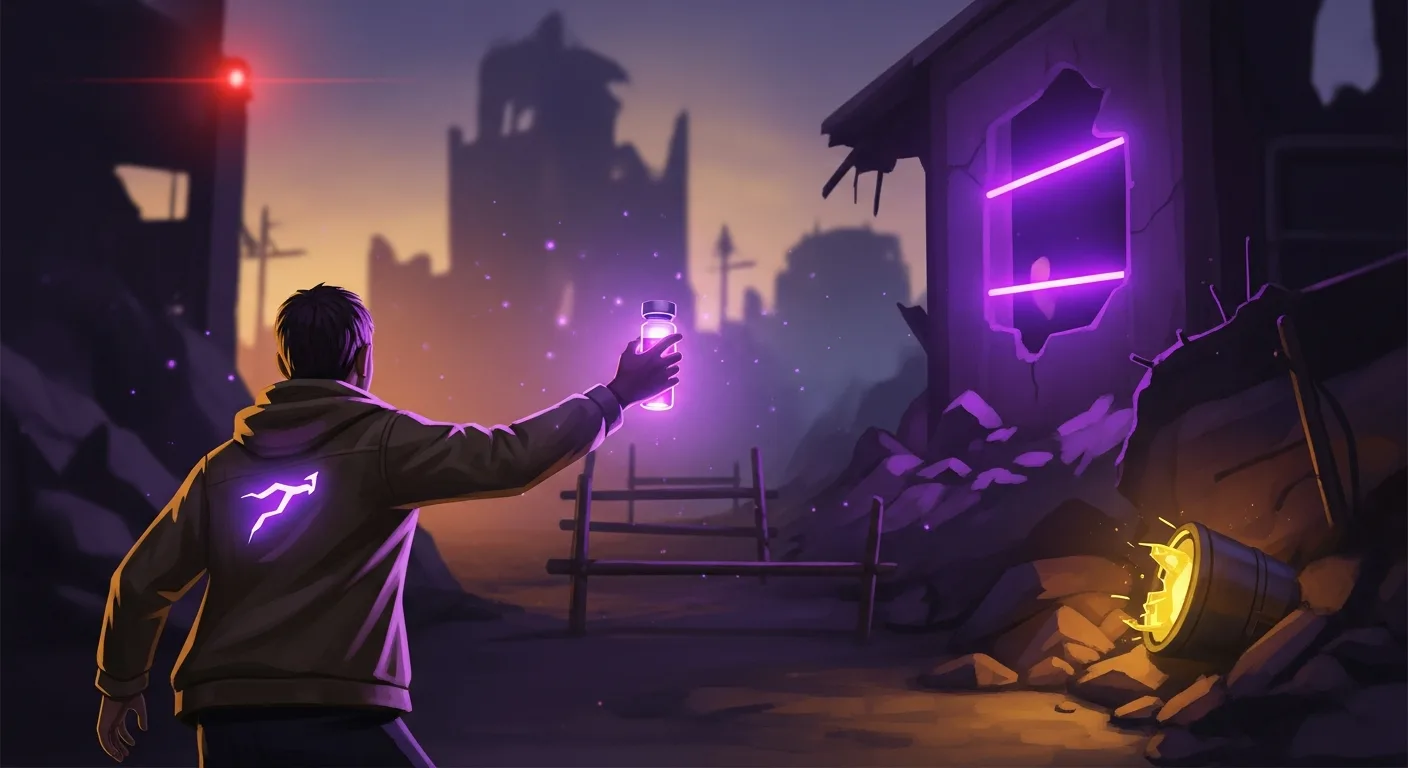
The game needs a narrative arc that unfolds naturally across three to five episodes. Apocalypse works in Marathon because its four stages (Research Center, Street, Power Station, Laboratory) map cleanly onto daily unlocks. The overnight-outbreak premise carries urgency across days rather than dissipating between them, and each daily episode raises the stakes as the vaccine deadline closes in. Last Temple Mystery works for a slightly different reason. Its four-floor expedition (Village, Earth Floor, Storm Floor, Heavens Floor) is inherently sequential. You cannot skip Earth Floor and start on Heavens. The mythology teaches itself as you climb. That built-in progression is what a multi-day event needs to hold attention across days.
Mystery formats also perform well in multi-day, though for a different mechanic. Wintervald Hotel Mystery unfolds across three deduction stages: investigation, suspect alibis, crime-scene reconstruction. When run as a Marathon, the day between stages becomes part of the game. Teams debate suspects in team channels overnight. They share evidence. They come back the next day with theories to test. The break is not dead time. It is active investigation time. On one Marathon Wintervald we ran for a hospitality client last spring, the internal Slack thread between Day 1 and Day 2 hit 400+ messages — more coordination signal than the actual game hours produced. Under the Big Top works the same way when a client wants a whimsical circus-mystery register instead of the classical detective one.
For teams that want a lighter tonal register (year-end wraps, onboarding cohorts, teams that need imagination more than urgency), Stolen Hours and Bureau of Magical Affairs both hold up across days. Bureau is our most-recommended multi-day option for onboarding cohorts. Four case files, one per day, mirror the chaos-plus-paperwork feeling of a new hire's first week. It is basically the game version of onboarding, and the survey feedback confirms the fit: new hires who play Bureau across Marathon days consistently tell their onboarding buddies about it more than any other event we've run for that audience.
What does not work in multi-day is trivia. Trivia is a structural mismatch for a Marathon arc because it has no story to carry between episodes. A round of pop-culture questions on Monday and a round on Wednesday are two independent quiz nights sharing a calendar invite. For clients whose ask is a multi-day team building event, we steer away from trivia every time.
How customization compounds across days
The customization tiers — NPC, Logo, Story — work differently at Marathon scale than they do in a 90-minute Big Game. In a Big Game, players encounter your brand or your custom narrative in one sitting. In a Marathon, they encounter it every day for three to five consecutive days. Brand recall multiplies. When we ran BGaming's anniversary event as a fully customized Big Game (all three tiers) for about 400 employees, the four-era narrative became a container for the company's growth story. Applied at Marathon length, that same customization lands the same story four separate times over four days, which is closer to how a real brand campaign builds recall than any single-session event ever gets to.
Customize for your team
TYPE 1
Your team as in-game characters
Real team members, mascots, or characters from your games as NPCs.
TYPE 2
Your brand integrated natively
Logo and brand elements native to game environments — locations, items, UI.
TYPE 3
Your story woven into the game
Company milestones, products, and inside references woven into puzzles, dialogues, and tasks.
One operational note on customization for multi-day formats: the lead times shift. NPC and Story customization need 10 business days of runway. For a five-day Marathon, that means briefing us at least two working weeks before Day 1. In practice, most of our Marathon clients start the customization brief four to six weeks out, which matches the announcement lead time People Ops needs anyway to build internal excitement.
The research backing multi-day event formats
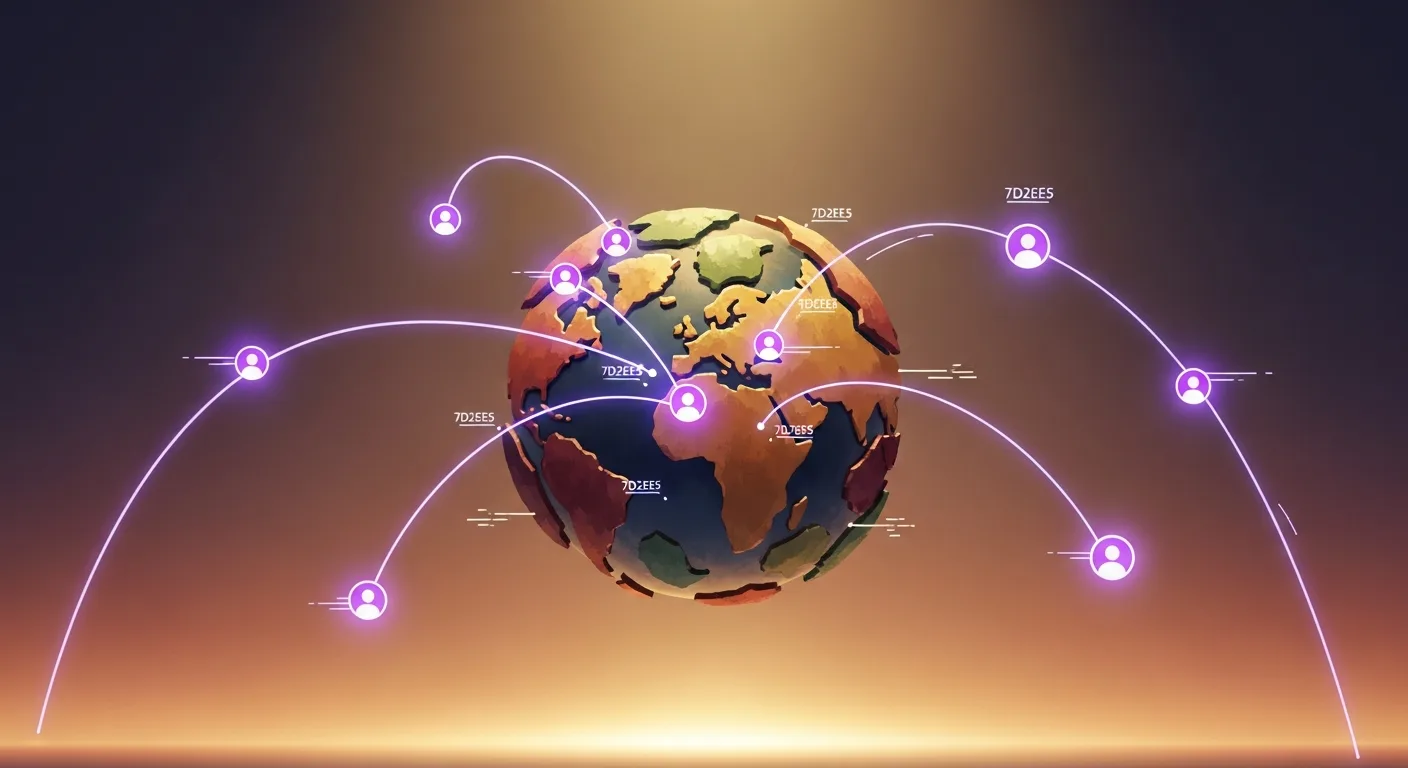
The strongest data point for multi-day formats is not about engagement scores. It is about connection. The Buffer State of Remote Work 2023 report found that among remote workers who feel connected, 46% attribute that connection to having met in person; among those who do not feel connected, 56% cite no opportunity to connect socially. That second number is where the argument lives. Remote workers who feel disconnected are not primarily missing meetings or missing productivity tools. They are missing structured opportunities to connect. A multi-day event, precisely because it stretches across days rather than compressing into a single hour, creates repeated opportunities to fill exactly that gap.
That framing sets up the retention math. SHRM's 2024 cost-per-hire calculation puts the replacement cost of a non-executive departure at roughly 15 to 21 thousand US dollars per person once recruiting time and ramp-up productivity loss are included. Deloitte's 2024 Burnout in the Workplace report found that 77% of professionals experience burnout at their current job, with workers attending two or more company-sponsored events per quarter reporting 23% lower burnout symptoms. Combine those two numbers and the budget math writes itself. A Marathon that touches 200 people across five days and reduces even a modest slice of the retention risk on that population pays for itself several times over on the SHRM math alone.
The academic case is worth citing directly, because it is the strongest E-E-A-T signal in this evidence base. Anog et al. (SSRN, 2023) published a systematic review covering 60+ studies of structured team-building interventions. Their finding: structured team-building activities increase satisfaction and reduce turnover, and the effects are amplified when integrated into a broader development strategy. A one-off event does not get that amplification. A recurring Marathon program that runs quarterly or semi-annually, tied into an engagement or L&D strategy, does.
Our own data at HeySparko lines up with the third-party research. Across Marathon events at 500+ companies, we see 78-92% completion rates for opt-in programs. Meaning: players who make it through every episode without mandatory attendance being required. That's a completion band a Big Game can't easily hit, because Big Game completion is binary. You showed up to the live session or you did not. Marathon's daily structure lets people who missed Day 1 catch up on Day 2, which pushes the numbers higher than a synchronous format's participation rate typically reaches. The population we reach through Marathon is roughly 35% larger than the population we reach through a comparable Big Game for the same client. That extra 35% is the group of people who cannot or will not join a single mandatory live window. They are the population the People Ops lead most needs to hear from anyway.
Frequently asked questions
Should a multi-day team building event run three days or five?
Three is the sweet spot for most first-time Marathon clients. Long enough to develop a story arc that lands across episodes, short enough to hold attention without dragging, and it lines up with a natural company-week rhythm (Tuesday through Thursday works especially well). Five-day Marathons make sense for holiday weeks, quarterly engagement campaigns, or specific occasions like a company anniversary or a headcount milestone. Anything under three loses the structural advantage of the format. Anything over five needs a very deliberate story-arc reason and a client with the appetite for it.
Do people actually finish a Marathon when it isn't mandatory?
Yes, and at rates that surprise most first-time buyers. Across 500+ companies running Marathon events, we see 78-92% completion for opt-in programs. The mechanism is the leaderboard: teams do not want to leave points on the table, and daily unlocks create rhythm without a calendar tax. In our data, opt-in Marathon completion beats mandatory live-event attendance more often than not, because a leaderboard creates motivation while a mandatory calendar block creates obligation — and the two are not the same thing at all.
Can you run a multi-day team event across many time zones?
That is what Marathon was designed for. Each daily episode releases at a fixed clock moment (say 9am UTC), but players engage anytime during that day's window. A Tokyo player might play after breakfast, a San Francisco player after lunch, a Berlin player before their afternoon meetings. Nobody takes a 6am call to keep score. The leaderboard updates continuously so competitive momentum stays live across every zone. It is the reason distributed teams gravitate to Marathon over Big Game once they see how the two formats really compare in practice.
What metrics prove a multi-day team building event worked?
Four numbers come out of every Marathon we run: participation rate (percentage of invited players who started Episode 1), completion rate (percentage who finished every episode), engagement heat by team and by day, and a post-event NPS pulse. We also recommend a pre/post three-question engagement pulse tied to the event so the People Ops lead can point at survey-score lift attributable to the program. The full analytics report lands with the client within 24 hours of the last day.
How far in advance should you book a multi-day team event?
Four to six weeks is the range that works for most Marathon clients. Enough runway to draft the invitation cadence, secure calendar space, and (if the client wants customization) brief our team on NPC or Story tiers before their lead-time clocks start. NPC and Story customization need 10 business days. For a stock Marathon with no customization, three weeks of internal announcement time is enough to build the anticipation that drives Day 1 participation to a healthy start.