

People Ops 담당자들이 이벤트를 요청할 때 "우리 팀은 이미 지쳤어요"라는 말을 덧붙이기 시작했습니다. 단순히 지루한 것이 아니라 — 냉소적이 된 것입니다. 지루하다는 건 지난 이벤트에 참석은 했지만 몰입하지 못했다는 의미입니다. 냉소적이라는 건 다음 이벤트도 똑같을 것이라고 미리 결론 내리고, 이벤트 전 Slack 스레드에 그 생각을 적어 두었다는 의미입니다.
HeySparko는 2020년부터 50개국 이상, 300개 이상의 기업에서 1,500회 이상의 가상 팀 이벤트를 운영해 왔습니다. 냉소적이 된 팀 문제는 저희가 늘 고민하는 주제입니다. 대부분의 경우 게임 선택의 문제가 아닙니다. 직전 3~4개 이벤트에서 형식이 팀에 맞지 않았던 것이 누적된 결과입니다. 하지만 올바른 형식에 맞는 올바른 게임을 선택하는 것이 그 악순환을 끊는 출발점입니다.
2026년, 어느 규모의 원격 팀에도 통하는 가장 재미있는 온라인 팀빌딩 게임은 무엇일까요?
형식 결정이 먼저입니다
저희는 게임 테마를 논하기 전에 반드시 시간대를 먼저 확인합니다. 그 답 하나가 형식 결정을 명확하게 해 주기 때문입니다.
Big Game은 단 한 번의 60~90분 라이브 이벤트입니다. 모든 참가자가 같은 시간에 동일한 화상회의에 접속해, 같은 리더보드가 움직이는 것을 함께 지켜보고, 같은 반전 장면에 함께 반응합니다. 남은 4분 동안 3위 팀이 2위를 추격하는 그 현장감 — 이건 비동기 방식으로는 재현할 수 없습니다. 이벤트가 끝난 뒤 Slack에 자발적인 후기가 올라오게 만드는 형식이 바로 이것입니다. 시간대 차이가 대략 6시간 이내, 한 세션에 400명 미만인 경우에 가장 잘 맞습니다.
Marathon은 정반대 상황을 위해 만들어진 형식입니다. 1~5일에 걸쳐 매일 에피소드가 예정된 시간에 공개되고, 참가자들은 각자의 업무 시간에 맞춰 자유롭게 참여합니다. 도쿄에서 오후 3시에, 샌프란시스코에서 오후 3시에, 같은 리더보드를 두고 경쟁하지만 누구도 새벽 6시에 전화를 연결하지 않아도 됩니다. Marathon 이벤트의 완료율은 500개 이상 기업 데이터 기준으로 65~78%에 달합니다. 이는 라이브 이벤트에 억지로 접속한 뒤 곧바로 다른 창으로 넘어가는 참가자 비율을 감안하면 훨씬 인상적인 수치입니다. Marathon은 강제 동기식 이벤트 대비 약 35% 더 많은 참가자를 실제로 참여시킵니다. 라이브 이벤트를 빠지는 사람들이 무관심한 것이 아닙니다 — 시간대가 맞지 않아서 참여 자체가 불가능했던 것입니다.
팀이 냉소적으로 변하는 이유는 대체로 여기에 있습니다. 절반이 싱가포르에 있는 팀에게 오전 10시 의무 라이브 Big Game을 계속 강요한다면, 필요한 건 새로운 게임 테마가 아니라 Marathon 형식입니다.
커스터마이징은 두 형식 모두에 적용할 수 있습니다. NPC, Logo, Story — 세 가지 부가 옵션을 활용하면 외부 벤더의 이벤트가 조직 고유의 경험으로 바뀝니다. NPC는 게임 캐릭터에 귀사의 회사 색깔을 불어넣습니다. Logo는 플레이어 경험 전반에 귀사의 브랜드를 담습니다. Story는 실제 회사의 중요한 순간에 맞게 스토리 전체를 새로 씁니다. BGaming의 창립 기념일 이벤트를 세 옵션 모두 적용해 진행한 결과, 89%의 참여율을 기록했습니다. Engineering 팀 구성원들이 NPC 대화를 사후 설문에서 직접 언급한 것도 인상적이었는데, 기성 이벤트에서는 거의 일어나지 않는 일입니다.
형식과 커스터마이징 방향이 정해지면 게임 선택은 자연스럽게 따라옵니다.
어드벤처와 미스터리: 이야기가 있는 게임들
어드벤처와 미스터리 장르가 재예약 데이터에서 압도적인 이유는 구조적입니다. 서사적 흐름이 있기 때문입니다. 팀이 이벤트 내내 함께 무언가를 해결해 나가는 경험은, 단순히 문제를 맞히는 것과는 다른 기억을 남깁니다. 아래 다섯 가지 게임은 두 분기 뒤 캘린더 초대에 다시 등장하는 것들입니다.
Apocalypse
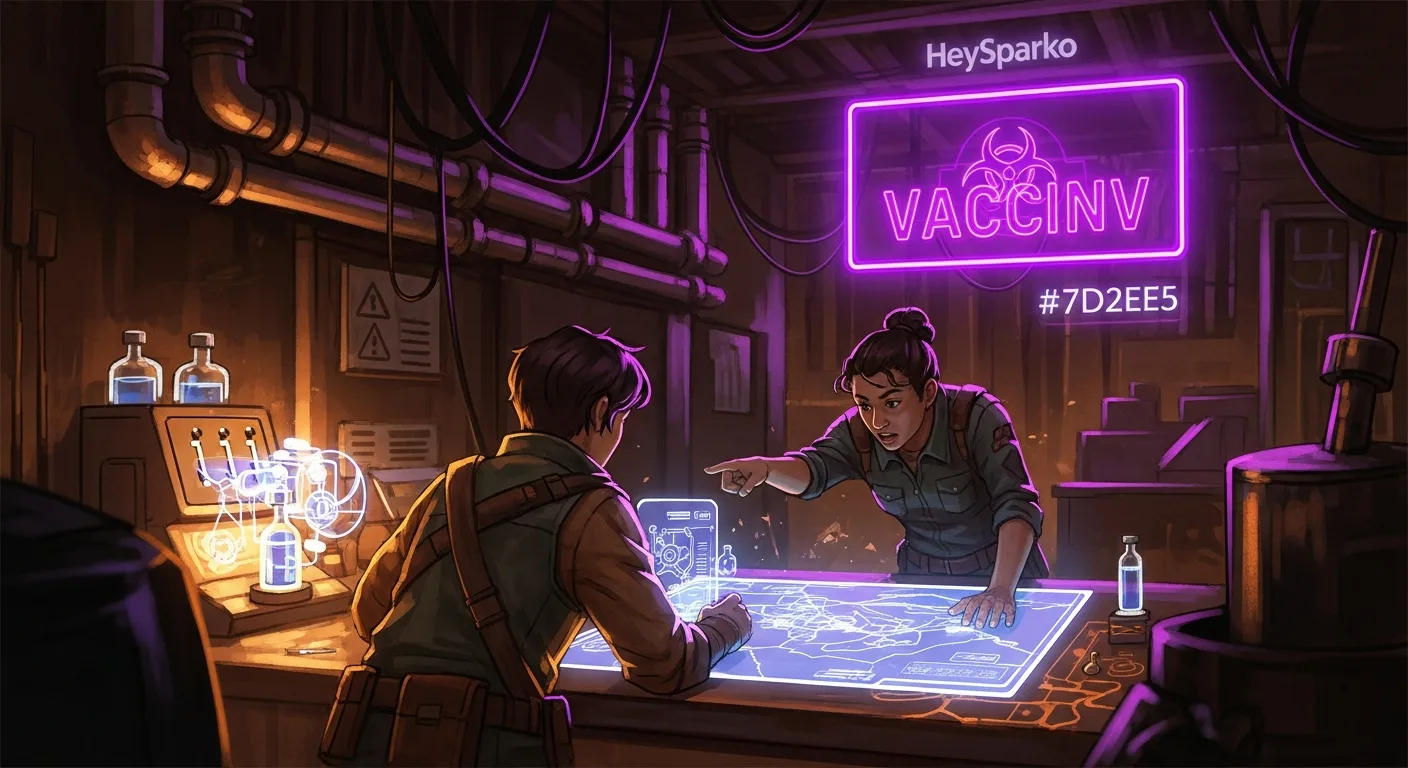
Apocalypse는 저희 카탈로그에서 에너지가 가장 높은 게임입니다. 대부분의 가상 이벤트가 피하는 것 — 진짜 긴장감을 만드는 것 — 을 거리낌 없이 합니다. 하룻밤 사이 발생한 전염병 사태. 팀은 이를 막을 수 있는 마지막 집단 중 하나입니다. 백신을 향한 네 곳의 미션, 각기 다른 위협, 그리고 쉼 없이 돌아가는 타이머.
사후 피드백에서 가장 많이 나오는 단어는 "강렬하다"입니다. "재미없었다"도 아니고, "무난했다"도 아닙니다. 강렬하다 — 잘 진행된 방탈출 마지막 순간의 그 느낌처럼요. 스트레스받는 업무일과는 다릅니다. Engineering, 핀테크, 스타트업 팀에게 시간 압박 메커니즘은 실용적인 효과도 있습니다. 실제 협업 패턴이 드러납니다. 3단계가 되면 아무도 시키지 않았는데 팀이 전문 분야별로 자연스럽게 나뉩니다. 기획 회의에서 한 번도 자발적으로 발언하지 않던 분석가가 갑자기 2단계 경로 결정을 주도하고 있습니다. 저희가 이 장면을 충분히 많이 봐서 이제는 놀라지도 않습니다.
Big Game 기준 80분 진행, Marathon 형식으로 1~5일 운영 가능합니다. 10월과 4분기가 피크 시즌이지만, 계절 요소 없이 긴박감을 원하는 팀에게는 연중 내내 유효합니다.
한 가지 적합성 참고 사항: Apocalypse는 어느 정도 협업 경험이 있는 팀에게 맞습니다. 팀이 구성된 지 90일 미만인 신규 팀은 스트레스 메커니즘을 에너지로 전환하기보다 혼란스럽게 느낄 수 있습니다. 그런 팀에게는 Bureau of Magical Affairs가 더 좋은 첫 경험이 됩니다.
Mission 8-Bit
Mission 8-Bit는 서서히, 그러다 단번에 저희의 가장 많이 요청받는 Kickoff 게임이 되었습니다. 세 단계의 서사 — 모든 기기가 반란을 일으킨 적대적 사무실 탈출, 1980년대 레트로 전자상가에서 구형 컴퓨터 재조립, 8비트 아바타가 되어 디지털 세계에서 최종 코드 완성 — 는 Engineering 팀이 일상에서 경험하는 분기별 프로젝트 사이클(설정, 구축, 출시)과 너무나 잘 맞아떨어집니다. 대부분의 참가자는 누가 설명하기 전에 그 연결고리를 알아챕니다.
이 게임이 기억에 남는 이유는 이벤트 이후에도 이어지는 것에 있습니다. 참가자들은 게임 스타일로 렌더링된 자신만의 8비트 스프라이트 캐릭터를 이벤트 후 받게 됩니다. Slack 프로필과 사내 커뮤니케이션에 사용할 수 있습니다. 사소해 보이지만 그렇지 않습니다. 테크 기업 대상 Mission 8-Bit 운영 경험에 따르면, 스프라이트 시트는 이벤트 요약 메일보다 훨씬 더 많은 자발적 사내 대화를 만들어 냅니다. 단순한 이벤트 기념품이 아닌, 팀의 공유 자산이 되는 것입니다.
Big Game 기준 90분 진행, 단일 라이브 세션보다 비동기 방식이 맞는 분산 팀의 Kickoff에는 Marathon으로도 운영 가능합니다.
Bureau of Magical Affairs
Bureau of Magical Affairs에 대해 가장 먼저 나오는 질문은 분위기가 너무 유쾌한 것 아닌가 하는 것입니다. 솔직한 답은 이렇습니다. 팀 Slack에 드라마나 예능 얘기하는 스레드가 세 개 이상 있다면, 이 게임은 아주 잘 통합니다.
설정은 이렇습니다. 갓 임명된 Bureau 7호 요원인 여러분의 팀이 혼돈이 퍼지기 전에 네 건의 미해결 마법 사건을 종결해야 합니다. 분위기는 오피스 × 맨 인 블랙에 가깝고, 반지의 제왕과는 거리가 멉니다. 특히 Onboarding 과정에 이 게임을 추천하는 이유가 있습니다(저희 카탈로그 중 신입 입문 이벤트로 가장 많이 추천한 게임입니다). 게임의 전제 자체가 신입사원의 경험과 같기 때문입니다. 동시에 불타는 여러 업무, 불분명한 지침, 필요한 서류 작업. 신입사원들은 설명 없이도 이미 그 상황에 이입되어 있습니다. 100명 이상 규모의 신규 입사자 Onboarding 주간 마무리 이벤트로 이 게임을 진행한 후, 첫 달 체크인에서 참가자들이 자발적으로 언급하는 첫 공통 화제가 된 사례를 여러 번 경험했습니다.
4단계, Big Game 기준 90분. 전 커스터마이징 지원 가능합니다.
Under the Big Top
Under the Big Top은 빈티지 서커스 미스터리입니다. 가장 중요한 공연 전날 밤 일어난 실종 사건, 개성 넘치는 용의자들, 그리고 시즌 동안 서커스에 합류한 조사관이 된 팀. 3단계의 추리 과정, 1단계부터 서서히 쌓아 온 결정적 장면, 그리고 2단계에 숨겨진 의도적 오도 — 꼼꼼하게 읽은 팀과 표면적인 용의자에 쏠린 팀을 가르는 지점입니다.
이 추리 메커니즘이 대규모 그룹에도 효과적인 이유입니다. 팀들은 소회의실에서, 때로는 전체 화상회의에서 각자의 이론을 주장합니다. 리더보드는 역도 선수의 알리바이에서 심어 놓은 모순을 잡아냈는지에 따라 갈립니다. 단순한 정답/오답 구도와는 다른 역동입니다.
Under the Big Top은 Big Game 기준 75~90분 진행이며, 날짜 간 비동기로 증거를 토론할 수 있는 Marathon 형식에도 잘 맞습니다. 특히 호텔, 이벤트 관련 업종에서 이 게임 선택 비율이 전체 카탈로그 평균보다 높습니다. 서커스 미스터리의 구조가 고객 경험이 펼쳐지는 방식과 닮아 있고, 분위기 있는 추리 방식이 액션 중심 어드벤처와는 다른 방식으로 공감을 얻습니다.
Wintervald Hotel Mystery
Wintervald Hotel Mystery는 저희가 제공하는 게임 중 가장 기업 환경에 적합한 작품입니다. 눈보라에 고립된 고급 호텔, 비밀 만찬 자리에서 발생한 살인 사건, 도로가 열리기 전 아침까지 범인을 지목해야 하는 마감. 아가사 크리스티 스타일의 배경에서 펼쳐지는 3단계 추리 — 특히 2단계 인터뷰 단계에서 Game Host가 모든 용의자를 직접 롤플레이하는 방식은 생각보다 훨씬 몰입감 있습니다.
법무, 재무, 경영진 그룹에 Wintervald를 추천합니다. 서커스 분위기가 어색하게 느껴질 수 있고, 포스트 아포칼립스 백신 레이스는 분위기에 맞지 않는 대상에게 적합합니다. 12월에 단순한 연말 파티가 아닌 품격 있는 Holiday 이벤트를 원하는 기업에서 가장 많이 찾는 게임이기도 합니다. Story 커스터마이징 옵션의 효과가 특히 뛰어납니다. 사건이 실제 회사 서사와 연결되는 버전("누가 인수를 막고 싶었을까?")으로 진행하면, 외부 벤더 이벤트가 아니라 처음부터 이 팀을 위해 만들어진 경험처럼 느껴집니다.
Big Game 기준 75~90분, Marathon 형식 가능, 연중 운영 가능합니다.
제대로 된 자리를 차지하는 Trivia
Trivia는 People Ops 담당자 사이에서 회의적인 시선을 받습니다. 아무도 문제에 관심이 없고, 진행자 없이 타이머만 돌아가는 Kahoot 세션을 경험해 봤기 때문입니다. 그 경험과 HeySparko의 Trivia 이벤트의 차이는 라이브 Game Host에 있습니다. 훈련된 MC가 재치 있는 반응으로 분위기를 살리고, 엉뚱한 답변에도 에너지를 불어넣으며, 카운트다운 타이머가 아닌 사람의 목소리로 이벤트를 이끌어 갑니다. 모든 Trivia 팩에는 시각적 인식 라운드와 청각적 인식 라운드가 포함되어 있습니다. 텍스트만 읽는 방식이 아닙니다.
이번 목록에서 진심으로 추천할 만한 두 가지 Trivia 팩을 소개합니다.
Pop Culture Trivia
Pop Culture Trivia는 어떤 대상을 대상으로 하는지 잘 모를 때의 기본 추천입니다. 세 라운드(주류 혼합, 시각적 아이콘, 문화적 교차점)가 충분히 넓게 설계되어 있어 모든 팀이 강점 영역을 하나 이상 발견합니다. Marketing과 Engineering이 공통 관심사 없이 같은 화상회의를 공유하는 전사 All-Hands에도 통하는 형식입니다. 누구도 뒤처지지 않습니다.
글로벌 팀에 특히 효과적입니다. 팝 컬처는 전 세계적으로 겹치는 부분이 충분해서 런던, 싱가포르, 시카고 참가자 모두가 미국 특화 문제에 치우치지 않고 참여할 수 있습니다. HeySparko를 처음 이용하는 기업, 분기별 All-Hands 마무리 이벤트, 다양한 구성원이 모이는 월간 정기 Happy Hour 대체 이벤트에 가장 적합합니다.
Movies & TV Trivia
Movies & TV Trivia는 팀 Slack에 #영화 또는 #스트리밍 채널이 활발히 운영 중이고, 신작이 공개되면 몇 시간 안에 채널에 올라오는 팀을 위한 팩입니다. 세 라운드로 구성됩니다. 오프닝 크레딧(수십 년에 걸친 다중 선택 문제), 프레임 캡처(상징적인 장면과 세트 디자인의 시각적 인식), 그리고 대사 맞추기(마지막 라운드에서 이중 점수). 시각과 청각 요소는 이 팩을 텍스트 기반 퀴즈와 완전히 다른 경험으로 만듭니다. 팀은 기억을 더듬는 것이 아니라, 보고 듣는 것을 함께 맞춰 갑니다.
세대가 다양한 팀에게 실질적인 우위가 있습니다. 클래식 시네마부터 현재 스트리밍 오리지널까지 폭넓게 다룹니다. 상담 전화에서 자주 듣는 두 가지 반응: "어, 쉽겠는데요, 우리 팀이 완전히 파악할 것 같아요." 그러다 이벤트 30분 뒤에 "잠깐, 저게 문제였어요?" 리더보드는 팀을 적절한 방식으로 겸손하게 만듭니다.
왜 이것이 중요한가 — 데이터가 말하는 것
Gallup의 2025 State of the Global Workplace 보고서에 따르면 전 세계 직원 참여도는 21%로, 2024년과 동일한 수준에 머물고 있습니다. 같은 보고서에서 가장 간과되는 발견: 참여도 변동의 70%는 회사나 직무가 아닌, 직속 관리자에 기인합니다. 팀 이벤트는 좋은 관리자를 대체하지 않습니다. 하지만 관리자에게 팀 공유 경험이라는 출발점을 제공합니다. Apocalypse 3단계를 함께 돌파한 팀에게는 월요일 아침 프로젝트 현황 보고 전화가 만들 수 없는 공통 참조 지점이 생깁니다.
Deloitte의 2023 Human Capital Trends 보고서는 직원의 46%가 팬데믹 이전보다 동료와의 연결감이 낮아졌다고 느낀다는 것을 보여 줍니다. 그 단절 격차를 메우는 것이 구조화된 이벤트의 역할입니다 — 억지로 즐겁게 만드는 것이 아니라, 업무 대화 외에 거의 교류가 없는 사람들 사이에 공통된 경험을 만드는 것입니다.
원격 근무 팀에 대해서는 Microsoft의 2024 Work Trend Index가 명확하게 말합니다. 분산 근무자의 57%가 라이브보다 비동기 참여 방식을 선호합니다. 이 수치는 Marathon이 단순한 일정 우회책이 아니라 주요 형식으로 존재해야 하는 가장 명확한 근거입니다. 원격 근무 인력의 절반 이상이 선택권이 주어진다면 비동기를 택할 것입니다. 500개 이상 기업의 완료율 데이터도 이와 일치합니다. 3일 Marathon 이벤트에서 65~78%를 기록합니다.
학술 연구는 이 모든 것의 근본 메커니즘을 밝혀 줍니다. Anog et al.의 60개 이상 연구에 대한 체계적 검토(SSRN, 2023)에 따르면, 구조화된 팀빌딩 활동은 일회성 이벤트보다 더 광범위한 참여 전략에 통합될 때 효과가 증폭되어 만족도를 지속적으로 높이고 이직률을 낮춥니다. 이 연구 패턴은 저희 고객 데이터에서도 나타납니다. 분기별 이벤트 프로그램은 연 1회 단독 예약이 만들 수 없는 복리 효과를 냅니다. 이벤트를 거듭할수록 공유 어휘가 쌓입니다. Q1에 Apocalypse를 함께 한 팀은 Q3에 누가 시키지 않아도 그 경험을 언급합니다.
Gallup의 번아웃 연구는 유지율 논거를 더해 줍니다. 몰입한 직원은 그렇지 않은 직원보다 번아웃을 40% 덜 경험합니다. People Ops 담당자가 재무 부서에 정기 이벤트 예산을 정당화해야 할 때, 계산은 납득할 수 있습니다. 이벤트 한 번의 비용은 한 명의 퇴직 비용보다 저렴합니다. 비관리직 대부분의 직원 한 명 교체 비용은 SHRM 2024년 계산 기준으로 수천만 원 수준입니다. 이벤트는 단순한 파티가 아닙니다. 수치가 뒷받침되는 유지율 관리 수단입니다.
1,500회 이상의 이벤트 운영 경험에서, 같은 회사 내 관리자 그룹 간 참석률 격차는 3~4배에 달합니다. Marathon 분석 대시보드(팀별, 관리자별 참여율 분석)는 HR 리더가 처음으로 그 격차를 수치로 확인하는 순간이 되는 경우가 많으며, 이는 전체 평균 설문 점수로는 결코 파악할 수 없었던 다음 분기 관리자 지원 대화의 방향을 바꿉니다.
자주 묻는 질문
한 번의 온라인 팀빌딩 게임에 몇 명까지 참여할 수 있나요?
HeySparko 게임은 5명부터 단일 세션에 10,000명까지 확장됩니다. Big Game의 경우 400명 미만 그룹은 보통 하나의 세션으로 진행하고, 더 큰 그룹은 공유 리더보드를 두고 경쟁하는 팀으로 나뉩니다. Marathon은 일정 제약 없이 어떤 규모도 수용합니다. 1,000명 이상의 경우, 매일 에피소드가 공개되어 시간대와 업무 일정에 관계없이 참여가 가능한 3일 또는 5일 비동기 이벤트로 진행하는 것이 일반적입니다. 형식 결정이 단순한 인원 수보다 경험에 더 큰 영향을 미칩니다.
참가자가 Software를 다운로드하거나 계정을 만들어야 하나요?
다운로드도, 계정 생성도 필요하지 않습니다. HeySparko의 모든 게임은 일반 웹 브라우저에서 실행됩니다. CrowdStrike 제한 및 Cisco 관리 노트북을 포함한 기업 보안 환경에서 테스트되었습니다. 참가자는 링크를 클릭하면 환영 화면이 나타나고 팀을 선택하면 됩니다. 대부분의 IT 환경에서는 이 한 문장으로 충분합니다. 특히 엄격한 브라우저 정책을 가진 조직이라면, 전체 이벤트 전에 두세 명의 직원과 간단한 기술 점검을 진행하는 것으로 충분히 준비할 수 있습니다.
Big Game과 Marathon 형식의 차이는 무엇인가요?
Big Game은 모든 참가자가 동시에 같은 화상회의에 접속하는 60~90분의 단일 라이브 이벤트입니다. 리더보드 변동과 반전 반응이 실시간으로 공유됩니다. Marathon은 1~5일에 걸쳐 매일 에피소드가 공개되고 참가자가 자신의 시간대에서 원하는 시간에 참여하는 비동기 형식입니다. 시간대 차이가 6시간 이내인 팀은 Big Game에서 더 많은 것을 얻습니다. 8시간 이상 걸쳐 있거나 의무 라이브 이벤트에 거부감이 있는 팀은 Marathon이 맞습니다.
온라인 팀빌딩 이벤트를 얼마나 미리 예약해야 하나요?
커스터마이징 없는 기본 이벤트는 Game Host 슬롯이 가능한 경우 영업일 기준 5~7일 전에 확정할 수 있습니다. 커스터마이징은 그 기간이 늘어납니다. Logo 옵션은 최소 7일, NPC 옵션은 최소 14일, Story 옵션은 스토리 브리핑과 제작 사이클을 위해 최소 21일이 필요합니다. 300명 이상 규모에 Story 커스터마이징을 적용하는 대형 이벤트의 경우 4주가 적합한 기준입니다. 리드 타임이 길수록 단순히 진행이 원활해지는 것이 아니라 커스터마이징의 완성도 자체가 높아집니다.
온라인 팀빌딩이 처음인 팀에게는 어떤 게임이 가장 좋나요?
구성이 다양하거나 취향을 잘 모르는 팀의 첫 이벤트라면 Bureau of Magical Affairs가 가장 접근하기 쉽습니다. 따뜻한 분위기, 이해하기 쉬운 설정, 네 가지 사건 구조가 단일 메커니즘에 막히지 않고 흐름을 유지해 줍니다. 유쾌한 분위기가 오히려 역효과를 낼 수 있는 경쟁적이거나 기술 중심 팀에게는 Mission 8-Bit가 더 강한 선택입니다. 팀 문화를 정말 모르겠다면, Pop Culture Trivia가 카탈로그 전체에서 참여 장벽이 가장 낮은 안전한 출발점입니다.
온라인 팀빌딩 이벤트의 ROI를 어떻게 측정하나요?
가장 신뢰할 수 있는 지표는 직원 참여도 설문 변화입니다. 이벤트 전후 3문항 설문으로 연결감과 인정 경험의 변화 방향을 추적합니다. HeySparko의 사후 분석 데이터에는 참여율, NPS 결과, 팀별 세분화 분석이 포함되어 있습니다. HR 리더가 다음 경영진 보고에 활용하는 데이터입니다. Marathon 이벤트의 경우 전체 기간 동안의 분석 데이터가 팀별, 관리자별로 제공되며, 이는 전체 평균 점수가 가리고 있던 몰입도 높은 팀과 낮은 팀 사이의 3~4배 참석률 격차를 드러내는 경우가 많습니다.