There's been a noticeable change in how People Ops teams describe their expectations for virtual team events. The word "fun" used to dominate their briefs, but now it’s often "creative." This shift highlights a desire for something deeper than mere entertainment. During discovery calls, this term often leads to discussions about specific design elements they're looking for: a strong narrative, puzzle mechanics that cater to various thinking styles, an event that reflects their team's unique identity, and a memorable experience that can be casually referenced on Slack weeks later without hesitation.
Across 50+ countries and five years of distributed-team programs, we've designed and run more than 1,500 virtual team events for 700+ companies. Enough of the briefs have opened with "we want something creative" for the pattern behind the word to become clear. Agency People Ops leads, design-forward SaaS teams, and any organization whose staff spends its days making things punish lazy formats hardest. They can smell a stock event from three paragraphs into the sales deck.
What makes a virtual team building game genuinely creative, and which ones work for a distributed team?
What "creative" really signals when the brief is loose
The word does a lot of work in a first call. Pull on it and it usually decomposes into four adjacent asks. First, story. Not a themed backdrop, but real narrative: plot movement, characters with motives, stages the team traverses in order. Second, mechanical variety. Puzzles that reward observation, deduction, negotiation, and synthesis in the same event, so a single dominant thinker cannot own the leaderboard alone. Third, identity. The event should feel like it belongs to the company that hired it, not like a stock product wearing a client logo in the corner. Fourth, and this is the ask vendor pitches most often miss, durability in memory. A creative event is the kind that resurfaces in a Slack thread three weeks later on its own, without a manager's calendar prompt.
We've watched an agency People Ops lead we work with, running a 220-person creative shop split across three cities, reject three vendor proposals in a row for the same reason. Each vendor answered the "we want something creative" brief with a trivia pack and a fresh Zoom link. The team had done trivia at three of their last four events. Everyone on the shortlist knew that when they read the deck. The word in the brief wasn't decorative. It was a specification for a different kind of event, and the vendors read it as an adjective describing their existing offer rather than a request to bring something else. When we eventually ran a multi-day narrative adventure like Bureau of Magical Affairs with light custom NPC dialogue for the same shop, the People Ops lead re-booked the following quarter without going back through procurement. The event had cleared the bar the earlier ones hadn't.
Big Game or Marathon: which format lets creativity land
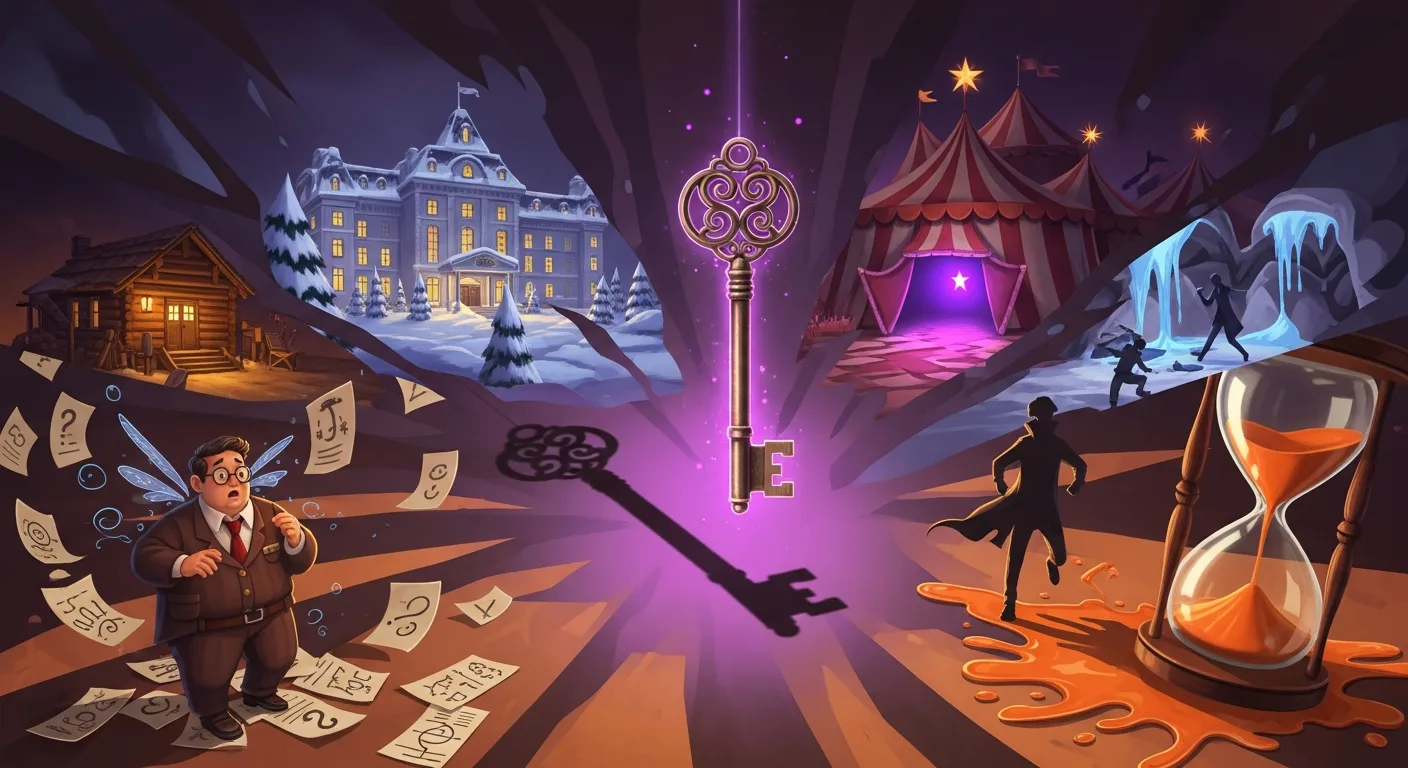
Format sits upstream of game choice. For creative teams the decision usually settles once two questions get asked. What shape is the calendar across the roster, and how much genuine shared-live energy would the event actually get if we forced everyone into one window?
Big Game is a single 60-90 minute live event. Everyone joins the same call at the same time, watching the same leaderboard shift, hosted end to end by a HeySparko Game Host. The energy of shared presence, a whole team reacting to a plot beat at the same second, is not something you can reproduce asynchronously. When the calendar can hold one window without asking Singapore to take a 6am call, Big Game is the format that delivers the most creative payoff per minute. Kickoffs, holiday parties, milestone anniversaries, launch celebrations, cross-team recognition. Those tend to land here. It's also the format where a Stage-3 reversal in a game like Apocalypse lands in every player's chat window at the same second, which is the specific feeling nothing async can quite substitute for.
Marathon is the format we built for teams whose calendars do not share the same clock. One to five days of async daily episodes, leaderboard-driven pull instead of scheduled-attendance push, no live host required. In our work with distributed rosters spread across six-plus time zones, Marathon reaches about 35% more of the team than a live event does. The people who wouldn't have shown up to a 10am mandatory call opt in when their day allows it. The multi-day story gets room to breathe. Completion rates run 78-92% across the 500+ companies we've tracked on it. For agency and design-shop cultures where "creative" is also code for "protect focus time," Marathon is often the more honest answer than a live event pretending to be optional.
Customization is the second lever. The three add-on tiers, NPC, Logo, and Story, are the mechanism that pushes an event from generic to identity-carrying. NPC rewrites character dialogue in your company's voice, weaving in internal language and, where appropriate, a real internal figure who gets a written cameo. Logo integrates your brand visually across the game UI, the leaderboard, and the take-home materials. Story rewrites the entire narrative arc to sit inside a real company moment: a milestone, a launch, a chapter closing. When the "creative" brief runs deeper than surface, stacking two of the three tiers usually does the work.
Customize for your team
TYPE 1
Your team as in-game characters
Real team members, mascots, or characters from your games as NPCs.
TYPE 2
Your brand integrated natively
Logo and brand elements native to game environments — locations, items, UI.
TYPE 3
Your story woven into the game
Company milestones, products, and inside references woven into puzzles, dialogues, and tasks.
When we ran BGaming's anniversary event for their roughly 400-person distributed roster, the Big Game format handled the shared-window question, and all three customization tiers did the identity-carrying work. Participation landed at 89%, above the 75% target the People Ops team had set going in. The engineering half of the company, the group least likely to sit through a scripted event, was the group that referenced the NPC dialogue most in the post-event pulse.
The six games worth naming when the brief is "something creative"
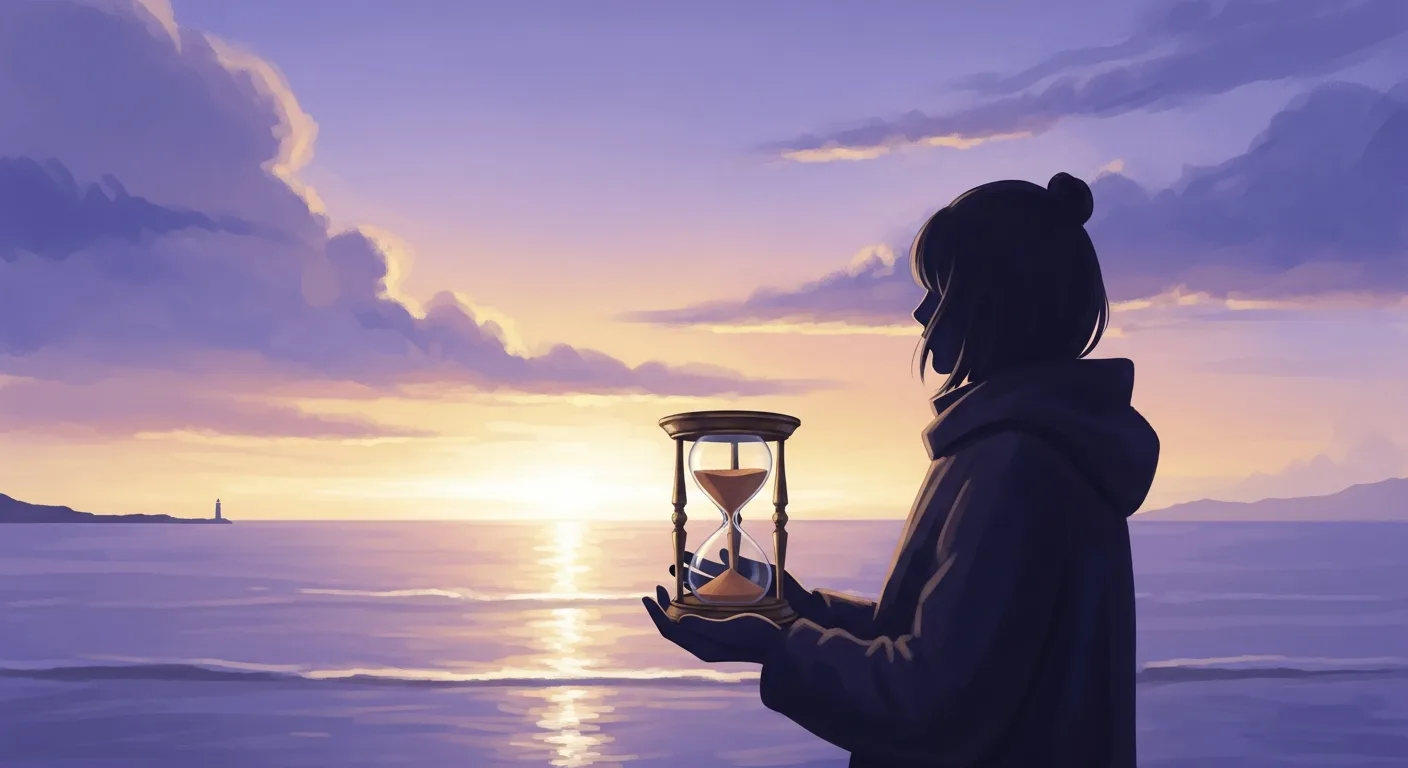
Each of the six below has narrative to sit inside, mechanics that reward more than one thinking mode, and enough texture to survive a repeat booking in the same year without going stale. The genre split is intentional. Three adventures, three mysteries, so a shop that ran one flavor this quarter has a clean pivot for the next.
Bureau of Magical Affairs is the year-round flagship. Whimsical bureaucratic chaos, closer to The Office by way of Men in Black than to any Tolkien framing, spread across four magical case files with four distinct puzzle styles: negotiation, time logic, stealth observation, and final synthesis. Onboarding cohorts book this one more than any other in the catalog, because the premise (everything is on fire and there's paperwork) maps onto the new-hire experience with unusual precision.
Apocalypse is the highest-energy game we run. An overnight outbreak, four locations between the team and a vaccine, a clock running the whole 80 minutes. Engineering, fintech, and startup teams keep re-booking it because the time-pressure mechanic surfaces coordination patterns that don't come out in a planning meeting. The quiet analyst who never volunteers on Zoom ends up running the Stage 2 routing decisions by minute 40. Halloween is peak season. The game holds year-round for teams that want urgency without the seasonal overlay.
Wintervald Hotel Mystery is the grown-up whodunit. An isolated luxury hotel in a snowstorm, a private dinner, a body before sunrise, one night to name the killer before the road reopens. December is the peak booking window for enterprise legal, finance, and executive teams that want a mystery without office-parody humor. Closer to Knives Out than to Clue, and the most enterprise-appropriate game in the catalog when a formal culture wants to enjoy itself without stepping out of character.
Under the Big Top is the warm-summer companion to Wintervald: same deduction mechanic, completely different aesthetic. A traveling circus, a vanishing headliner, a colorful cast of suspects each carrying their own memorable hook. The whimsy is melancholic rather than goofy, closer to Big Fish than to slapstick. Anniversary events use it well because the traveling-troupe metaphor lands cleanly on "we've been on the road together."
Book of Awakened Nightmares is the atmospheric Halloween game for teams that want mood, not menace. A cabin, a leather-bound book missing pages, three folklore worlds pulled from many traditions. Pacing is slower than Apocalypse, and the storytelling does the social work. Cameras-off is a valid mode. We keep it in the recommendation set for international rosters because no single culture's mythology dominates the material, and we've tested it across 15+ countries without a single comfort complaint.
Adventure Through the Ages is the surprise hit for anniversary events. Four historical eras, four sets of pioneers, the team thinking with the constraints each era's figures actually had. A hidden fifth-era stinger tied to your own company's founding story is the Story-tier customization we've built more than once for milestone celebrations. Pan-civilizational by design, women leaders written explicitly into every era, so it also does clean work for global rosters where a single-culture historical arc would land poorly.
What the research says about creative engagement
The strongest external argument for investing in creative team events sits on top of a specific finding from Buffer State of Remote Work 2023. Among remote workers who feel connected, 46% attribute that connection to having met in person. Among those who do not feel connected, 56% cite no opportunity to connect socially as the reason. The second half of that finding is the one worth staring at. It isn't about the value of in-person off-sites; it's about the specific cost of NOT running any social event, live or async. When distributed teams don't get a real reason to gather on their calendar, more than half of the ones who drop out of the "feels connected" bucket point to that absence directly. A creative virtual event, when it lands, is one of the mechanisms that keeps someone from ending up in the disconnected sub-sample.
The academic version of the same argument sits in Anog et al. (SSRN, 2023), a systematic review of more than 60 studies of structured team-building interventions. The review found that these activities increase satisfaction and reduce turnover, and that the effect amplifies when the events are integrated into a broader development strategy rather than run as one-offs. The single-event "we booked a fun day once" model shows up in the review as underperforming the same activity done on a quarterly cadence with connective work in between. That's the design signal for People Ops teams thinking about whether to book one memorable event a year or four smaller ones. The evidence favors the cadence.
Deloitte's 2024 Human Capital Trends report, drawn from 14,000 leaders across 95 countries, sharpens where to spend the effort. Organizations embracing microcultures, the rhythms and rituals of a team or workgroup, are 1.8 times more likely to achieve positive human outcomes and 1.6 times more likely to achieve desired business outcomes. Seventy-one percent of business and HR leaders in the survey said focusing on individual teams and workgroups is the best place to cultivate culture, agility, and fluidity. A creative team event, when customized to a specific team's culture rather than run as a company-wide stock experience, is a microculture intervention. That's the frame that turns "we did a fun day" into a defensible line item on next year's budget without requiring finance to accept "morale" as the metric.
The proprietary layer runs alongside the third-party research. The Marathon 78-92% completion range across 500+ companies is above what most opt-in engagement programs manage. The 35% additional roster reach (people who don't attend live events) is exactly the segment third-party engagement surveys tend to miss. Big Game participation, when the format matches the calendar, routinely lands above 85% at cross-team events. Those numbers only hold when the game itself carries enough weight to justify the calendar block. Which is the game-selection question the "creative" brief is trying to answer in the first place.
Frequently asked questions
How long does a creative virtual team building game usually run?
Big Game format lands between 60 and 90 minutes, with 75 minutes the sweet spot for most rosters and a natural mid-game break around the 35-minute mark. Marathon runs 1 to 5 days, with daily episodes that ask each player for roughly 30 to 45 minutes of engagement. The multi-day version is not a stretched Big Game. The pacing, story beats, and mid-week nudges are designed from scratch for async. Pick Big Game when the calendar holds one live window without penalizing anyone; pick Marathon when it doesn't.
What's the difference between a creative game and a standard virtual trivia event?
Trivia tests recall. A creative game asks players to inhabit a role, follow a story, and solve puzzles that reward observation and coordination as much as quick answers. Both formats have their moments. Trivia works well for light closers and holiday parties where a low-cognitive-load option is exactly right. When the People Ops brief uses "creative," the team almost always means they've done trivia recently and are asking for a game with narrative structure and mechanical variety instead of another one.
How many people can join a creative team building event?
HeySparko scales from 5 players to 10,000 in a single session, with volume-tiered pricing that gets meaningfully lower per player at larger group sizes. The sweet spot for a single Big Game session is 50 to 500 players, where breakout dynamics feel most alive; above 500 the game splits into competing squads on a shared leaderboard, which works cleanly to 10,000. Marathon has the same range, and the async format tends to handle larger, more distributed rosters even more comfortably than a live event of the same size.
Do participants need to install any software before the event?
No install, no account creation, no app download. Players join through a browser link the day of the event. The player app runs on corporate-locked laptops, including machines with restrictive endpoint tooling like Crowdstrike enforcement and Cisco lockdowns, and we've tested it against the setups People Ops teams tend to worry about before booking. IT tickets in the week before an event are essentially nil, which is exactly the point of the browser-only design.
How do we measure whether a creative team event actually worked?
The built-in analytics dashboard covers the numbers a People Ops lead needs for the leadership readout: participation rate, team scores by breakout, chat heat as a coordination signal, and a post-event NPS pulse. Marathon adds by-day engagement and a completion cohort split. Numbers show up within 24 hours of the event, not next week, so the debrief and any follow-up planning happen while the memory is still fresh and the team's post-event Slack thread is still alive.