
Generic trivia packs work. That's not the problem. The problem is that a perfectly good pop culture quiz leaves no trace in your company's culture — no inside jokes circulating in Slack the following week, no reference that surfaces in a team meeting six months later, no moment that defines "that was our anniversary event." Our portfolio: 2,000+ live virtual team events, 700+ companies served, 50+ countries reached, five years of operating data since 2020. The pattern holds: off-the-shelf trivia is the forgettable baseline, and company trivia is the event people reference years later.
In our work with distributed teams, the HR leaders who get the most value from a trivia event aren't always the ones with the biggest budgets. They're the ones who matched the customization level to the occasion, knowing when a Logo tier was enough, when a full company-specific question pack was worth the two-week build, and when trivia was the wrong format entirely and a narrative adventure would land better.
How do you create a team trivia game that feels like it belongs to your company?
What "customizable" actually means for team trivia
The word "customizable" gets applied to a lot of event options that aren't meaningfully different from the off-the-shelf version. A stock quiz with your company logo on the leaderboard is customization — minimal, fast, fine for most occasions. A 30-question pack built entirely from your company's product history, engineering milestones, and the Slack thread that broke the internet internally two years ago is a different kind of customization. Both are valid. They serve different occasions, with different lead times, different briefing requirements, and different effects on the team afterward.
At HeySparko, customization sits in three tiers — NPC, Logo, and Story — that stack independently across all formats and game types. For trivia events specifically, each tier changes a different layer of the experience: NPC shapes the host-side banter and character commentary, Logo changes what the visual environment looks like for every participant, and Story determines whether the questions are generic or company-specific. About 5% of HeySparko events combine all three tiers; the anniversary market accounts for most of that. Understanding what each tier costs in time and briefing effort is the decision that determines whether a trivia event stays generic or becomes the one people reference.
Customize for your team
TYPE 1
Your team as in-game characters
Real team members, mascots, or characters from your games as NPCs.
TYPE 2
Your brand integrated natively
Logo and brand elements native to game environments — locations, items, UI.
TYPE 3
Your story woven into the game
Company milestones, products, and inside references woven into puzzles, dialogues, and tasks.
The NPC tier adjusts how the game's characters speak. For trivia, that means the round introductions and color commentary between questions reflect your company's internal language: the industry jargon your engineering team uses, the reference nobody outside the company understands, the product name that only landed after the third rebranding attempt. NPC customization requires a five-bullet brief on company voice and 10 business days of lead time. It's the lowest-friction customization that reliably changes how the event feels without touching the questions themselves.
The Logo tier puts your brand into the game environment: your colors on the leaderboard, your logo on the splash screens, team-naming conventions aligned with how your organization structures itself. For HR leaders running events that need to feel like an internal production rather than a vendor service, this is the tier that closes the perception gap. Visual brand integration doesn't change the questions, but it changes whether participants feel like they're inside "our event" or renting someone else's.
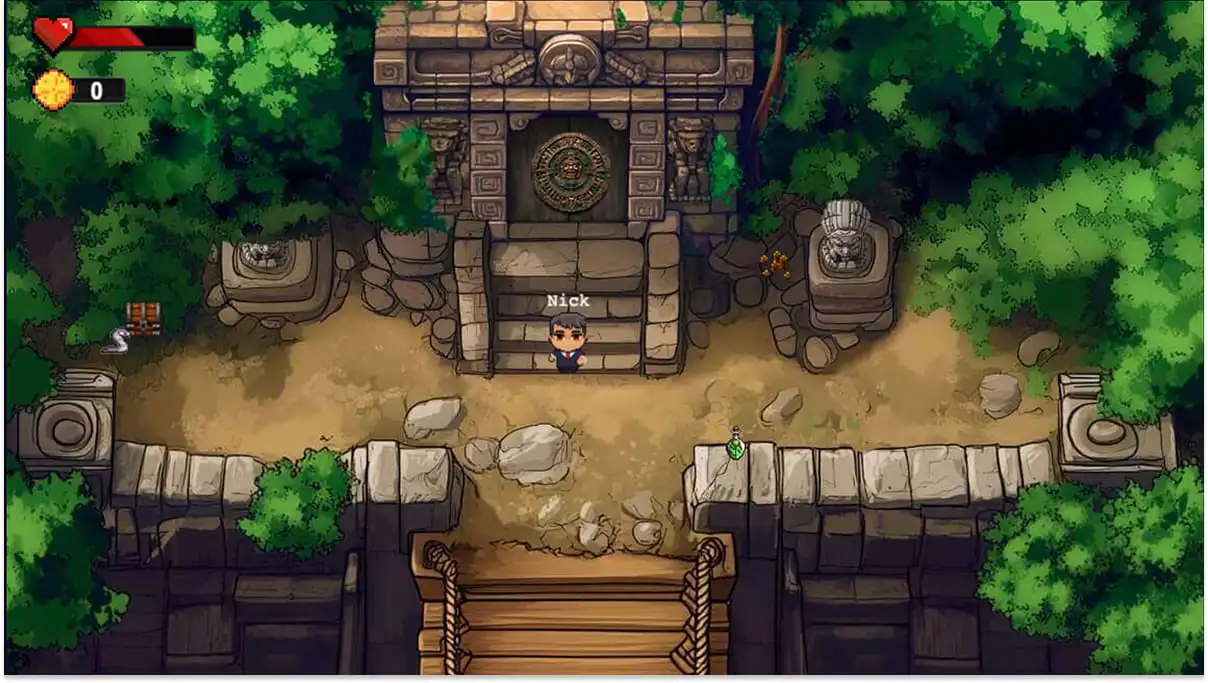
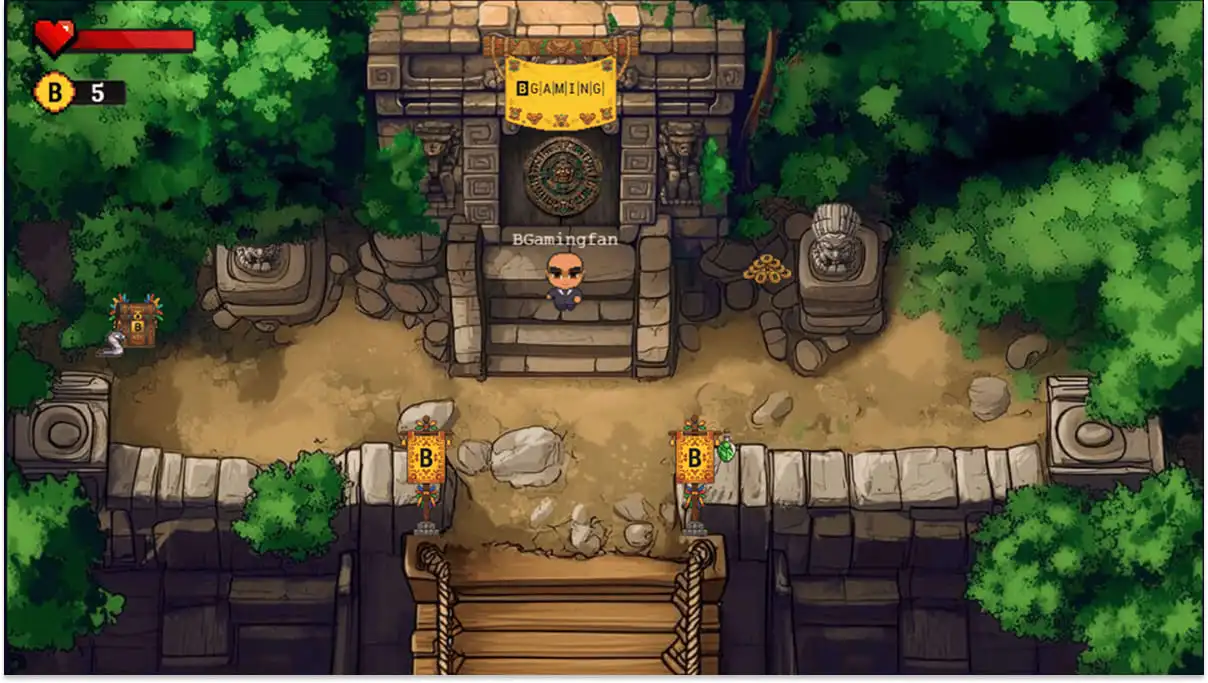
The Story tier is where trivia becomes company trivia. The questions themselves get rewritten around your company's actual history. Round one covers founding moments, early team decisions, product pivots the long-tenured employees remember. Round two uses your internal visual artifacts: brand evolution screenshots, team photos cleared for use, the slide that circulated company-wide when you hit a milestone. Round three is the cultural finale: the references that only land if you've been inside the company for a year or more.
One thing we've noticed across hundreds of Story-tier events: the questions that produce the most visible team bonding aren't the ones about company milestones. They're the ones where a newer employee gets something wrong and a four-year veteran explains the real story behind it in the team chat. The questions are the trigger; the conversation they create is the actual event.
Big Game vs Marathon: choosing the right delivery format

Every HeySparko trivia event runs in one of two formats. The decision isn't about preference — it's about your team's time-zone spread and whether a shared real-time experience is achievable without disadvantaging someone.
Big Game runs the trivia as a single live session: 60-75 minutes, everyone on the same call, a HeySparko Game Host running all three rounds in real time. The leaderboard updates as teams submit answers. The whole company watches the same question, debates the same clip from Round 2, groans collectively when the final-round wager backfires. This shared-moment energy is what people describe when they call a team event genuinely fun. Big Game is the right format when your participants are within a 6-hour time zone spread and a single shared window is achievable, when you can get everyone in the same virtual room.
Marathon runs the same trivia over 1-5 days, with each episode releasing on a schedule. Participants play whenever their local calendar has a window: the Tokyo team at 3pm local time, the San Francisco team at 3pm local time, no one disadvantaged, no one logging in at 6am. The leaderboard stays live across days, which creates pull without creating obligation. We see 78-92% completion rates in Marathon trivia events, which runs consistently higher than forced-synchronous attendance at the same companies. The format isn't async as a compromise — it's async as a design choice for teams that span more time zones than a single live window can cover.
For a company anniversary using the Story tier, the format decision often comes down to one question: does leadership want the shared-moment energy of a live reveal, or does the team's distribution make Marathon the only format that reaches everyone? We've run both for milestone events. For a 400-person company across three time zones, Big Game with full customization is usually the stronger choice. The moment when half the company gets a question wrong about their own founding myth is funnier in real time than it is async. For a 600-person company spread across 12 time zones, Marathon lets every employee participate rather than watching a recording the next morning.
A fintech we worked with last fall faced this choice for their 5-year anniversary. Their US/EU/APAC split meant no live window covered more than 40% of the company simultaneously. They ran a 3-day Marathon with Story customization: questions built from the company's founding deck, product screenshots from year one, and the customer success email that went company-wide when they hit their first major milestone. Completion rate: 71%. The questions with the lowest individual accuracy (the ones nobody was certain about) became the most-discussed topics in Slack after the event ended. That conversation was the real value.
When to upgrade from off-the-shelf to a company-specific pack
Not every trivia event needs custom questions. Theme packs run well as quarterly all-hands closers: low-stakes, universally accessible, no briefing time required. Off-the-shelf trivia has a real place in the rotation. The case for upgrading to a custom pack hinges on the occasion and on where the team is in its event history.
If the event marks a specific company milestone — anniversary, round close, hitting a headcount landmark, a product launch that had a specific internal story behind it — then an off-the-shelf pack squanders the occasion. When you have 300 people together for the 10-year anniversary, the content should be about those 10 years. Generic questions can't do that.
If the team has done trivia three or four times and the energy has started to plateau (same format, same general category of questions, diminishing novelty), the upgrade path is either a different format entirely or a company-specific pack. We see this pattern repeatedly with teams running quarterly events: the first two sessions run at high engagement, the third runs slightly flat, and the right next step is usually either building a custom pack for an upcoming milestone or rotating to a narrative adventure format. Last Temple Mystery and Wintervald Hotel Mystery both run well as the "we've done trivia several times, let's try something different" option: no trivia knowledge required, fully collaborative, narrative-driven throughout.
If the team spans multiple cultures, languages, or regional offices, a custom pack is one of the few formats that levels the playing field. Generic pop culture questions can disadvantage newer employees and international team members who don't share the same cultural references. Company-history questions don't have that problem: every employee was present for the same product milestones regardless of when they joined, and that common ground is where the interesting team dynamics emerge.
For teams where the occasion calls for deep narrative immersion rather than Q&A format, adventure games like Adventure Through the Ages or Bureau of Magical Affairs serve a different engagement goal: immersive story, puzzle-solving, no prior knowledge required. Both work well as the "special occasion" format when the brief is less about company history and more about the team solving something together, and both support the same NPC, Logo, and Story customization tiers.
Building the brief: what you actually need to provide
The main reason teams avoid custom trivia isn't the cost — it's the perceived effort of assembling the content brief. In practice, a standard 30-question pack brief takes about one focused hour, and what we need is simpler than most people expect.
For NPC customization: five bullet points on how your company talks internally. Industry language, inside references, the terminology that marks a newcomer from a veteran. That's the entire brief.
For Logo customization: an SVG logo file, brand color hex codes, and whether you have a team-naming convention. Turnaround from receipt to integration is 10 business days.
For a custom Story-tier question pack: the most useful brief is whatever format is easiest for you. A Google Doc with bullet points per company era. A Slack export from the founding team. A 30-minute call with whoever holds the institutional memory. We've built strong packs from all three, and the brief format doesn't determine the quality of the questions — the raw material does.
Standard scope at 30 questions takes two weeks from brief submission to event-ready delivery. Smaller builds under 25 questions can close in one week. Larger builds (60-plus questions, multimedia integration, visual-recognition rounds using your own internal images) need three weeks minimum.
Mission 8-Bit and Apocalypse are two adventure formats we commonly recommend when a team wants full Story-tier customization but prefers a narrative game over trivia. The brief process is nearly identical (one narrative page plus a 30-minute alignment call), and the result is a game where your company's situation becomes the plot rather than the quiz content.
One pitfall worth naming: teams that request Story-tier customization five days before the event. Minimum lead time for a custom question pack is 14 days. This is almost never a problem when the anniversary or milestone event is planned in advance. The complication arises when a team hears about the event late and tries to add customization after the production window has closed. Build the customization brief into the original booking, not as a last-minute addition.
What the engagement data says
The business case for customized team events doesn't rest on intuition. A consistent body of research connects structured shared experiences to engagement and retention outcomes, and customization amplifies those effects in ways the data supports.
Quantum Workplace's 2024 Workplace Trends Report — which surveyed executives at companies in its database of 700,000+ employees across 8,000+ U.S. organizations — found that 92% of executives say they have seen increased performance as a result of their engagement efforts. The signal in that number isn't just that leadership believes engagement work pays off; it's that the executives closest to the P&L are the ones reporting the lift. What this means practically for HR leaders defending an events budget: a customized event with team-specific leaderboards and manager-level analytics gives you the participation map an engagement survey can't produce — the data from a trivia Marathon shows you which teams played, which completed all three rounds, and which dropped off after day one. That's the kind of post-event signal the executive sub-sample in Quantum's database is acting on when they report increased performance.
Microsoft's 2024 Work Trend Index found that 57% of distributed workers prefer asynchronous engagement options over live ones when given the choice. That's the research backing for why the Marathon format exists — and it explains why completion rates for async events run consistently higher than forced-synchronous attendance at the same companies. An event people choose to participate in performs differently from one they feel obligated to attend.
Deloitte's 2023 Human Capital Trends report found that 46% of employees felt less connected to colleagues than before the pandemic. That's the connection deficit team events are designed to address, but the research on what kinds of events address it meaningfully is specific: events that create shared memory, shared reference, and shared identity show measurable post-event engagement lift. A generic trivia night creates a shared experience in the abstract. A custom pack built around your company's story creates specific references — the question nobody got right, the correct answer that revealed an unknown piece of company history, the team chat thread that ran for 20 minutes after the event ended.
The academic literature supports this direction. Anog et al.'s systematic review across 60-plus team-building studies, published via SSRN in 2023, found that structured activities consistently increase satisfaction and reduce turnover — with effects amplified when the activity integrates into a broader engagement strategy rather than functioning as a one-off event. A custom trivia pack built for a company anniversary, followed by post-event analytics and a manager's recap in the team Slack channel, is closer to that integrated model than a quarterly vendor event that leaves no institutional trace.
Across 2,000-plus events in our own data: post-event NPS for company-anniversary trivia with Story-tier customization runs 0.4-0.7 points higher than the same team running generic trivia earlier in the event cycle. That gap compounds when the event creates references that keep circulating internally. The real ROI of custom trivia isn't in the 75 minutes of the event itself — it's in the three weeks of ambient reference that follows.
For HR leaders building the retention math around their events program: the connection between structured engagement events and the leading indicators that drive retention is real, but it requires treating the event as one component of a continuous engagement strategy rather than a standalone. The analytics from a HeySparko Marathon give you the participation-rate and NPS data to make that case to Finance. Stolen Hours and Book of Awakened Nightmares are two narrative adventure formats we see regularly in Q4 retention pushes: team-collaborative, atmospheric, and well-suited to the Story tier for teams that want a narrative anchor rather than a quiz.
Frequently asked questions
How long does it take to build a custom trivia pack for our company?
Standard scope (about 30 questions across three rounds) takes two weeks from brief submission to event-ready delivery. Smaller builds under 25 questions can close in one week. Larger builds with multimedia integration or 60-plus questions need three weeks. The brief itself typically takes about an hour: a Google Doc, a Slack export from the founding team, or a 30-minute call with whoever holds the institutional memory. Brief format is flexible: we work with whatever makes the raw material easiest to share.
What's the difference between Big Game and Marathon for team trivia?
Big Game runs trivia as a single live 60-75 minute session — everyone in the same call, a HeySparko Game Host running rounds in real time, leaderboard updating as answers come in. It works best for teams within a 6-hour time zone spread who can share a live window. Marathon runs the same trivia over 1-5 days, with daily episodes players complete on their own schedule — designed for distributed teams across 8-plus time zones. We see 78-92% completion rates in Marathon format, often higher than forced-synchronous attendance at the same companies.
How many people can participate in a customizable trivia event?
Both formats scale to 10,000 players in a single event. Practically, Big Game trivia works best under 400 people in a single live call — above that, coordinating real-time participation gets unwieldy even for a skilled host. Marathon handles 500-10,000 comfortably because async participation removes the problem of coordinating everyone on one call at the same moment. The minimum is 15 players for a Big Game session. There's no hard minimum for Marathon beyond having enough teams to make the leaderboard competitive.
Do participants need to download anything to play?
Nothing to download, no account creation, no IT tickets required. Players join through a browser link sent in the invite email. This matters in corporate environments where managed laptops often block app installs but leave browsers unrestricted. The only technical requirements are a stable internet connection and audio — the Game Host's live narration and the audio-recognition round both depend on participants being able to hear clearly. We've run events on corporate-managed devices across industries with very few connection issues.
What if our team prefers a narrative game instead of trivia?
Trivia is one format on the HeySparko platform. If the team has run trivia several times and wants something different, or if the occasion calls for story and collaboration over Q&A, adventure and mystery formats cover that need. Under the Big Top and Mission: Save Christmas both run in Big Game and Marathon format, support the same NPC, Logo, and Story customization tiers, and require no prior trivia knowledge to participate fully. The brief process for Story-tier customization on an adventure game is identical to the trivia custom pack process.
How do we measure whether the trivia event worked?
Every HeySparko event delivers a post-event analytics report: participation rate by team, completion rate for Marathon format, NPS from the in-event pulse, and team-level score breakdown. For HR leaders building a retention argument, we recommend pairing the event with a 3-question pre/post pulse survey — the HeySparko data handles participation and in-event NPS, and your survey captures the organizational signal. McKinsey's 2024 workplace engagement research puts the re-engagement window at 6-9 months before measurable retention impact appears, so the event starts the clock rather than delivering immediate results.