


Event virtual untuk tim kecil — kelompok 10 hingga 50 orang — berada di zona tengah yang tidak nyaman, yang memang tidak pernah dirancang oleh sebagian besar format team building virtual. Produk berformat besar terasa sepi ketika hanya 22 orang yang hadir. Struktur breakout-and-play yang dibuat untuk audiens 200 orang menciptakan kesan aneh dan setengah kosong ketika seluruh perusahaan muat dalam satu baris Zoom. Dan pendekatan vendor escape room standar — "perkecil saja hal yang besar" — menghadapi masalah spesifik pada ukuran ini: dengan 25 orang, semua orang sudah tahu akan masuk ke breakout mana, apa yang akan dikatakan rekan tim mereka, dan siapa yang akan menanggung beban puzzle. Anonimitas yang membuat game kompetitif berformat besar terasa seru sudah lenyap.
Setelah 1.500+ event virtual — di 300+ perusahaan di 50+ negara sejak 2020 — polanya lebih konsisten dari yang diperkirakan kebanyakan pemimpin People Ops. Tim kecil dengan kurang dari 50 orang memiliki mode kegagalan tersendiri. Bukan soal energi atau anggaran. Ini soal memilih format dan game yang dirancang untuk kelompok di mana semua orang sudah saling mengenal, bukan event massal yang diperkecil dan membuat ruangan terasa setengah kosong.
Game virtual team building apa yang paling efektif untuk tim kecil?
Apa yang berubah dari game virtual ketika semua orang sudah saling kenal
Dinamika yang membuat game berformat besar berhasil — anonimitas yang terasa hidup dari 400 orang di leaderboard langsung, tanpa satu pun dari mereka yang yakin siapa yang memperhatikan — langsung menghilang begitu kelompok Anda hanya 25 orang yang sudah berada di workspace Slack yang sama selama dua tahun. Pada skala ini, setiap jawaban yang dikirimkan dapat dilacak ke pengirimirimnya. Setiap lelucon berhasil atau tidak dalam konteks yang bisa dibaca oleh seluruh ruangan. Taruhan sosialnya lebih dekat ke pesta makan malam daripada ke acara stadion.
Itu sebenarnya keunggulan — asalkan Anda memilih game yang tepat.
Tim kecil lebih cepat dalam koordinasi. Ketika breakout lima orang sudah mengenal gaya kerja satu sama lain, game deduksi dan format puzzle kolaboratif diselesaikan lebih cepat karena kepercayaan sudah terbangun. Sebuah misteri yang membutuhkan 90 menit untuk event 300 orang mungkin hanya butuh 75 menit untuk tim 25 orang yang sudah solid — bukan karena mereka memotong jalan pintas, melainkan karena mereka sudah membangun bahasa komunikasi bersama.
Mode kegagalan yang paling sering kami lihat dalam event tim kecil adalah memilih game yang mengandalkan anonimitas untuk energinya. Tim 20 orang tidak membutuhkan psikologi leaderboard yang dirancang untuk menarik 500 orang kembali ke dashboard setiap pagi. Yang mereka butuhkan adalah sesuatu yang menempatkan kedekatan yang sudah ada dalam konteks baru: skenario yang menghargai cara mereka bekerja bersama, menampilkannya dengan cara yang belum pernah mereka lihat sebelumnya, dan memberi mereka sesuatu yang layak dibicarakan di thread Slack keesokan harinya.
Dalam pengalaman kami, variabel yang paling penting untuk event tim kecil bukan anggaran atau bahkan genre game. Melainkan masa kerja tim (sudah berapa lama kelompok ini bersama), nada budaya (hangat dan santai vs. formal dan hati-hati), serta persebaran zona waktu (apakah semua orang bisa berbagi jendela waktu langsung atau membutuhkan sesuatu yang async). Dapatkan ketiga pembacaan ini dengan benar dan sebagian besar keputusan format akan mengikuti dengan sendirinya.
Satu hal yang secara konsisten mengejutkan para pemimpin People Ops yang kami ajak bekerja sama: memilih kesesuaian budaya yang salah untuk tim kecil jauh lebih terlihat dibandingkan untuk tim besar. Pada 400 orang, game bisa sedikit meleset dari karakter merek dan energi keramaian akan mengompensasinya. Pada 25 orang, game yang tidak sesuai dengan sensibilitas tim akan diperhatikan oleh semua orang dalam 10 menit pertama. Presisi jauh lebih penting pada skala ini.
Big Game vs. Marathon untuk tim kecil
Pilihan format memiliki konsekuensi lebih tinggi untuk kelompok kecil dibandingkan kelompok besar, karena tidak ada rata-rata statistik untuk menghaluskan ketidakcocokan. Salah pilih format untuk perusahaan 500 orang dan jumlah peserta yang tepat masih akan terlibat. Salah pilih untuk 25 orang dan kelesuan itu terlihat di seluruh ruangan.
Big Game biasanya merupakan pilihan yang lebih kuat untuk tim kecil ketika kelompok dapat mengkoordinasikan sesi langsung. Untuk kelompok 10-50 orang, format Big Game — satu event sinkron 60-90 menit dengan host HeySparko yang menjalankan segalanya — menciptakan energi momen bersama yang akan dirujuk tim setelahnya. Struktur breakout (tim 4-8 orang) berarti setiap peserta aktif terlibat, bukan sekadar menonton. Pada skala kecil, kehadiran host langsung bahkan lebih penting dibandingkan event berformat besar karena tidak ada keramaian yang dapat menyerap transisi yang canggung.
Kami telah menjalankan event Big Game untuk tim sekecil 12 orang dan hasilnya sama baiknya — kadang lebih baik — dibandingkan event untuk 400 orang. Semakin intim kelompoknya, semakin penting kesesuaian budaya dalam pemilihan game. Memilih Bureau of Magical Affairs untuk tim engineering yang menghargai absurdisme hangat akan berhasil dengan baik. Memilih game yang sama untuk tim legal yang kaku dan mengharapkan sesuatu yang elegan akan menghasilkan hasil yang berbeda. Presisi dalam pemilihan game adalah keahlian sesungguhnya pada skala ini.
Marathon adalah pilihan tepat ketika tim kecil memiliki persebaran zona waktu yang signifikan atau budaya yang menolak event langsung wajib. Kami paling sering melihat ini pada tim startup terdistribusi: 30 orang di 9 negara, tidak ada jendela jam kerja bersama, dan budaya individual-contributor yang kuat yang merasa agak terganggu dengan "semua orang di Zoom jam 3 sore". Marathon 3 hari memberi setiap anggota tim jendela waktu yang sesuai dengan jadwal mereka yang sebenarnya. Leaderboard menciptakan daya tarik kompetitif tanpa memerlukan koordinasi.
Satu catatan jujur tentang Marathon pada skala yang sangat kecil: tim dengan kurang dari 15-20 orang dapat kehilangan sebagian kepadatan sosial yang membuat async berhasil. Efek leaderboard — melihat skor tim Anda bergerak dan mengetahui kira-kira siapa yang bersaing — membutuhkan cukup peserta agar terasa hidup. Pada 10 orang, persaingan ada namun lebih tenang. Ini tetap berjalan; daya tariknya hanya berbeda.
Kerangka yang berguna untuk memutuskan: jika tim Anda berjumlah 20+ orang yang tersebar di 4+ zona waktu, Marathon kemungkinan adalah format yang tepat. Jika mereka berjumlah 15-40 orang dalam jendela jam kerja yang kurang lebih sama dan budaya tim cenderung ke pengalaman bersama, Big Game biasanya merupakan event yang lebih kuat. Kedua format mendukung game yang sama; pilihannya adalah soal sinkroni, bukan soal game apa yang tersedia.
Enam game yang berjalan baik pada skala kecil
Katalog game sama pentingnya dengan format untuk tim kecil. Berikut cara masing-masing dari enam game dalam daftar rekomendasi kami berjalan pada skala kecil, dengan catatan jujur tentang di mana masing-masing paling cocok dan di mana tidak.
Apocalypse, krisis wabah empat tahap selama 80 menit, menghasilkan tekanan koordinasi yang mengungkap dinamika tim lebih cepat dari hampir apapun dalam katalog. Untuk tim kecil, struktur empat tahap (Research Center → Street → Power Station → Laboratory) membuat setiap fase terasa seperti tantangan yang terkendali daripada grind yang panjang. Kami telah menjalankan ini untuk tim engineering dan fintech di rentang 18-35 orang dan fase manajemen sumber daya Tahap 3 secara konsisten menjadi tempat munculnya pemimpin alami tanpa harus diperintahkan. Game ini berenergi tinggi dan bertekanan waktu, yang berjalan baik jika budaya tim nyaman dengan urgensi. Bukan pilihan tepat untuk audiens enterprise formal atau kelompok yang baru bersama kurang dari 90 hari. Mekanik stres memerlukan baseline koordinasi yang sudah ada agar berjalan dengan baik. Untuk tim kecil yang lebih merespons ketegangan lambat daripada urgensi, Book of Awakened Nightmares adalah padanannya: petualangan misteri ensembel dengan intensitas lebih tenang yang membiarkan ruangan menyelami narasi daripada terburu-buru.
Mission 8-Bit, petualangan krisis-virus retro selama 90 menit, adalah pilihan terkuat untuk quarterly kickoff bersama tim teknis kecil. Struktur tiga tahap (escape → rebuild → ship the patch) memetakan satu kuartal produk dengan cara yang benar-benar berfungsi sebagai metafora bukan analogi yang dipaksakan. Kami paling sering memesan ini untuk tim SaaS dan fintech di rentang 20-50 orang yang memiliki budaya nostalgi-terhadap-keahlian. Sprite sheet 8-bit yang dikirimkan setelah event berubah menjadi avatar Slack pada skala tim kecil dengan konsistensi yang belum kami lihat dari hasil game mana pun. Tim cukup kecil sehingga semua orang tahu sprite siapa yang mana.
Bureau of Magical Affairs, petualangan birokrasi-magis penuh keceriaan (90 menit, lebih dekat dalam nuansa ke The Office × Men in Black daripada referensi high-fantasy mana pun), adalah rekomendasi tertinggi kami untuk kohort Onboarding pada skala tim kecil. Tim kecil yang membawa kohort baru 10-20 orang menemukan bahwa premis game (terlalu banyak krisis, ditambah lagi ada paperwork) mencerminkan apa yang sebenarnya dirasakan karyawan baru di minggu-minggu pertama. Kekacauan semua orang menjadi kekacauan bersama. Karyawan baru langsung merasa dilibatkan karena absurdisme game adalah masalah semua orang secara merata. Kami telah memiliki klien yang menjalankan ini untuk lebih dari 100 minggu orientasi karyawan baru di berbagai ukuran perusahaan; ini telah menjadi standar kuartalan mereka.
Wintervald Hotel Mystery, whodunit bergaya Agatha Christie di hotel bersalju selama 75-90 menit, adalah game yang kami pesan untuk tim kecil yang formal atau berdekatan dengan enterprise. Jika tim legal atau keuangan 30 orang menginginkan sesuatu yang benar-benar terasa canggih — bukan sekadar pesta kantor — inilah pilihannya. Mekanik deduksi (mencocokkan alibi tersangka, membangun garis waktu bersama, menyebut pembunuh sebelum badai berlalu) berjalan sangat baik pada skala kecil karena fase wawancara menghargai perhatian yang terfokus. Klien perhotelan yang kami tangani tahun lalu — sekitar 35 orang di tiga kantor Eropa — menjalankan Wintervald untuk event akhir tahun mereka dan menemukan bahwa pengungkapan misdireksi (pembunuh "yang sudah jelas" adalah yang dirancang untuk mengelabui ruangan) mendarat sebagai momen paling banyak dibicarakan di saluran Slack perusahaan selama dua minggu berikutnya.
Under the Big Top, misteri sirkus vintage selama 75-90 menit, adalah padanan musim panas untuk Wintervald, dengan estetika yang lebih hangat dan lebih penuh keceriaan. Investigasi backstage (menavigasi tersangka yang mampu melakukan hal-hal mustahil) menghargai pemikiran lateral dan jenis tim berbudaya kreatif yang menemukan deduksi detektif menyenangkan daripada menegangkan. Sebuah tim 28 orang di empat kota EMEA yang kami jalankan ini untuk musim semi lalu memilihnya untuk reset pertengahan tahun mereka; dinamika "departemen mana yang pertama memecahkan teori tersangka" mendorong lebih banyak percakapan lintas fungsi di minggu setelahnya dibandingkan tiga event sebelumnya. Format Marathon sangat cocok untuk Under the Big Top khususnya bagi tim kecil terdistribusi: ritme investigasi multi-hari membiarkan deduksi berkembang di antara episode.
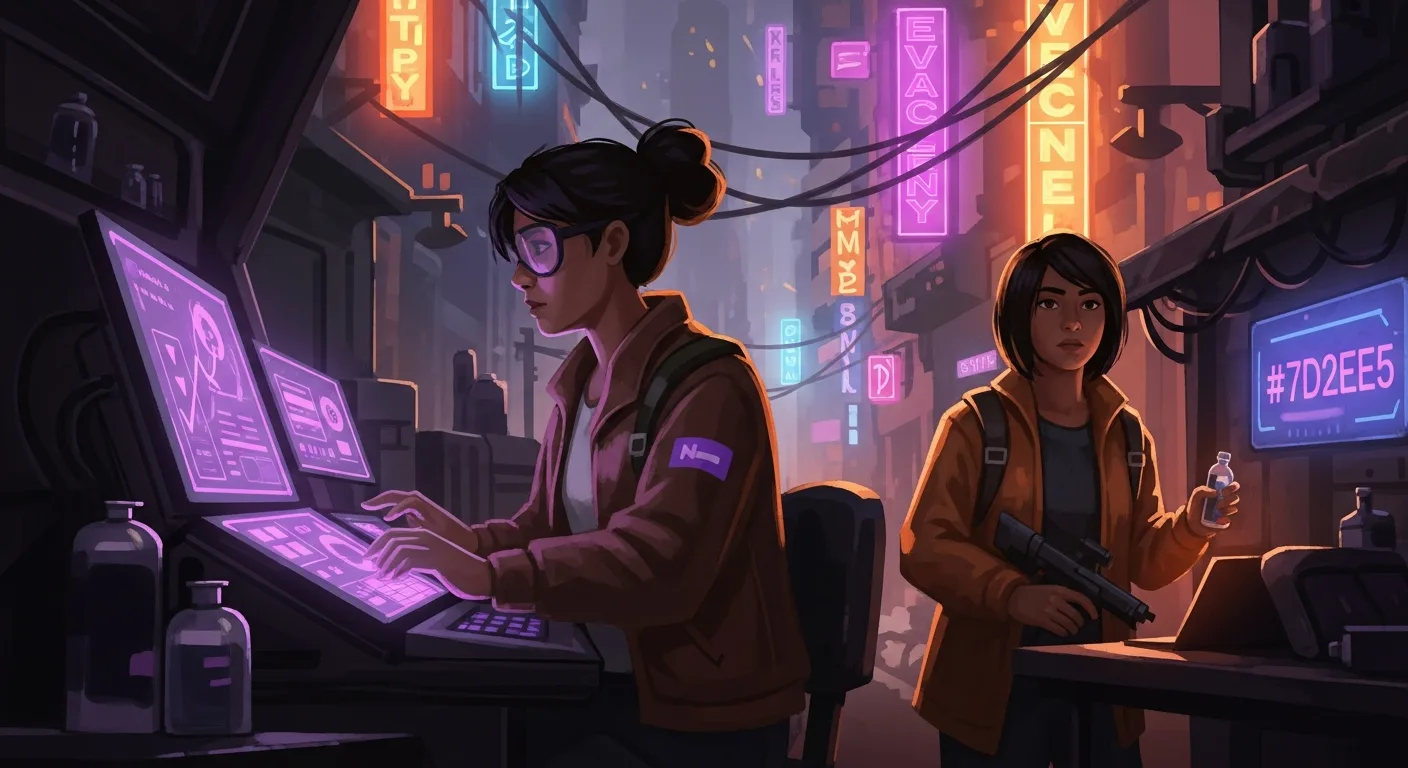
Stolen Hours, petualangan Desember yang melintas genre melalui dunia postapocalypse, cyberpunk, steampunk, dan biopunk selama 90 menit, adalah pilihan tepat untuk tim kecil yang anggotanya berasal dari latar belakang profesional yang beragam. Struktur empat dunia menampilkan kekuatan yang berbeda-beda: beberapa pemain bersinar di tahap deduksi postapocalypse yang keras; yang lain di dekode sinyal neon cyberpunk. Untuk tim kecil di mana semua orang cenderung menjalankan peran yang sama dalam konteks kerja normal, menyaksikan satu sama lain memimpin dalam lingkungan yang bergeser genre sungguh informatif dan biasanya menghasilkan beberapa tawa. Untuk event Desember, ini adalah pilihan anti-klise untuk tim yang sudah mencoba setiap format liburan standar dan menginginkan sesuatu yang lebih segar.
Apa yang dikatakan data

Tim kecil sering berasumsi bahwa mereka tidak memerlukan strategi keterlibatan formal: kelompoknya solid, semua orang saling mengenal, dan ikatan informal terasa stabil. Penelitian menantang asumsi itu — dan dengan cara-cara yang spesifik untuk dinamika tim kecil.
Laporan Deloitte 2024 Global Human Capital Trends tentang pengorkestrasian mikrobudaya tempat kerja menemukan bahwa organisasi yang merangkul mikrobudaya 1,8× lebih mungkin mencapai hasil positif bagi manusia dan 1,6× lebih mungkin mencapai hasil bisnis yang diinginkan, serta bahwa 71% pemimpin bisnis dan HR mengatakan fokus pada tim individu dan kelompok kerja adalah tempat terbaik untuk menumbuhkan budaya, ketangkasan, dan fluiditas. Framing ini penting untuk konteks tim kecil karena tim 25 orang bukanlah versi yang disederhanakan dari budaya perusahaan — ia sudah merupakan mikrobudaya, dengan ritme, lelucon internal, dan pola kepercayaan sendiri yang berbeda dari org yang lebih luas. Program keterlibatan di seluruh perusahaan dan rata-rata skor survei menghapus dinamika tingkat tim tersebut. Event tim terstruktur bekerja pada skala ini justru karena mereka mengintervensi di lapisan mikrobudaya yang ditunjuk data Deloitte: satu tim, satu pengalaman bersama, satu set analitik pasca-event yang spesifik untuk orang-orang di ruangan.
Laporan Deloitte 2025 Global Human Capital Trends mensurvei 14.000+ pemimpin bisnis dan HR di 95 negara dan menemukan bahwa 88% eksekutif kini menempatkan rasa memiliki di antara tiga prioritas HR teratas mereka, naik dari 53% pada 2020. Bahasa telah bergeser dari "keterlibatan" (skor survei) ke "rasa memiliki" (pengalaman yang dirasakan). Tim kecil memiliki keunggulan struktural di sini — keintiman sudah hadir. Namun rasa memiliki tanpa pengalaman bersama hanyalah kedekatan. Tim 25 orang yang sudah mengikuti panggilan Zoom bersama selama dua tahun tetapi tidak pernah melakukan apapun di luar konteks kerja tetap bisa mendapat skor rendah dalam survei rasa memiliki. Investasi dalam pengalaman bersama adalah pembedanya.
Bukti akademis mendukung ini. Tinjauan sistematis Anog dkk. tahun 2023 terhadap 60+ studi, yang diterbitkan di SSRN, menemukan bahwa aktivitas team building terstruktur secara andal meningkatkan kepuasan dan mengurangi perputaran karyawan, dengan efek yang diperkuat ketika aktivitas diintegrasikan ke dalam strategi keterlibatan yang lebih luas daripada diperlakukan sebagai event satu kali yang terisolasi. Ritme kuartalan mengungguli ritme tahunan. Event satu kali memiliki nilai yang jelas; kalender yang dapat diprediksi memiliki nilai lebih.
Dalam data kami sendiri dari 1.500+ event, tim kecil menunjukkan pola kuat dalam format Marathon. Tingkat penyelesaian 65-78% bertahan bahkan pada jumlah pemain yang lebih kecil, dan leaderboard kompetitif menarik peserta yang tidak ikut event langsung wajib. Kami secara rutin melihat tim kecil di mana satu atau dua orang yang melewatkan All-Hands ada di antara pemain teratas pada leaderboard Marathon pada Hari ke-2. Format async memberi peserta tersebut titik masuk dengan taruhan sosial yang lebih rendah.
Work Trend Index Microsoft 2024, yang mensurvei 31.000+ pekerja di 31 negara, menemukan bahwa 57% pekerja terdistribusi lebih memilih opsi keterlibatan async daripada langsung. Tim remote kecil tidak boleh berasumsi bahwa "kecil = semua orang ingin melihat video bersama." Data preferensi mengatakan sebaliknya — dan format Marathon ada tepat untuk segmen itu. Pada saat yang sama, untuk tim kecil yang berkolokasi atau berdekatan zona waktu, energi event langsung dari Big Game memberikan sesuatu yang tidak bisa dilakukan async: momen bersama menyaksikan leaderboard berubah di menit-menit terakhir.
Satu observasi operasional yang secara konsisten muncul untuk tim kecil: analitik pasca-event lebih penting pada skala kecil daripada skala besar. Dalam tim 25 orang, rincian per-tim dari Big Game atau Marathon memberi pemimpin People Ops sesuatu yang substantif tentang dinamika tim yang tidak pernah muncul dalam survei keterlibatan standar. Individu mana yang mendorong kecepatan deduksi. Tim breakout mana yang berkinerja di atas ekspektasi. Di mana kerusakan koordinasi terjadi. Kami mengantarkan analitik dalam 24 jam; untuk tim kecil, laporan itu sering muncul langsung dalam sesi 1:1 manajer berikutnya sebagai pembuka percakapan.
Pertanyaan yang sering diajukan
Berapa banyak orang yang dibutuhkan agar game virtual team building berjalan dengan baik?
Sebagian besar game HeySparko berjalan baik dengan 5 orang saja dalam format Big Game, meski sweet spot praktis untuk dinamika tim kecil adalah 15-40 pemain — cukup untuk 3-5 tim breakout yang bersaing, yang menciptakan ketegangan leaderboard tanpa kehilangan rasa intim. Untuk Marathon, kami merekomendasikan setidaknya 15-20 peserta agar leaderboard async memiliki cukup aktivitas untuk terasa hidup. Kami telah menjalankan event yang sukses untuk kelompok 8-10 orang, tetapi pemilihan game lebih penting pada ukuran itu dibandingkan ukuran mana pun. Kesesuaian budaya menjadi faktor penentu.
Apa perbedaan antara Big Game dan Marathon untuk tim kecil?
Big Game adalah satu event langsung 60-90 menit dengan semua orang di ruang virtual yang sama, dijalankan dari awal hingga akhir oleh host HeySparko. Tim Anda berpartisipasi sebagai pemain, bukan penyelenggara. Marathon berjalan selama 1-5 hari sebagai format async rilis harian di mana setiap peserta terlibat sesuai jadwal mereka sendiri. Untuk tim kecil yang dapat mengkoordinasikan jendela waktu langsung bersama dan menghargai energi real-time bersama, Big Game biasanya memberikan satu event yang lebih kuat. Untuk tim kecil yang tersebar di beberapa zona waktu atau dengan budaya async-first yang kuat, Marathon sering menjangkau lebih banyak anggota tim dibandingkan jendela waktu langsung yang dipaksakan. Lihat /id/pricing untuk detail format dan jumlah pemain.
Apakah game virtual team building berjalan baik untuk tim yang sudah saling mengenal?
Sering kali berjalan lebih baik untuk tim yang sudah lama bersama daripada tim yang baru — asalkan Anda memilih game yang tepat. Ketika tim sudah memiliki hubungan kerja yang kuat, mekanik yang berat koordinasi (deduksi, pergantian peran, delegasi tugas spesialis) diselesaikan lebih cepat karena kepercayaan sudah ada. Yang rusak untuk tim kecil yang solid adalah kesenangan yang bergantung pada anonimitas; game yang dirancang untuk menghubungkan 400 orang asing tidak akan berhasil untuk 25 orang yang sudah bekerja bersama selama tiga tahun. Game seperti Wintervald Hotel Mystery dan Stolen Hours menghargai pemikiran lateral dan singkatan komunikasi yang sudah dibawa tim yang sudah lama bersama.
Apakah game virtual team building memerlukan instalasi Software?
Tidak. Setiap game HeySparko berjalan di browser: tidak perlu mengunduh aplikasi, tidak perlu membuat akun, tidak perlu tiket IT. Pemain mengikuti tautan, memasukkan nama mereka, dan mereka sudah masuk ke dalam game. Platform ini telah diuji pada perangkat yang dikelola perusahaan yang menjalankan konfigurasi keamanan enterprise umum, termasuk lingkungan dengan Software endpoint yang ketat. Untuk tim kecil di mana bahkan satu peserta pada perangkat yang terkunci menciptakan hambatan, pengiriman berbasis browser adalah satu-satunya format praktis — dan kami membangun platform di sekitar batasan itu sejak awal.
Berapa biaya game virtual team building untuk tim kecil?
Harga ditetapkan berdasarkan jumlah pemain, sehingga tim kecil mendapat manfaat dari bagian paling transparan dari model penetapan harga: tarif per-pemain terlihat di Booking Calculator sebelum Anda menghubungi kami. Untuk rentang acuan dan apa yang termasuk di setiap tingkatan, rincian lengkap ada di /id/pricing. Add-on kustomisasi opsional (NPC, Logo, Story) bersifat flat per-tingkatan, bukan per-pemain — artinya secara proporsional lebih terjangkau untuk tim kecil dari persentase yang mungkin terkesan. Untuk tim 25 orang, satu tingkatan kustomisasi sering sepadan hanya untuk kekhasan budaya yang ditambahkannya.
Game mana yang terbaik untuk tim kecil yang melakukan quarterly kickoff?
Untuk sebagian besar tim teknis kecil, Mission 8-Bit adalah pilihan quarterly kickoff terkuat: busur tiga tahap (escape → rebuild → ship the patch) memetakan satu kuartal produk dengan cukup erat untuk berfungsi sekaligus sebagai pengalaman dan kerangka naratif untuk pekerjaan ke depan. Untuk tim kecil dengan campuran budaya yang lebih luas, Bureau of Magical Affairs adalah pilihan yang lebih fleksibel: struktur empat kasus bekerja lintas fungsi tanpa memerlukan framing khusus teknologi. Keduanya berjalan dalam 90 menit sebagai Big Game. Jika kelompok Anda mencakup 4+ zona waktu, menjalankan salah satunya sebagai Marathon 3 hari di awal kuartal memberi setiap anggota tim jendela waktu alami untuk berpartisipasi tanpa menjadwalkan siapapun pada jam yang canggung.